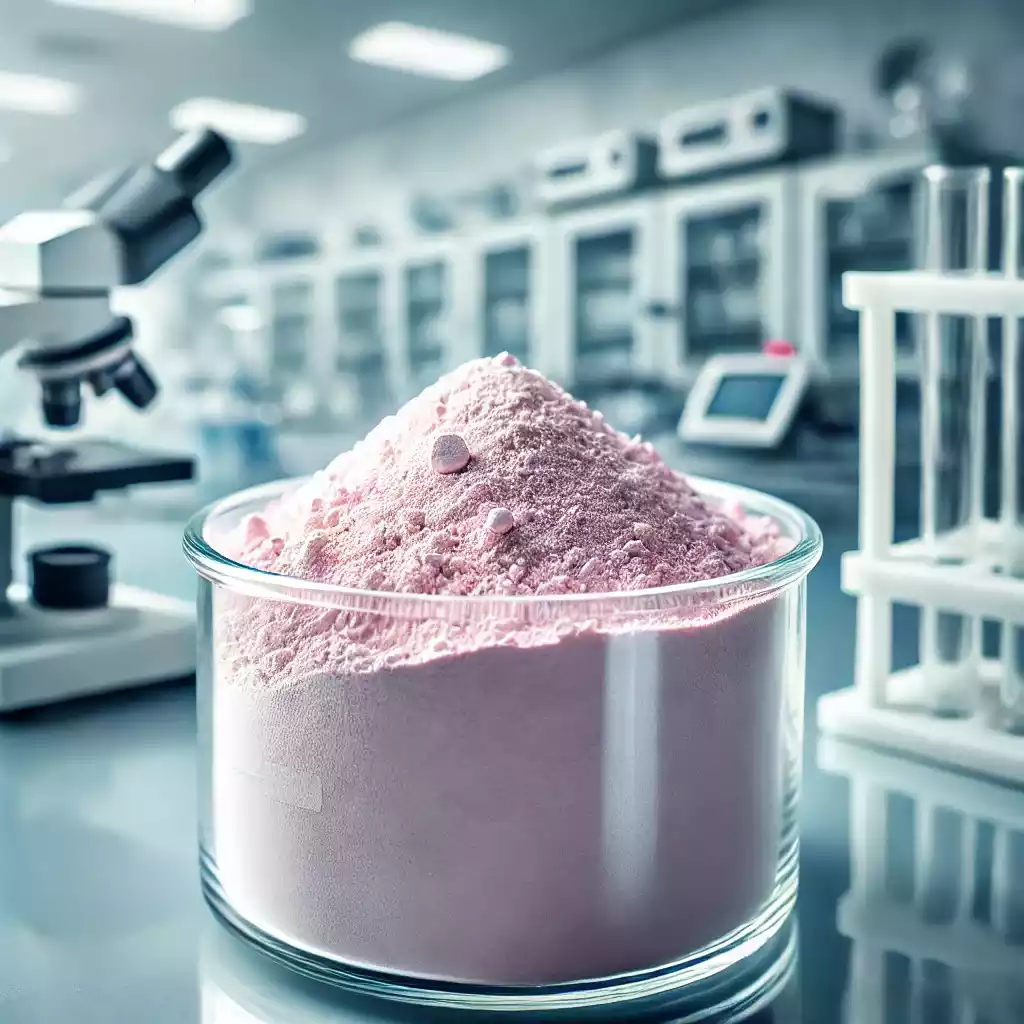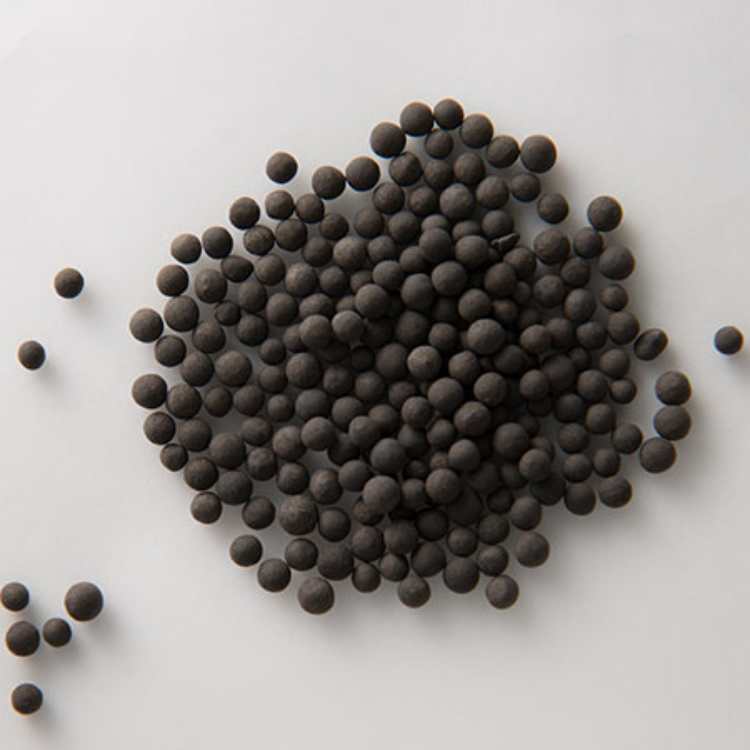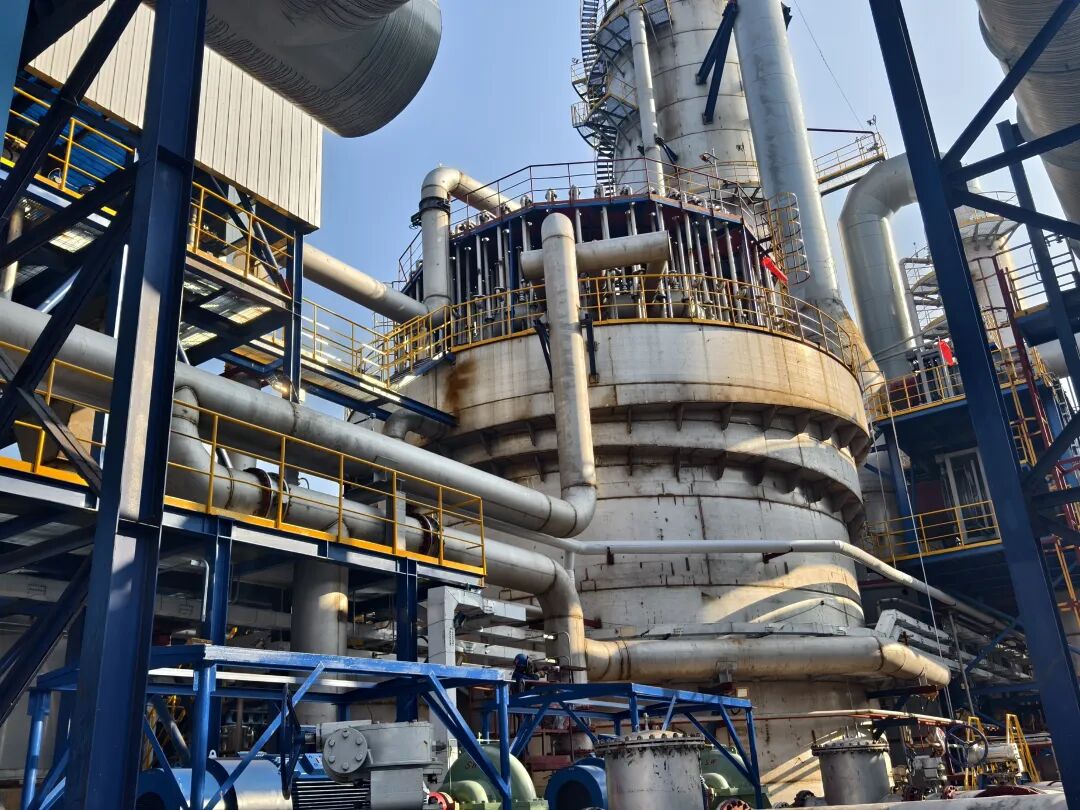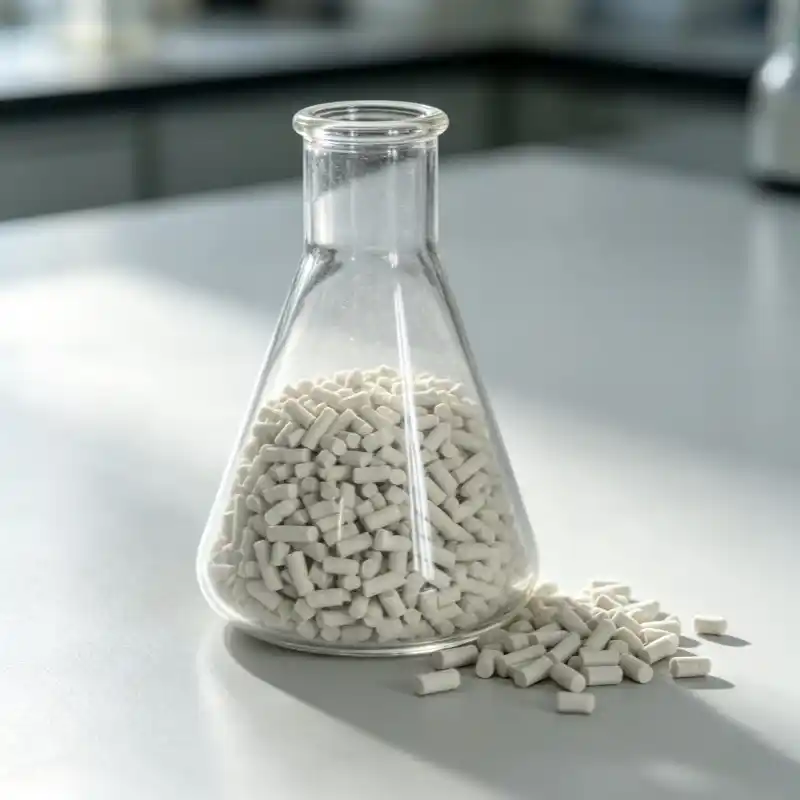

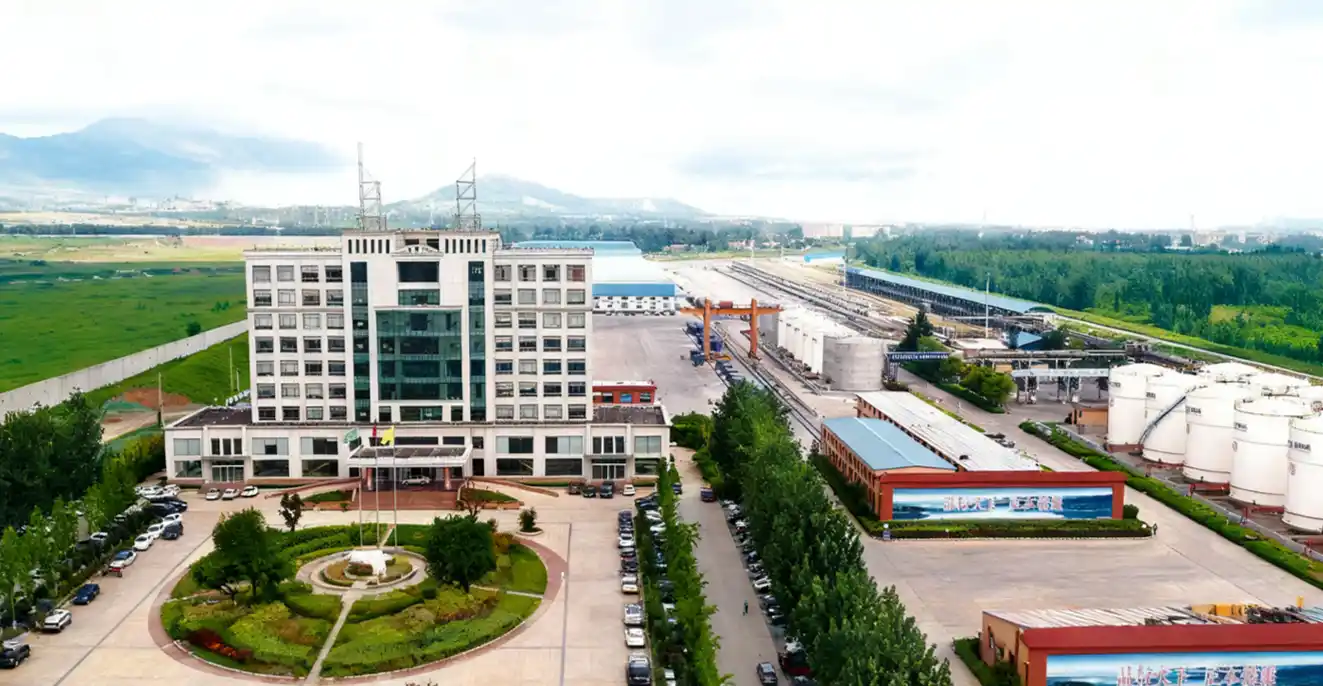
Cobalt Phthalocyanine Desulfurization Catalyst Manufacturer

Hydrogen sulfide (H₂S) is one of the most common contaminants in industrial process gas. If it is not removed efficiently, it can poison downstream catalysts, accelerate equipment corrosion, increase maintenance costs, and affect product quality.
Wet oxidation desulfurization remains one of the most widely used technologies for treating H₂S-containing gas streams. At the heart of this process is the catalyst. A stable cobalt phthalocyanine desulfurization catalyst helps improve sulfur conversion, reduce catalyst consumption, and keep the desulfurization system running reliably over long production cycles.
As a professional cobalt phthalocyanine desulfurization catalyst manufacturer, HONREL produces high-performance catalysts for ammonia-based and alkaline wet desulfurization processes used in coke plants, fertilizer production, coal chemical facilities, synthetic gas purification, and other industrial applications.
Table of Contents
What Is a Cobalt Phthalocyanine Desulfurization Catalyst?
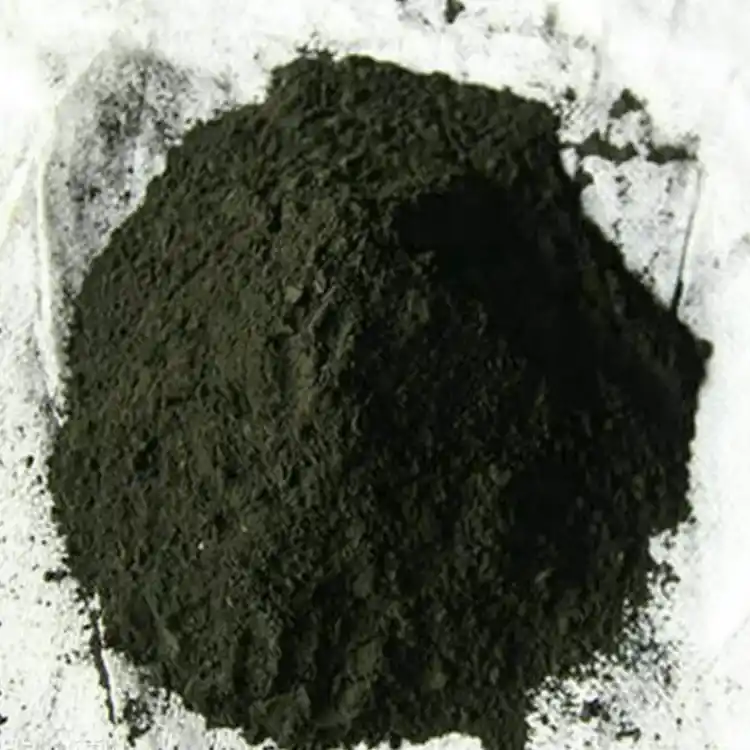
Cobalt phthalocyanine is a catalyst used in wet oxidative desulfurization systems. Rather than simply absorbing hydrogen sulfide, it accelerates the oxidation of sulfide ions into elemental sulfur, allowing sulfur to be removed continuously while the solution is regenerated.
This process has been widely adopted across the gas treatment industry because it combines stable catalytic performance with relatively low operating costs.
Compared with conventional chemical absorbents, cobalt phthalocyanine catalysts offer several practical advantages:
- High catalytic activity
- Low catalyst consumption
- Continuous regeneration
- Easy sulfur recovery
- Stable long-term operation
- Reduced operating costs
For plants operating around the clock, these benefits directly translate into fewer shutdowns and lower maintenance requirements.
Why Is Cobalt Phthalocyanine Widely Used?
Wet oxidation technology has been used in industrial desulfurization for decades, and cobalt phthalocyanine remains one of the preferred catalyst systems because it performs well under continuous operating conditions.
Plant operators choose this catalyst because it can:
- Accelerate the oxidation of sulfide ions into elemental sulfur.
- Promote larger sulfur particles that are easier to separate.
- Maintain stable catalytic activity in ammonia and alkaline solutions.
- Reduce catalyst consumption during long production cycles.
- Help minimise sulfur deposition inside absorbers and regeneration towers.
- Improve overall desulfurization efficiency while keeping operating costs under control.
These characteristics make it suitable for both new installations and upgrades of existing wet desulfurization units.
Typical Process Applications
HONREL cobalt phthalocyanine desulfurization catalyst is suitable for a wide range of industrial gas purification processes, including:
- Coke oven gas desulfurization
- Semi-water gas purification
- Synthetic ammonia plants
- Coal chemical production
- Syngas purification
- Industrial fuel gas treatment
- Chemical process gas cleaning
- Hydrogen sulfide removal before downstream catalytic processes
Whether the objective is protecting expensive downstream catalysts or meeting environmental discharge requirements, catalyst stability is critical for reliable operation.
Common Challenges in Wet Desulfurization Systems
Even well-designed desulfurization units can encounter operational issues over time.
Sulfur Plugging
Fine sulfur particles accumulate inside equipment, increasing pressure drop and reducing system efficiency.
High Catalyst Consumption
Low-activity catalysts require frequent replenishment, increasing operating costs.
Difficult Sulfur Separation
Small sulfur particles remain suspended in the solution, making filtration and recovery less efficient.
Unstable Catalyst Performance
Inconsistent catalyst quality can lead to fluctuating desulfurization efficiency and frequent process adjustments.
When selecting a cobalt phthalocyanine desulfurization catalyst, catalytic activity is only part of the evaluation. Plant operators also pay close attention to batch consistency, sulfur particle separation, catalyst consumption, and long-term operating stability because these factors directly affect maintenance frequency and overall production costs.
How HONREL Helps Improve Wet Desulfurization Performance
HONREL manufactures cobalt phthalocyanine desulfurization catalysts with stable quality for continuous industrial operation.
High Catalytic Efficiency
The catalyst provides strong catalytic activity while maintaining relatively low dosage requirements, helping reduce overall catalyst consumption.
Excellent Chemical Stability
The product remains stable below 95°C and dissolves well in both ammonia solution and alkaline solution. It does not decompose under acidic or alkaline operating conditions, making solution preparation simple and reliable.
Larger Sulfur Particles
Large sulfur particles are easier to separate from the circulating solution, helping lower suspended sulfur concentration and improve sulfur recovery efficiency.
Lower Operating Costs
High activity combined with low consumption allows plants to reduce catalyst replacement frequency while maintaining stable desulfurization performance.
Cleaner Operation
The catalyst helps suppress sulfur deposition inside towers and pipelines, reducing the risk of sulfur plugging and lowering operating resistance.
Safe for Industrial Equipment
The product is non-toxic, non-corrosive, and compatible with industrial wet desulfurization systems.
Technical Specifications
| Property | Specification |
|---|---|
| Appearance | Blue-grey powder |
| Particle Size | ≤850 μm |
| Density | ≤0.80 g/cm³ |
| Catalytic Activity | Up to ≥0.040 min⁻¹ |
| Cobalt Content | Up to ≥3.0 wt% |
| Dichloroporphyrin Cobalt Sulfonate | Up to ≥70 wt% |
| Operating Stability | Stable below 95°C |
Multiple product grades are available to meet different process requirements. Detailed specifications and grade options are available on the product page linked above.
Recommended Operating Conditions
HONREL catalyst is suitable for both coke oven gas desulfurization and semi-water gas purification.
Typical operating conditions include:
- Solution pH: 8–9
- Absorption temperature: 25–35°C
- Regeneration temperature: 35–45°C
- Regeneration efficiency: ≥80%
- Low suspended sulfur concentration
- Stable liquid-to-gas ratio for continuous operation
Actual operating parameters should be adjusted according to plant design and process requirements.
Why Choose HONREL?
Choosing a catalyst manufacturer is about more than purchasing a product. Consistent quality and reliable performance have a direct impact on plant operation.
HONREL focuses on supplying industrial desulfurization catalysts with stable catalytic activity, consistent batch quality, and dependable performance under continuous operating conditions. Multiple quality grades are available to match different process requirements, helping customers optimise catalyst consumption while maintaining efficient sulfur removal.
In addition to cobalt phthalocyanine catalysts, HONREL offers a broader portfolio of solutions for gas purification, chemical processing, and other catalysts industrial product. Visit our product centre to explore all available products.
Conclusion
A high-quality cobalt phthalocyanine desulfurization catalyst helps maintain stable H₂S removal, improve sulfur recovery, reduce catalyst consumption, and minimise maintenance caused by sulfur deposition.
If your plant is looking for a dependable cobalt phthalocyanine desulfurization catalyst manufacturer, HONREL provides proven products for wet oxidation desulfurization systems used across the chemical, fertilizer, coal chemical, and gas processing industries.
To discuss your gas composition, operating conditions, catalyst grade requirements, or wet desulfurization process, contact us.