
White Fused Alumina for Investment Casting Shell Manufacturers

If you manufacture ceramic shells for investment casting, selecting white fused alumina is not simply a matter of comparing Al₂O₃ content or a nominal mesh number. The material must match its position in the shell system, whether it will be used as refractory flour or stucco, and the approved particle-size distribution must remain consistent in regular deliveries.
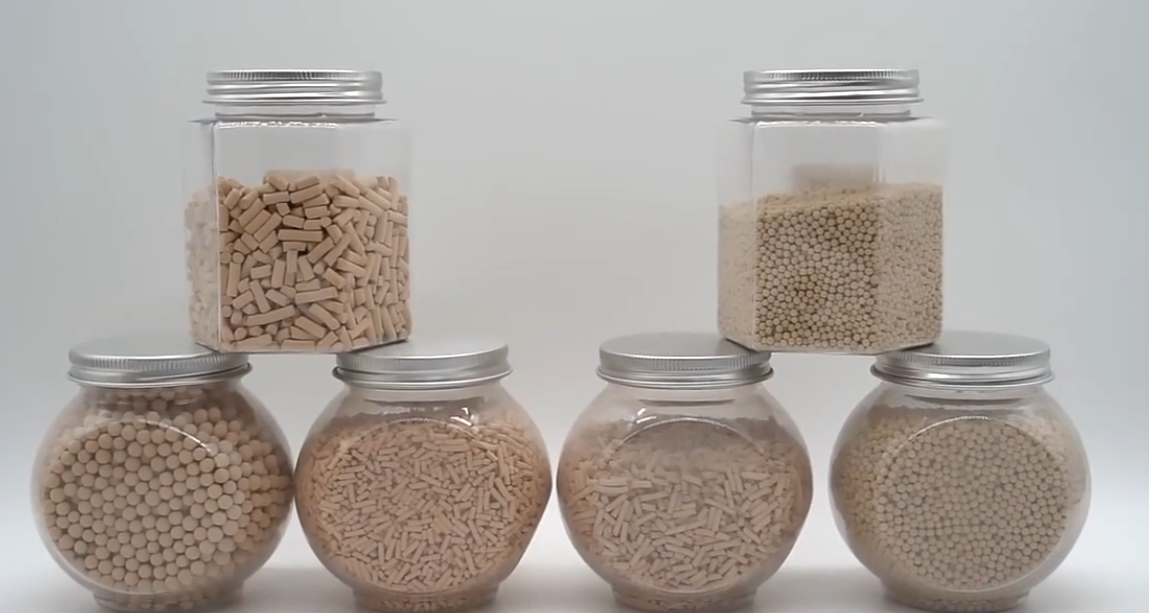
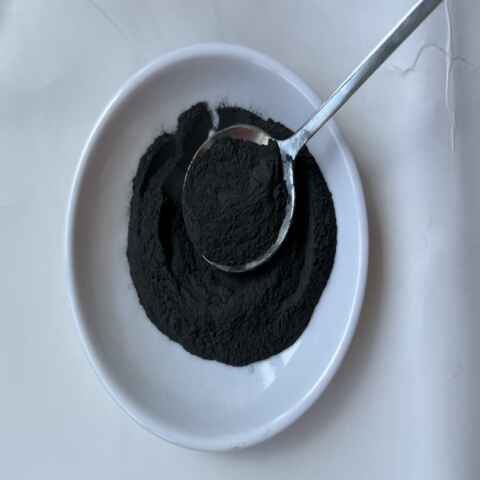
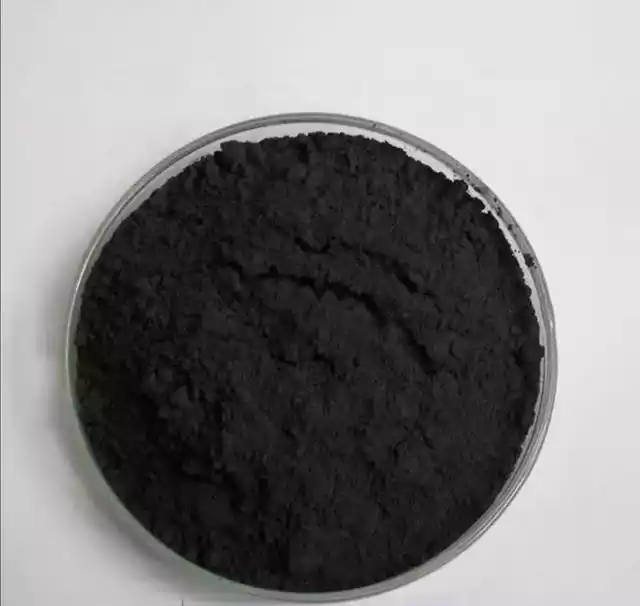
HONREL white fused alumina is available in fine powder and aggregate grades for industrial refractory applications, with customized grading, samples and bulk packaging available for qualification programs.

Table of Contents
Match the WFA Grade to Flour or Stucco
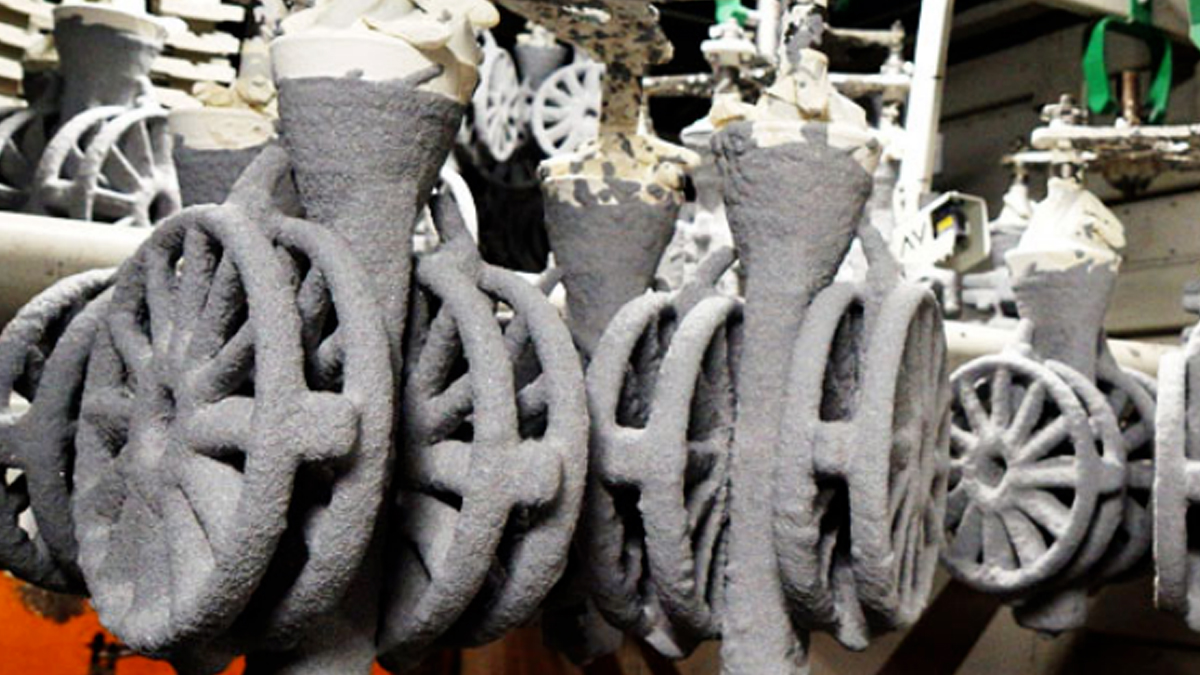
Refractory flour enters the slurry. Stucco is the dry grain applied to the wet layer. Because they perform different jobs, a shell manufacturer should not send a request for “white fused alumina mesh” without identifying the intended use.
Flour selection is normally controlled by the existing slurry specification. The buyer should provide the required sieve or laser particle-size limits, rather than only a general mesh designation. Changes in the fine fraction can affect slurry behavior, drainage and coating weight even when two products carry the same nominal grade.
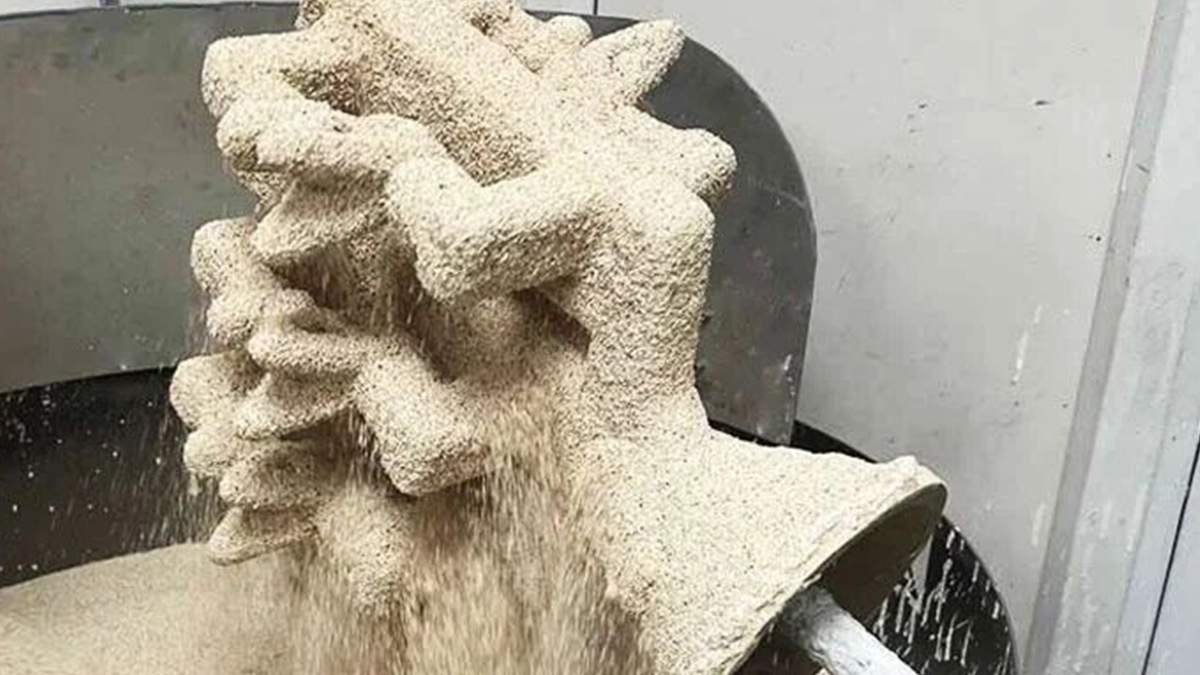
Stucco requires a separate distribution. Here, the purchasing specification should define the upper and lower sieve limits, acceptable fines and whether the material will be applied by rainfall sander or fluidized bed. Excess dust can transfer into the slurry, while oversize particles can reduce coating uniformity on detailed patterns.
The Investment Casting Institute describes ceramic shell building as repeated slurry dipping, stucco application and drying. An EICF industry presentation lists 200 to 350 mesh flour and 16 to 60 mesh stucco as common examples. These figures show the difference between the two material forms; they are not universal recommendations for every alloy, shell layer or foundry process.

HONREL White Fused Alumina Supply Range
HONREL can match an enquiry against its standard refractory range or review a requested grading for regular supply. The following information helps buyers identify the relevant starting point.
| Supply item | Available range or support | What the buyer should confirm |
|---|---|---|
| Refractory aggregate and powder | 0-1 mm, 1-3 mm, 3-5 mm, 5-10 mm, 100 mesh and 325 mesh | Target layer, sieve limits and annual demand |
| Fine grades for precision casting | 500-3500 mesh; other sizes can be prepared to requirement | Test method and full particle-size distribution |
| Low-sodium, high-purity series | Al₂O₃ 99.6%-99.99%; Na₂O 0.01%-0.20% | Required chemical limits and whether low sodium is essential |
| Packaging | 25 kg bags and 1,000 kg jumbo bags; other export packing options are available | Bag type, pallet requirements and destination port |
| Qualification support | Samples, batch inspection and test reports | Sample quantity, approval tests and acceptance limits |
The low-sodium range is a selected high-purity white corundum series, not the specification of every HONREL WFA grade. The final quotation and sample should therefore reference the exact chemical and particle-size limits required by the shell manufacturer.
Check Batch Consistency Before Approving a Source
A laboratory sample can pass while later shipments create more variation if the purchase specification only lists chemistry and nominal mesh. A second-source approval should lock four items to the commercial grade: particle-size distribution, chemical limits, moisture and packaging condition, and lot identification on the COA.
For flour, compare the candidate sample with the current material in the existing slurry. Check mixing response, viscosity trend, drain behavior, coating pickup and settling during the normal working period. For stucco, check flow through the application equipment, dust generation, coverage and the amount of loose grain after drying. The foundry decides the acceptance window; HONREL supplies against the agreed product specification.
White fused alumina should not be treated as an automatic one-for-one replacement for zircon, fused silica or mullite. Refractory type affects more than purchasing cost. Shell-layer position, alloy contact, thermal expansion, firing practice, permeability and casting finish all matter. When qualifying WFA as an alternative, keep the existing shell process unchanged during the first comparison so the material difference can be evaluated clearly. For related grade options, see refractory-grade white fused alumina aggregate and fine powder.
Send HONREL a Complete RFQ
A useful RFQ allows the supplier to identify the correct grade before a sample is prepared. Include:
- use as slurry flour or stucco, and the shell layer involved;
- current TDS, COA or purchasing specification;
- particle-size distribution and test method;
- Al₂O₃, Na₂O, Fe₂O₃ and SiO₂ limits;
- sample quantity, order quantity and annual demand;
- packaging, pallet and delivery-port requirements.
Looking for a source of white fused alumina for investment casting shells? Send HONREL your current TDS, COA or purchasing specification, together with the required particle size and estimated order quantity. Our team can review the grade requirements and discuss sample evaluation and regular supply options through the HONREL contact page.