
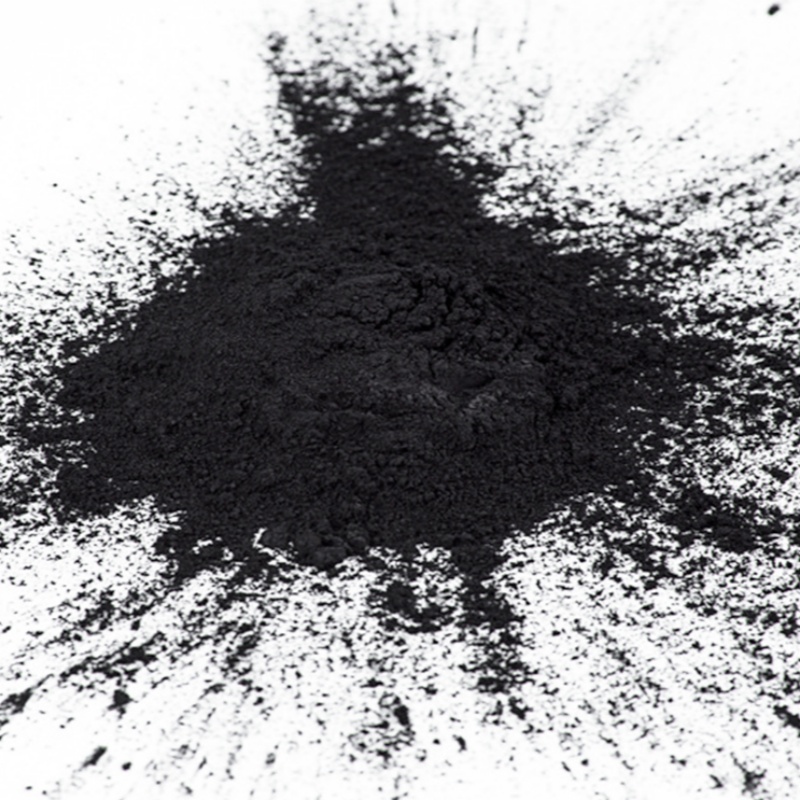
Alto consumo de catalizador PDS en la desulfuración húmeda: causas y selección del catalizador.

El elevado consumo de PDS no es solo un problema de coste químico. En la desulfuración del gas de coquería, suele aparecer junto con una eliminación inestable de H₂S, una regeneración débil, una espuma de azufre fina, un alto contenido de azufre en suspensión o una caída de presión creciente en la torre.
En primer lugar, deben comprobarse las condiciones de funcionamiento. Pero si el circuito de desulfuración húmeda funciona dentro de su rango normal y la concentración de PDS se mantiene alta, conviene examinar más detenidamente el catalizador.
La actividad catalítica, el contenido de componentes activos y la consistencia del producto pueden influir en la cantidad de material nuevo necesario para mantener la unidad estable.
Tabla de contenido
Cuando el alto consumo de PDS es un problema de proceso
Antes de cambiar el catalizador, compruebe si ha variado el contenido de azufre.
Un mayor flujo de gas o una mayor concentración de H₂S en la entrada implican una mayor cantidad de azufre que ingresa a la unidad. Por lo tanto, la cantidad de catalizador requerida debe considerarse en función de la carga real de H₂S, en lugar de los kilogramos añadidos por día.
La regeneración es otra causa común.
Una aireación baja o inestable puede provocar una regeneración insuficiente de la solución circulante. El exceso de aire puede generar diversos problemas, como una flotación deficiente del azufre y una oxidación indeseada.
El licor también debe mantenerse dentro del rango operativo adecuado. HONREL especifica pH 8–9eficiencia de regeneración ≥80%azufre en suspensión ≤1,5 g/L y sales secundarias ≤250 g/L para las condiciones del proceso PDS-HY enumeradas.
Si estos valores ya están fuera de lo previsto, simplemente cambiar el PDS puede no solucionar el problema.
¿Cuándo se debe revisar el catalizador PDS?
La situación es diferente cuando el proceso se mantiene razonablemente estable, pero la demanda de catalizador nuevo sigue aumentando.
Aquí es donde la calidad del catalizador cobra importancia.
Dos productos vendidos como “catalizador PDS” no necesariamente proporcionan el mismo aporte catalítico.
HONREL PDS-HY está disponible en tres grados:
| Especificación | Superior | Primera clase | Calificado |
|---|---|---|---|
| Actividad catalítica | ≥0,040 min⁻¹ | ≥0,030 min⁻¹ | ≥0,020 min⁻¹ |
| Contenido de cobalto | ≥3,0% | ≥2,70% | ≥2,50% |
| Componente activo | ≥70,0% | ≥65,0% | ≥60,0% |
| sustancia insoluble | ≤5,0% | ≤8,0% | ≤10,0% |
Estas son diferencias significativas.
Si un material tiene menor actividad catalítica o un componente menos activo, compararlo con otro producto únicamente por la dosis o el precio de compra ofrece una visión incompleta.
Para las plantas que intentan reducir la cantidad de PDS (sistema de dosificación de productos), comience por especificar el material que se está dosificando actualmente.
No juzgues el PDS solo por su concentración.
Un resultado de laboratorio que muestre la concentración de PDS esperada no siempre significa que la solución circulante tenga el rendimiento catalítico esperado.
La nota importa.
También influyen la contaminación de la solución, la carga de HS⁻ y el estado del líquido circulante.
Esto cobra especial relevancia cuando una planta cambia de proveedor de PDS y, como consecuencia, experimenta una mayor reposición diaria, una salida de H₂S inestable o una flotación de azufre deficiente.
Compare el material antiguo y el nuevo mediante:
actividad catalítica → componente activo → contenido de cobalto → materia insoluble
no simplemente:
kg de PDS añadido
Para la búsqueda de repuestos, HONREL puede comparar una especificación PDS existente con sus grados PDS-HY disponibles.
La espuma de azufre puede revelar un problema con el catalizador.
Una buena eliminación de H₂S es solo una parte del trabajo.
El azufre que se forma durante la oxidación húmeda debe producir partículas que puedan separarse del licor circulante.
Una formación deficiente de azufre puede provocar una espuma delgada, un alto arrastre de agua y una mayor cantidad de azufre en suspensión que regresa al sistema. Esto aumenta la carga sobre la recuperación de azufre y puede contribuir a la formación de depósitos en otras partes del circuito.
HONREL PDS-HY está diseñado para favorecer la formación de partículas de azufre relativamente grandes, lo que facilita su separación y reduce la cantidad de azufre en suspensión.
Esto es importante en las plantas de gas de hornos de coque, donde una flotación deficiente del azufre puede manifestarse finalmente como una mayor resistencia de la torre y una limpieza más frecuente.
Si un catalizador de reemplazo mantiene la eliminación de H₂S pero empeora el manejo del azufre, no ha resuelto el problema de la planta.
La alta resistencia de la torre podría indicar un problema con el licor de desulfuración.
La presión diferencial ascendente en la torre de control suele tratarse como un problema de equipo.
En la desulfuración húmeda PDS, la química puede ser parte de la causa.
Las altas concentraciones de azufre en suspensión pueden depositarse en las secciones de empaquetamiento y eliminación de niebla. Las altas concentraciones de sales secundarias también pueden contribuir a la formación de depósitos y a la inestabilidad del licor.
HONREL PDS-HY está formulado para reducir el azufre en suspensión e inhibir la obstrucción por azufre, lo que ayuda a mantener más limpio el sistema de circulación.
Por lo tanto, al evaluar un catalizador PDS de reemplazo, hay que tener en cuenta otros factores además de la eliminación de H₂S.
Composición del catalizador, flotación de azufre, azufre en suspensión y ΔP de la torre Todos ellos son indicadores útiles para las plantas.
Haga coincidir el grado PDS con la carga de azufre real.
No todas las plantas necesitan comprar catalizadores con las mismas especificaciones.
Una unidad estable con un consumo moderado de azufre y una planta de gas de coquería que lidia con niveles altos o fluctuantes de H₂S son condiciones de servicio diferentes.
HONREL ofrece tres grados de PDS-HY con diferentes actividades catalíticas y contenidos de componentes activos. Esto permite seleccionar el material según las necesidades específicas de desulfuración, en lugar de considerar todas las compras de PDS como si fueran el mismo producto.
Para los usos de gas de horno de coque y gas de agua semiespecífico enumerados, HONREL especifica una concentración de PDS-HY de ≥30 ppm.
El producto es soluble en agua amoniacal y soluciones alcalinas, y puede utilizarse tanto en sistemas de desulfuración húmeda basados en amoníaco como en sistemas basados en carbonato de sodio.
Las especificaciones completas están disponibles en el HONREL PDS-HY Catalizador de desulfuración de cobalto con ftalocianina Página del producto.
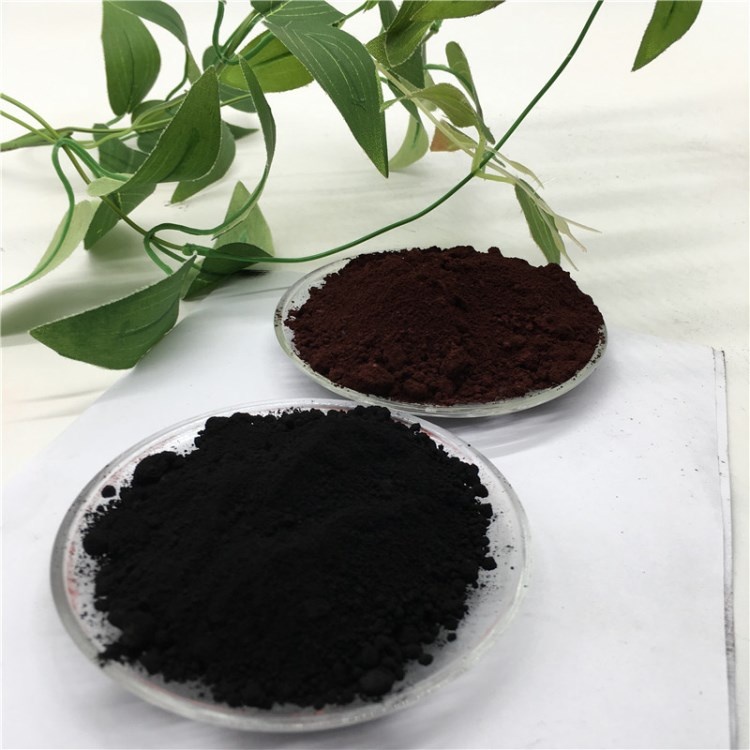
Sustitución de un catalizador PDS por HONREL PDS-HY
Si su nivel actual de existencias de PDS es alto, HONREL no necesita saber únicamente la cantidad que desea comprar.
Los datos operativos existentes pueden ayudar a determinar si el problema está relacionado con la carga de azufre, las condiciones del proceso o el catalizador que se está utilizando actualmente.
La información más útil es:
| Datos de la planta existente | Por qué es importante |
|---|---|
| Especificación PDS actual | Permite la comparación de productos |
| Maquillaje diario PDS | Muestra el consumo real |
| flujo de gas | Define la carga de tratamiento |
| Entrada/salida de H₂S | Muestra el rendimiento de eliminación y el uso de azufre. |
| pH de la solución | Comprueba el estado del licor |
| Aire de regeneración | Comprueba las condiciones de oxidación |
| Azufre en suspensión | Muestra la separación del azufre |
| Sales secundarias | Muestra el estado del licor |
Si está disponible, envíe también la hoja de datos del catalizador actual.
HONREL puede comparar las especificaciones existentes con los grados PDS-HY disponibles y recomendar una especificación de suministro adecuada para una evaluación posterior de la planta.
Suministro de PDS-HY para la desulfuración de gas de hornos de coque
Suministros HONREL catalizador de desulfuración de cobalto y ftalocianina para gas de coquería, gas semiacuoso, gas de síntesis y otros sistemas industriales de oxidación húmeda.
PDS-HY proporciona una actividad catalítica específica hasta ≥0,040 min⁻¹, contenido de cobalto hasta ≥3,0% y contenido de componentes activos hasta ≥70,0%, dependiendo del grado.
Para las plantas que presentan un alto consumo de catalizador, una eliminación inestable de H₂S o una separación deficiente del azufre, el primer paso es comparar la especificación PDS actual con las condiciones de funcionamiento.
Envíe a HONREL la ficha técnica de su catalizador actual y los datos de funcionamiento recientes para que realicen una evaluación de reemplazo.
También puedes explorar otros productos de HONREL catalizadores industriales o bien, consulte la gama completa de productos para encontrar materias primas químicas relacionadas.
Para conocer los precios actuales de PDS-HY, el suministro de reemplazo o los requisitos de compra al por mayor, comuníquese con HONREL e indique la cantidad y el destino necesarios.
Preguntas frecuentes
¿Puede el cambio del catalizador PDS reducir el consumo de reactivos de reposición?
Esto puede ocurrir cuando el alto consumo está relacionado con la actividad del catalizador, el contenido del componente activo o la consistencia del producto. Si la causa principal es una regeneración deficiente, un pH incorrecto o una carga excesiva de azufre, también es necesario corregir esas condiciones del proceso.
¿Qué debo comparar al reemplazar mi catalizador PDS actual?
Compare la actividad catalítica, el contenido de cobalto, el contenido de componente activo y la materia insoluble. El consumo actual de PDS y el rendimiento de H₂S también son útiles al evaluar una alternativa.
¿Qué grado de HONREL PDS-HY tiene la mayor actividad catalítica?
El grado Superior se especifica en ≥0,040 min⁻¹, con contenido de cobalto ≥3,0% y componente activo ≥70,0%.
¿Es HONREL PDS-HY adecuado para el gas de hornos de coque?
Sí. La desulfuración del gas de los hornos de coque es uno de los usos especificados, con condiciones de operación que incluyen la concentración de PDS, el pH, la absorción, la regeneración y la relación líquido-gas.
¿Puede HONREL sustituir el catalizador PDS que utilizamos actualmente?
HONREL puede comparar las especificaciones y los requisitos operativos de su producto actual con sus grados PDS-HY. Envíe la ficha técnica actual, los datos de consumo y las condiciones básicas de desulfuración para su revisión.
¿Qué debo enviar al solicitar el PDS-HY?
Para una compra sencilla, indique el grado, la cantidad y el destino requeridos. Si el objetivo es reemplazar un sistema de suministro de energía (PDS) existente debido a un alto consumo, envíe también las especificaciones actuales del catalizador, la reposición diaria y los datos de H₂S de entrada y salida.