
Cómo cambiar de proveedores de corindón de cromo sin modificar su fórmula de producción.

¿Cromo bajo, medio o alto?
En el caso del corindón de cromo, la respuesta no es simplemente "cuanto más Cr₂O₃, mejor".
El óxido de cromo modifica la tenacidad de la alúmina fundida. A medida que aumenta el nivel de cromo, el grano generalmente se vuelve más resistente y menos propenso a la fractura. Sin embargo, esto no significa que todas las muelas abrasivas, abrasivos recubiertos o formulaciones refractarias requieran el grado más alto de cromo.
HONREL suministra tres grados de corindón de cromo PA de 0,20% a 2,20% Cr₂O₃, con tamaños abrasivos estándar de F16 a F320.
Tabla de contenido
¿Por qué se está degradando demasiado rápido su corindón de cromo?
El corindón de cromo se produce añadiendo óxido de cromo durante la fusión de la alúmina.
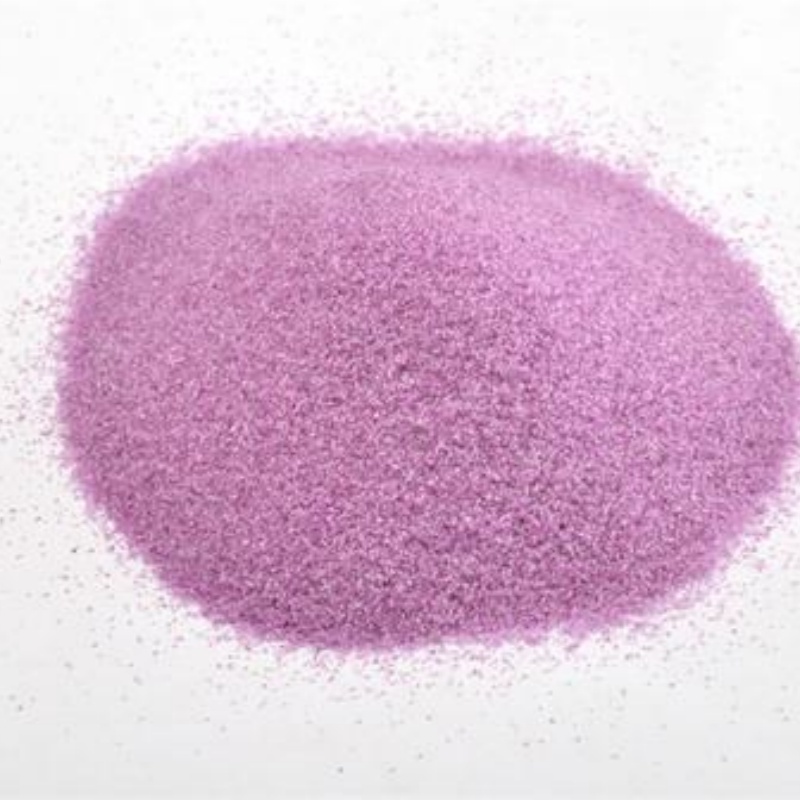
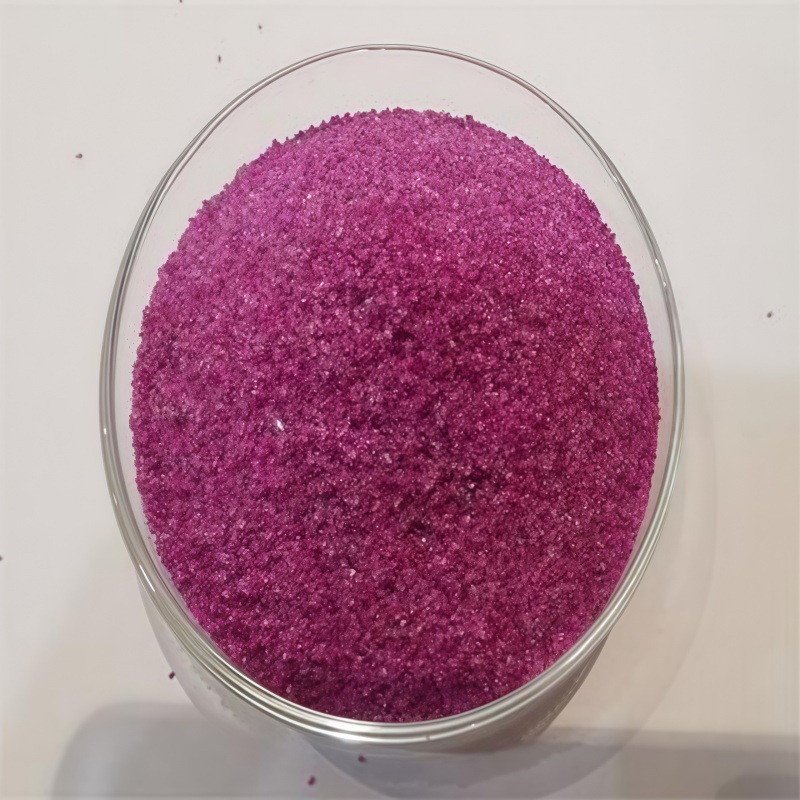
Esto crea el familiar color rosa a rojo intenso, pero el color es solo el cambio visible.
El cambio más importante es la dureza del grano.
La alúmina blanca fundida es dura y relativamente quebradiza. Se fractura con mayor facilidad y expone nuevos filos cortantes. La adición de cromo modifica este equilibrio, dando como resultado un grano más resistente sin perder su elevada dureza.
Eso es importante cuando el abrasivo se desgasta más rápido de lo que requiere la operación de rectificado.
En términos prácticos:
Más friable → el grano se fractura antes
Más resistente → el grano se mantiene unido por más tiempo.
Ninguna opción es automáticamente mejor que la otra. El equilibrio adecuado depende de la pieza de trabajo, el aglutinante, la presión de rectificado y el acabado deseado.
Grados de corindón de cromo HONREL
HONREL divide sus granos PA estándar según su contenido de Cr₂O₃:
| Calificación | Cr₂O₃ | Al₂O₃ | Na₂O | Fe₂O₃ | Tamaño |
|---|---|---|---|---|---|
| PA con bajo contenido de cromo | 0,20–0,45% | ≥98% | ≤0,35% | ≤0,3% | F16–F320 |
| PA de cromo medio | 0,45–1,00% | ≥98% | ≤0,35% | ≤0,3% | F16–F320 |
| PA con alto contenido de cromo | 1,00–2,20% | ≥98% | ≤0,35% | ≤0,3% | F16–F320 |
Los tres grados estándar tienen una refractariedad indicada arriba. 1850°C y densidad aparente de al menos 3,8 g/cm³.
La composición química cambia. El grado de abrasión no.
Esto permite al fabricante de abrasivos ajustar el contenido de cromo sin modificar automáticamente el granulometría F nominal utilizada en un producto existente.
Bajo contenido en cromo: Cuando no se desea demasiada dureza
El PA bajo en cromo contiene 0,20–0,45% Cr₂O₃.
Este es el más cercano de los tres grados al comportamiento de alúmina fundida blanca.
Tiene sentido cuando se quiere prescindir de un grano de alúmina blanca altamente friable, pero sin que se produzca un cambio importante en su comportamiento abrasivo.
Eso puede ser importante durante la sustitución de materias primas.
Una formulación de muela que actualmente utiliza alúmina fundida blanca no debería pasar automáticamente al grado más alto de Cr₂O₃. Un cambio significativo en la tenacidad del grano también puede modificar la forma en que la muela corta, se desgasta y expone el abrasivo nuevo.
Por lo tanto, para una primera prueba distinta a la de WFA, un material con bajo contenido de cromo podría ser el punto de comparación más lógico.
Cromo medio: El punto medio
El PA de cromo medio contiene 0,45–1,00% Cr₂O₃.
Se sitúa entre el grado rosa con menor contenido de cromo y el material con alto contenido de cromo, que es más resistente.
Esta gama resulta útil cuando el comprador necesita una mayor retención del grano, pero no tiene motivos para pasar directamente al nivel más alto de cromo.
Esto es especialmente relevante para las formulaciones abrasivas ya establecidas.
Si su PA actual funciona bien, igualar su rango de Cr₂O₃ suele ser más sensato que cambiar de grado porque otro material tenga un número de cromo más alto en el COA.
Alto contenido de cromo: Añadir más Cr₂O₃ es una opción de proceso.
HONREL PA de alto cromo contiene 1,00–2,20% Cr₂O₃.
Esta es la gama más resistente de los sistemas de megafonía estándar de HONREL.
Puede considerarse su uso en aquellos casos en los que la durabilidad del grano es más importante y la abrasión prematura es un problema conocido.
Pero un alto contenido de cromo debería resolver un requisito del proceso.
Si el problema real reside en el grano incorrecto, el aglutinante de la muela, la presión de rectificado o la concentración del abrasivo, aumentar únicamente el Cr₂O₃ no solucionará el problema.
Esa distinción es importante a la hora de solucionar problemas relacionados con la corta vida útil de las ruedas.
Antes de cambiar el grado de cromo, compruebe si el grano se está desgastando demasiado rápido. Si no es así, el problema podría estar en otra parte del sistema abrasivo.
No utilice el color como especificación de grado.
Rosa. Rosa. Rubí. Rojo intenso.
Estos nombres son comunes en el mercado de la alúmina fundida, pero no cumplen con las especificaciones de compra requeridas.
Diferentes proveedores utilizan Alúmina rosa fundida, corindón rosa, corindón de cromo y alúmina rubí fundida. diferentemente.
Un color más oscuro normalmente indica una mayor cantidad de cromo, pero el nombre del color no indica al comprador la cantidad exacta de Cr₂O₃ que contiene el material.
El Cr₂O₃ no es el único número en el certificado de análisis.
Aquí es donde muchas comparaciones del corindón de cromo se detienen demasiado pronto.
Dos productos pueden pertenecer al mismo rango de cromo y aun así no ser equivalentes.
Consulta la química completa.
Para PA estándar HONREL:
Al₂O₃ ≥98%
Na₂O ≤0,35%
Fe₂O₃ ≤0,3%
El sodio es importante porque el Na₂O es una impureza en la alúmina fundida. El contenido de hierro también puede ser relevante cuando los límites de contaminación o la consistencia del producto son importantes.
La especificación del grano es igualmente importante.
Un abrasivo F46 no puede calificarse únicamente por su contenido de Cr₂O₃. La distribución del tamaño de sus partículas sigue determinando cómo se comporta ese grano en el producto abrasivo.
La densidad aparente debe leerse junto con el tamaño del grano.
HONREL enumera la densidad aparente en 1,4–1,9 g/cm³ para su gama de corindón de cromo F16–F320.
Se trata de un rango, no de un único objetivo para cada tipo de grano.
Los granos abrasivos gruesos y finos se compactan de forma diferente. Al comparar datos de densidad aparente entre dos proveedores, compruebe primero si ambos valores se refieren al mismo grano y base de prueba.
De lo contrario, las cifras pueden parecer diferentes incluso cuando las materias primas no son directamente comparables.
Esto es particularmente importante cuando la densidad aparente afecta la formulación de la herramienta abrasiva, el comportamiento de llenado o los cálculos de lotes.
Encuentra a tu asistente personal actual con HONREL
Suministros HONREL Corindón de cromo en grados de PA con bajo, medio y alto contenido de cromo para aplicaciones abrasivas y refractarias.
Si ya utiliza alúmina fundida rosa, corindón de cromo u otro grado de PA, envíe el material existente. COA o TDS + tamaño de grano + cantidad.
HONREL puede comparar la composición química actual con el grado disponible, en lugar de seleccionar el material basándose únicamente en el color o el nombre del producto.
También puede consultar la oferta más amplia de HONREL. Materiales abrasivos y refractarios rango o Contactar con HONREL con una especificación de material existente.
El punto de partida más sencillo es el material que ya sabes que funciona.
Preguntas frecuentes
¿Cuál es la diferencia entre el corindón con bajo, medio y alto contenido de cromo?
La principal diferencia es el contenido de Cr₂O₃. HONREL especifica 0,20–0,45% para bajo contenido de cromo, 0,45–1,00% para cromo medio y 1,00–2,20% para alto contenido de cromo.
¿Un mayor contenido de Cr₂O₃ significa que el corindón de cromo es de mejor calidad?
No. Un mayor contenido de cromo generalmente desplaza el grano hacia una mayor tenacidad, pero el grado correcto depende del requisito abrasivo o refractario.
¿Puedo sustituir la alúmina blanca fundida por corindón de cromo?
Posiblemente, sobre todo cuando se requiere mayor tenacidad del grano. Pero considérelo como un cambio de material y realice una prueba de producción en lugar de asumir que el mismo grano se comportará de forma idéntica.
¿La alúmina rosa fundida es lo mismo que el corindón de cromo?
Se utilizan comúnmente como nombres para la alúmina fundida modificada con cromo. La nomenclatura comercial varía, por lo que el contenido de Cr₂O₃ y la especificación real son más fiables que los nombres de los colores.
¿Qué debo enviar a HONREL para obtener una calificación de reemplazo?
Envíe el certificado de análisis (COA) o la ficha técnica (TDS) vigente, el tipo de grano F y la cantidad requerida. Si existe algún problema específico, como la degradación prematura del grano o la corta vida útil del abrasivo, inclúyalo también.