
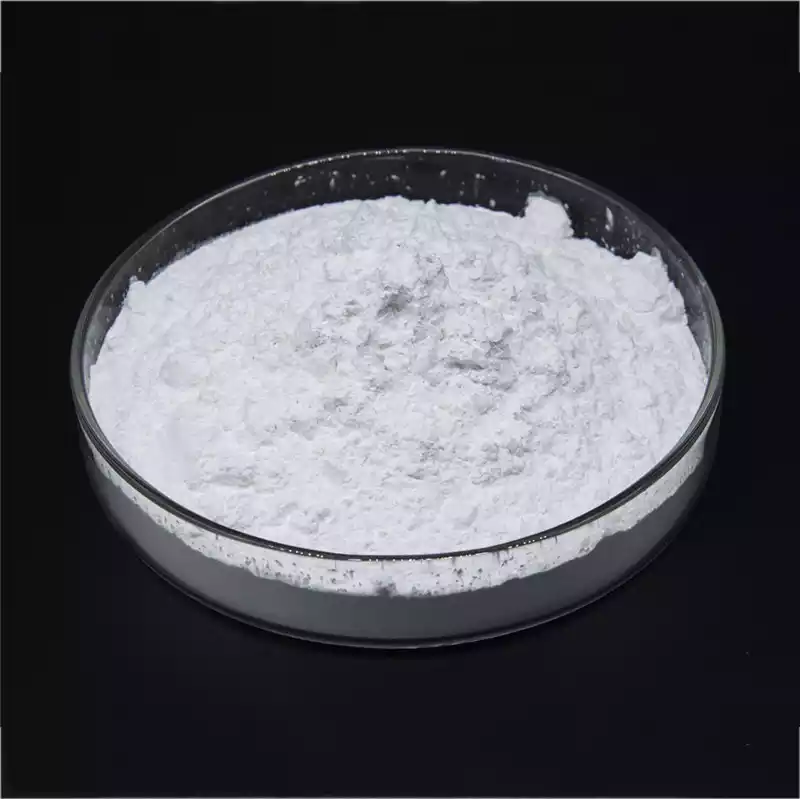
How to Select White Fused Alumina Aggregate and Fine Powder for Refractories

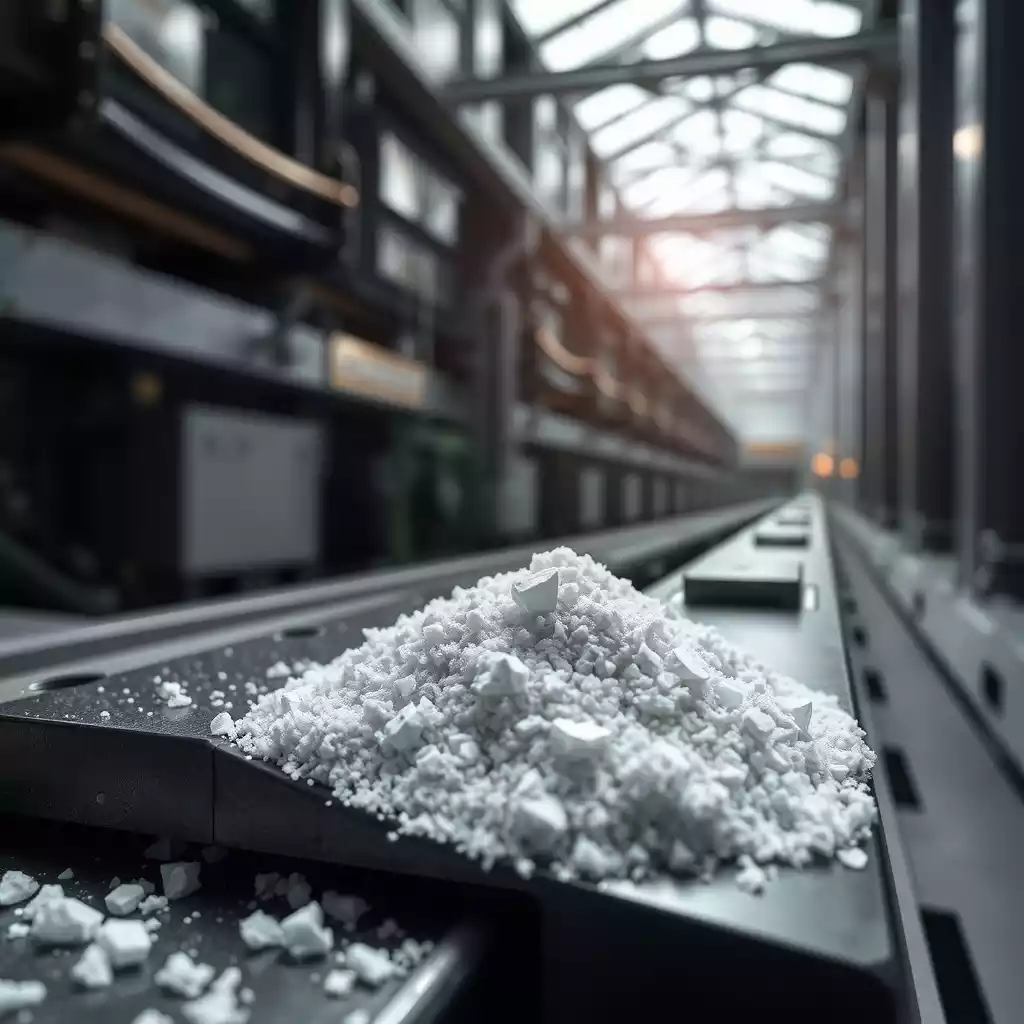
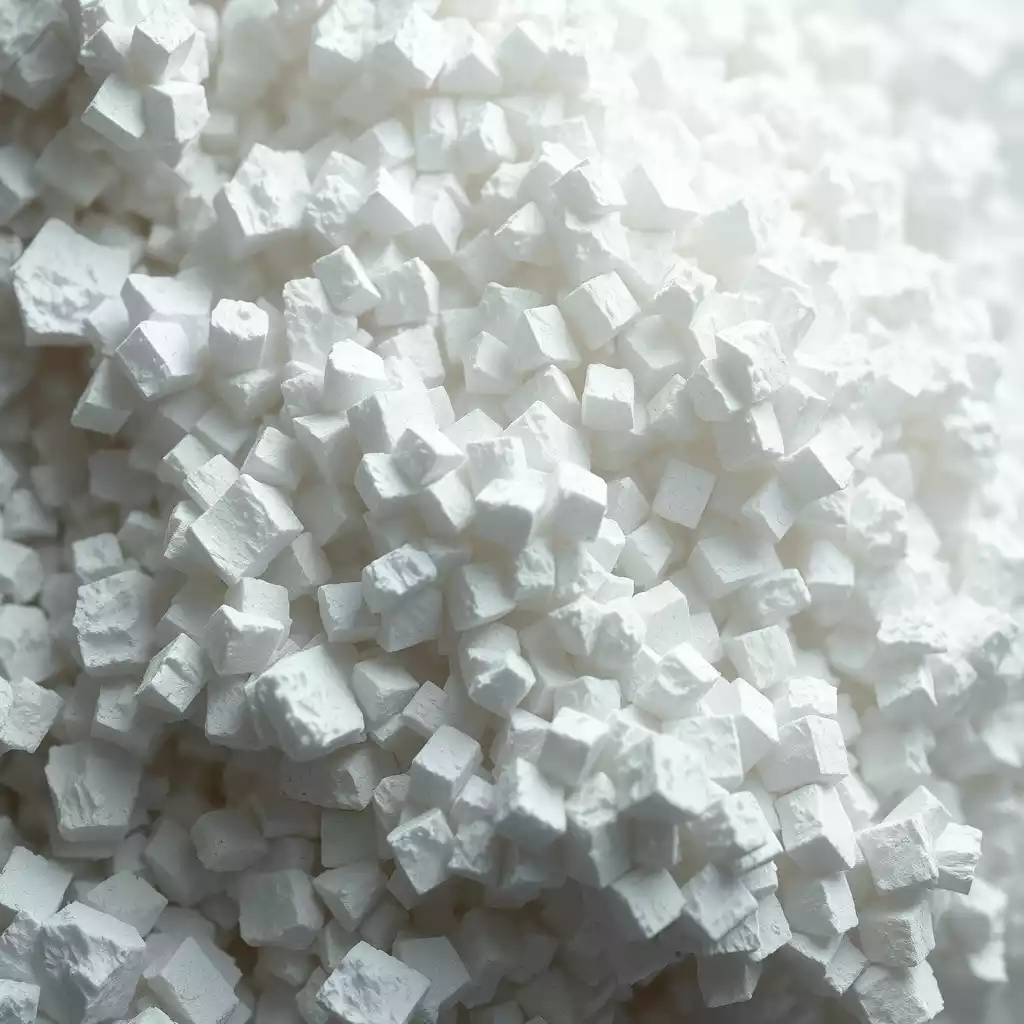
Select refractory-grade white fused alumina by its full grading and chemistry—not the size label alone. Aggregate builds the skeleton; fine powder fills the matrix. Both must match the forming method, binder system and approved formulation.
Two lots marked 1–3 mm or 325 mesh can behave differently. A shift in fines, grain shape or bulk density may increase water demand, cause segregation or reduce green density.
Match Each Fraction to Its Position in the Mix
| WFA fraction | Main role | Check before ordering |
|---|---|---|
| 3–5 mm / 5–10 mm | Coarse structural aggregate | Maximum size, oversize and undersize |
| 1–3 mm | Intermediate packing fraction | Distribution within the size band |
| 0–1 mm | Fine aggregate connecting the skeleton and matrix | Fine tail and sieve distribution |
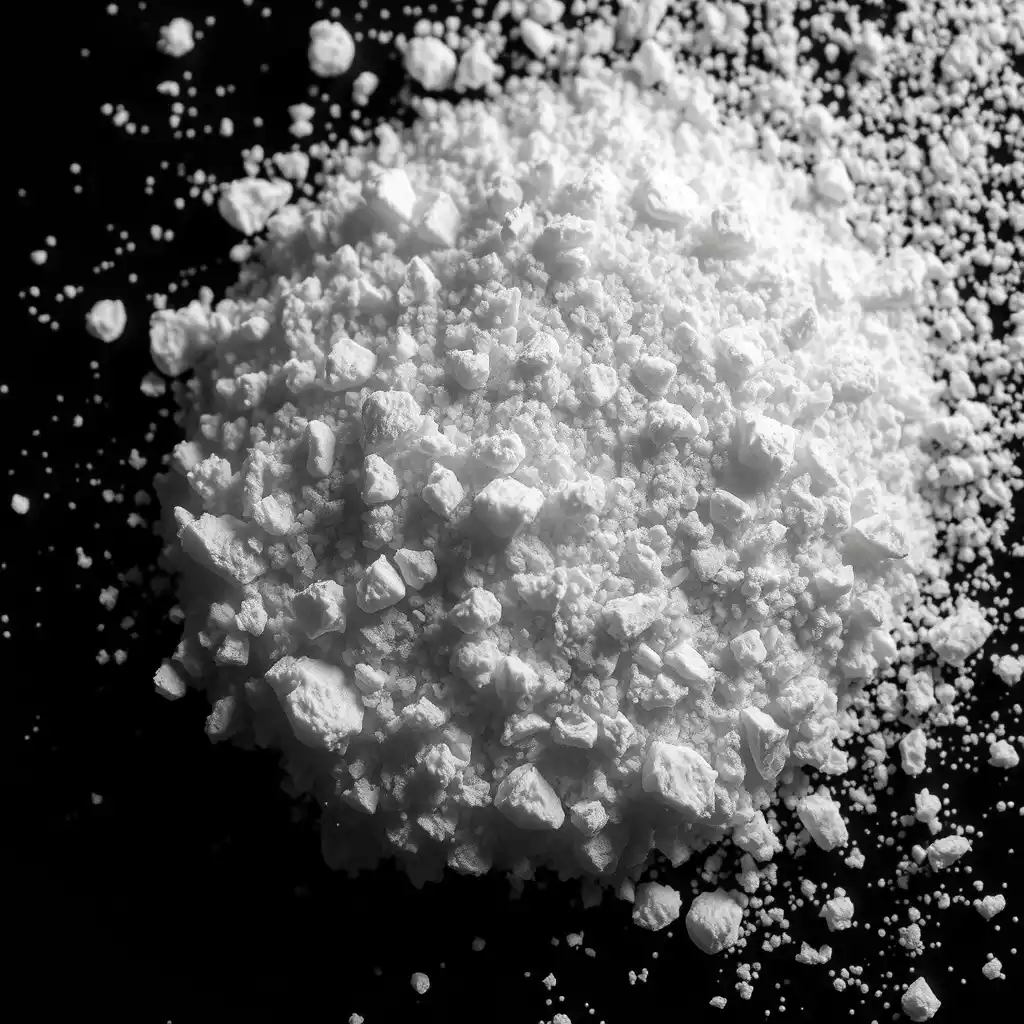
| 100 / 325 mesh | Alumina-rich matrix powder | Sieve aperture, residue and chemistry |
| Micron-controlled powder | Fine-end matrix adjustment | D10, D50, D90, top cut and test method |
HONREL поставляет white fused alumina aggregate and fine powder in standard refractory sizes. Confirm the sieve limits for each fraction rather than assuming the nominal range guarantees the required grading.
A 0–1 mm fraction is not interchangeable with 325-mesh powder. Ground WFA also cannot replace reactive alumina one for one: similar Al₂O₃ content does not mean the same dispersion or sintering behaviour.
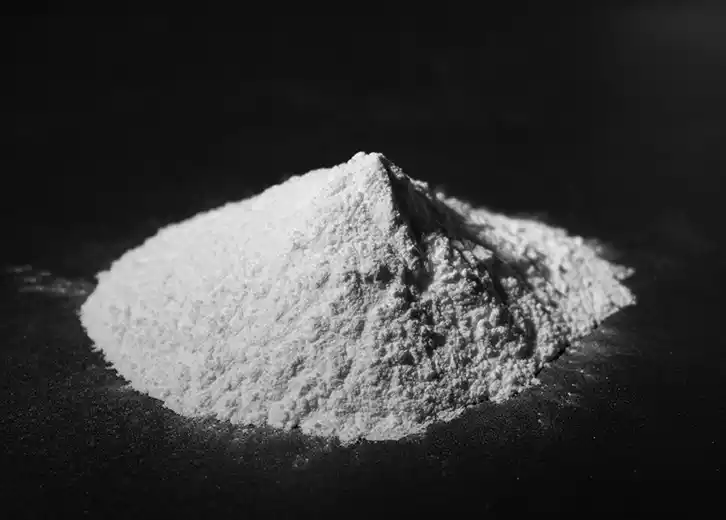
Castables Need Flow; Pressed Bricks Need Green Density
For refractory castables, evaluate wet-out time, water demand, flow retention and segregation. Compare replacement material at the same water addition and mixing conditions.
For pressed corundum bricks, check die filling, green density, lamination and fired dimensions at the normal forming pressure.
More fine powder is not automatically better. Excess fines can raise water demand and drying shrinkage. Avoid fixing poor flow with extra water before checking the grading and dispersant response; the added water may increase porosity after drying.
Put Measurable Limits on the Purchase Order
| Спецификация | Необходимая информация |
|---|---|
| Aggregate grading | Named sieves, oversize and undersize limits |
| Fine powder | Sieve residue or D10/D50/D90 and top cut |
| Chemistry | Minimum Al₂O₃; maximum Na₂O, SiO₂ and Fe₂O₃ |
| Объемная плотность | Limit for each fraction and agreed test method |
| Moisture and cleanliness | Acceptance limits for moisture and foreign matter |
| Batch documents | COA, lot identification and required test results |
Compare bulk density using the same fraction and method. State the sieve aperture or standard alongside “mesh”; mesh names alone can be ambiguous.
Request chemistry for the actual aggregate or powder grade—not a general specification copied from abrasive grains. Specify low-sodium white fused alumina when the binder or service conditions require tighter Na₂O control.
Validate a Replacement Before Regular Supply
Start with a laboratory batch using the existing binder, additives, mixing sequence and water addition. Compare forming behaviour, density, apparent porosity and the strength or dimensional tests used for product release.
Then run a traceable production trial. Approve the replacement against your current acceptance limits before changing the formula or committing to regular orders.
Request a WFA Grade Match from HONREL
HONREL manufactures and supplies white fused alumina within its abrasive and refractory materials range.
For a specification-based quotation, send your current COA or material standard, required size fractions, refractory product and forming method, chemistry limits, and trial or regular quantity.
Contact HONREL to compare available aggregate and powder grades with your production requirements.