
Las 7 principales aplicaciones de los catalizadores para la síntesis de amoníaco

Los catalizadores de síntesis de amoníaco desempeñan un papel fundamental en la conversión de nitrógeno e hidrógeno purificados en amoníaco mediante el proceso Haber-Bosch. Si bien el catalizador cumple la misma función básica en todas las plantas, su entorno operativo puede variar considerablemente según la materia prima, la capacidad de producción, el diseño del circuito de síntesis y la aplicación posterior.
Los productores modernos de amoníaco requieren catalizadores que proporcionen alta actividad, un funcionamiento estable a largo plazo y un rendimiento fiable en las condiciones de temperatura y presión seleccionadas.
Este artículo examina siete industrias importantes y escenarios de producción en los que se utilizan catalizadores para la síntesis de amoníaco.
Tabla de contenido
¿Qué es un catalizador para la síntesis de amoníaco?
Un catalizador de síntesis de amoníaco acelera la reacción reversible entre el nitrógeno y el hidrógeno:
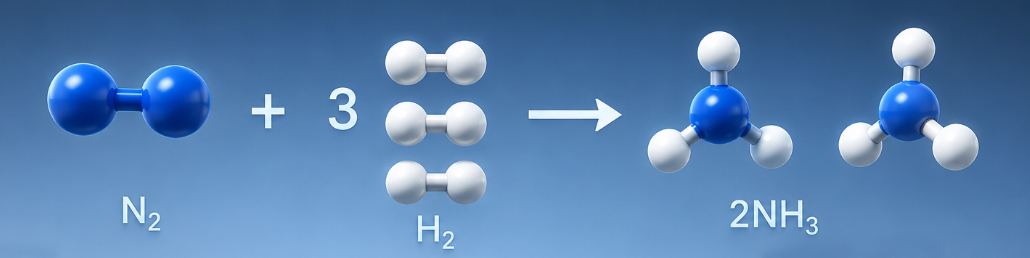
Sin un catalizador, la velocidad de reacción sería demasiado lenta para una producción industrial rentable. Dentro del convertidor de amoníaco, el catalizador ayuda a que el nitrógeno y el hidrógeno reaccionen de manera eficiente a temperaturas y presiones elevadas.
El rendimiento de los catalizadores industriales puede verse afectado por varios factores, entre ellos:
- Temperatura y presión de funcionamiento
- Relación hidrógeno-nitrógeno
- Pureza del gas de síntesis
- Tamaño de partícula del catalizador
- Diseño del convertidor y del lecho catalítico
- Resistencia al calor y a los venenos catalíticos.
- Procedimientos de reducción y puesta en marcha del catalizador
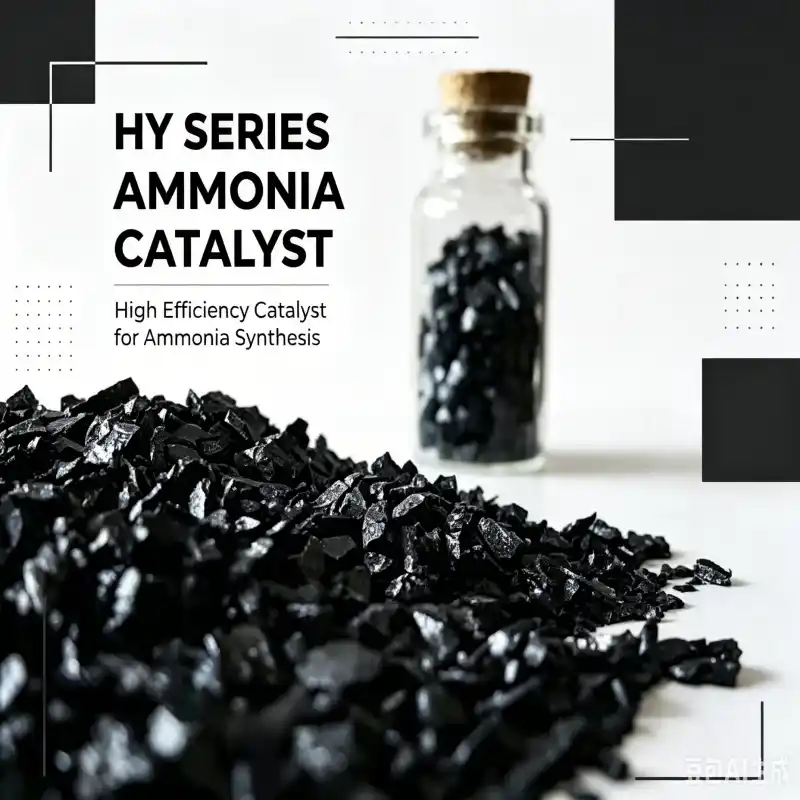
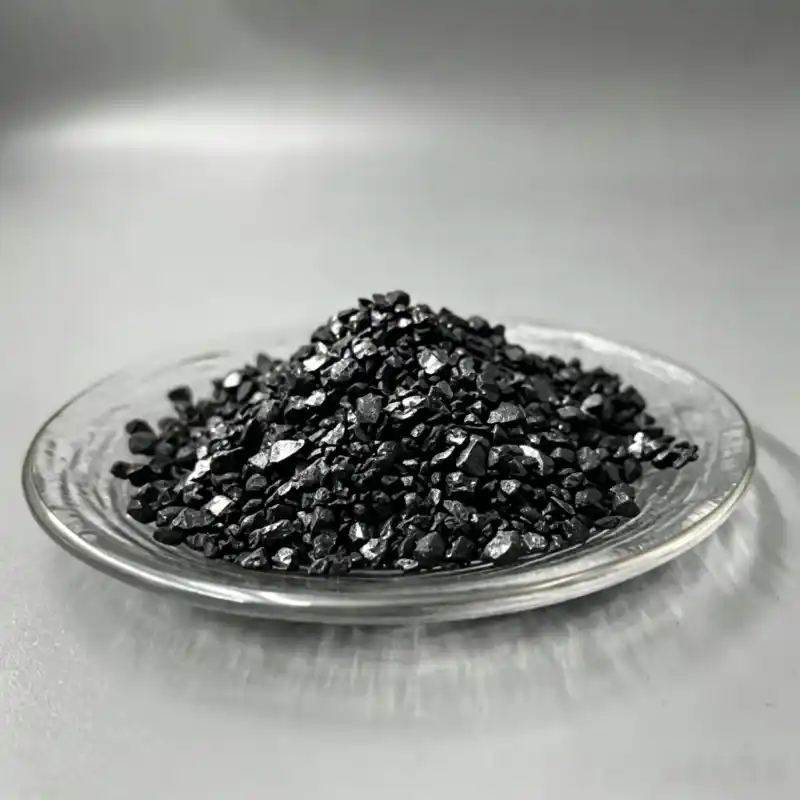
Honrel suministra un sistema dual activo de hierro-cobalto catalizador de síntesis de amoníaco Diseñado para una alta actividad catalítica en condiciones de baja temperatura y baja presión. Disponible en grados oxidados y prerreducidos para satisfacer diferentes requisitos de puesta en marcha y operación de la planta.
1. Producción de fertilizantes nitrogenados
La producción de fertilizantes nitrogenados es la principal aplicación industrial de los catalizadores de síntesis de amoníaco. El amoníaco es la fuente esencial de nitrógeno que se utiliza para fabricar productos como:
- Urea
- nitrato de amonio
- sulfato de amonio
- Fertilizantes de fosfato de amonio
- Fertilizantes compuestos NPK
En una planta de fertilizantes integrada, el hidrógeno y el nitrógeno se purifican y comprimen antes de entrar en el circuito de síntesis de amoníaco. El catalizador permite la formación de amoníaco dentro del convertidor, tras lo cual este se separa y se envía a las unidades de fertilizantes posteriores.
La actividad estable del catalizador es especialmente importante en esta industria, ya que las plantas de fertilizantes suelen operar de forma continua y a gran escala. Una disminución en la eficiencia de conversión puede aumentar los requerimientos de circulación, el consumo de energía y los costos de producción.
Por lo tanto, para los fabricantes de fertilizantes, la selección del catalizador debe tener en cuenta la estabilidad a largo plazo, la resistencia mecánica, el comportamiento de reducción y la compatibilidad con el convertidor existente.
2. Plantas de amoníaco basadas en gas natural
El gas natural es una de las materias primas más utilizadas en la producción convencional de amoníaco. En estas plantas, el gas natural se desulfuriza y se convierte en gas de síntesis rico en hidrógeno mediante reformado de metano con vapor. El nitrógeno se introduce generalmente en la etapa de reformado secundario.
Una vez eliminados el monóxido de carbono, el dióxido de carbono, el agua y otras impurezas, el hidrógeno y el nitrógeno purificados entran en el circuito de síntesis de amoníaco.
Las plantas que utilizan gas natural suelen beneficiarse de una tecnología de procesos relativamente madura y de condiciones de alimentación consistentes. Sin embargo, el rendimiento del catalizador sigue siendo crucial para:
- Mantenga la concentración de amoníaco requerida en la salida del convertidor.
- Soporta un funcionamiento estable del bucle de síntesis.
- Reducir las cargas de reciclaje innecesarias
- Mejorar la eficiencia de la producción
- Prolongar el período de funcionamiento entre los cambios de catalizador.
Los compuestos de azufre, las impurezas que contienen oxígeno y otros contaminantes deben controlarse cuidadosamente antes de que el gas de síntesis llegue al catalizador. Incluso un catalizador de alto rendimiento depende de una purificación previa eficaz.
3. Producción de amoníaco a partir de carbón
La producción de amoníaco a partir del carbón es importante en regiones con abundantes recursos de carbón y acceso limitado a gas natural a precios competitivos.
En esta ruta de producción, el carbón se gasifica para crear gas de síntesis crudo. El gas luego pasa por varias etapas de purificación y acondicionamiento, que pueden incluir:
- Eliminación de partículas
- Eliminación de azufre
- conversión de gas de agua
- eliminación de dióxido de carbono
- Metanización o purificación final del gas
- Ajuste de la relación hidrógeno-nitrógeno
El gas tratado se comprime y se envía al convertidor de síntesis de amoníaco.
En comparación con la producción a base de gas natural, la gasificación del carbón puede generar un perfil de impurezas más complejo. Por lo tanto, es necesario un proceso eficiente de desulfuración y purificación final del gas para proteger el catalizador de amoníaco.
Los catalizadores utilizados en las plantas de amoníaco a base de carbón deben proporcionar una actividad fiable, estabilidad térmica y resistencia a las variaciones a corto plazo de las condiciones de operación. Una carga adecuada del catalizador y una distribución uniforme del gas también son importantes para lograr un rendimiento constante en todo el lecho catalítico.
4. Producción de amoníaco verde
El amoníaco verde se produce utilizando hidrógeno generado mediante electrólisis del agua alimentada por energía renovable. El nitrógeno se obtiene normalmente de un sistema de separación de aire, y ambos gases se purifican y se introducen en una unidad de síntesis de amoníaco.
A diferencia de las plantas tradicionales, las instalaciones de amoníaco verde pueden recibir electricidad de fuentes variables como la energía eólica y solar. Dependiendo del diseño de la planta, esto puede generar variaciones en la disponibilidad de hidrógeno y en la carga de producción total.
Los catalizadores de síntesis de amoníaco utilizados en estos proyectos pueden necesitar soporte para:
- Funcionamiento a baja temperatura
- Conceptos de síntesis a baja presión
- Tasas de producción flexibles
- Cambios frecuentes de carga
- Estrategias eficientes de puesta en marcha y parada
- Configuraciones de planta más pequeñas o modulares
El catalizador por sí solo no determina si una planta puede operar de forma dinámica. El diseño del convertidor, la gestión térmica, el almacenamiento de hidrógeno y el control del ciclo de síntesis también son fundamentales. Sin embargo, una alta actividad a bajas temperaturas puede brindar a los diseñadores de procesos mayor flexibilidad al desarrollar sistemas de amoníaco ecológicos y energéticamente eficientes.
El amoníaco verde puede utilizarse en la producción de fertilizantes, la fabricación de productos químicos, el almacenamiento de energía y otras aplicaciones emergentes bajas en carbono.
5. Ácido nítrico e industria de explosivos industriales
Los catalizadores para la síntesis de amoníaco facilitan la producción de amoníaco, utilizado como materia prima principal para el ácido nítrico y el nitrato de amonio. Estos materiales son ampliamente consumidos en las industrias minera, de canteras, de la construcción y de explosivos industriales.
En las plantas de ácido nítrico, el amoníaco se oxida para producir ácido nítrico. El ácido nítrico resultante puede reaccionar con amoníaco adicional para fabricar nitrato de amonio. El nitrato de amonio industrial se utiliza para producir productos como:
- Fuelóleo de nitrato de amonio (ANFO)
- explosivos de emulsión
- Explosivos de gel de agua
- Nitrato de amonio de grado minero
- Agentes explosivos para canteras
- Explosivos utilizados en la construcción de infraestructuras
Los fabricantes de explosivos y de productos mineros dependen de un suministro estable de amoníaco, ya que las interrupciones en la producción de amoníaco pueden afectar la producción de ácido nítrico y nitrato de amonio.
El catalizador de síntesis de amoníaco no participa directamente en la producción de ácido nítrico ni de explosivos. Su función es mantener una producción eficiente de amoníaco al inicio de la cadena de producción. La actividad estable del catalizador, la baja caída de presión y su larga vida útil garantizan un suministro fiable de amoníaco para las plantas posteriores.
Esta aplicación es especialmente relevante para las instalaciones químicas integradas que combinan la síntesis de amoníaco, la producción de ácido nítrico y la fabricación de nitrato de amonio en un mismo emplazamiento industrial.
6. Industria de fibras sintéticas y plásticos de ingeniería
El amoníaco es una materia prima importante en la fase inicial de la producción de varios productos químicos utilizados por las industrias de fibras sintéticas, textiles y plásticos de ingeniería.
Las principales rutas químicas derivadas del amoníaco incluyen:
- Producción de caprolactama: La caprolactama es el monómero principal utilizado para fabricar fibras de nailon 6, plásticos de ingeniería e hilos industriales.
- Producción de acrilonitrilo: El amoníaco reacciona con el propileno y el oxígeno para producir acrilonitrilo, que se utiliza en fibras acrílicas, plásticos ABS y caucho de nitrilo.
- Producción de cianuro de hidrógeno: El amoníaco se utiliza en procesos industriales que producen cianuro de hidrógeno, un producto intermedio para materiales acrílicos, resinas y productos químicos especializados.
- Producción de hexametilendiamina: Los procesos químicos relacionados con el amoníaco sustentan la cadena de producción del nylon 6,6 y otros materiales de poliamida.
Los materiales resultantes se utilizan en:
- Componentes automotrices
- Carcasas eléctricas y electrónicas
- textiles industriales
- Alfombras y fibras textiles
- Materiales de embalaje
- Componentes mecánicos
- Productos de caucho de nitrilo
- electrodomésticos
En estas cadenas de producción, el catalizador de síntesis de amoníaco se utiliza en la fase inicial para producir el amoníaco que requieren las unidades químicas posteriores.
7. Amoníaco para productos químicos industriales, metalurgia y electrónica.
No todo el amoníaco se utiliza para fabricar fertilizantes. El amoníaco industrial también sirve como materia prima o gas de proceso en varios sectores ajenos a la fabricación de fertilizantes.
Fabricación de productos químicos
El amoníaco se utiliza para producir ácido nítrico, aminas, nitrilos, refrigerantes, explosivos, polímeros y muchos otros productos químicos intermedios.
Procesamiento metalúrgico
Las atmósferas derivadas del amoníaco pueden utilizarse en tratamientos térmicos, nitruración, sinterización y otros procesos de atmósfera controlada. En estos casos, la producción de amoníaco contribuye al suministro inicial del gas industrial necesario.
Electrónica y aplicaciones de alta pureza
El amoníaco de alta pureza se utiliza en la producción de semiconductores, LED y materiales electrónicos especializados. Estas aplicaciones requieren una purificación adicional después de la síntesis para cumplir con las especificaciones de impurezas necesarias.
El catalizador de síntesis de amoníaco se utiliza durante la producción inicial de amoníaco; por sí solo no determina la pureza final para uso electrónico. La purificación, el almacenamiento y el control de la contaminación posteriores siguen siendo esenciales.
Esta distinción también es importante para el craqueo de amoníaco. Los catalizadores de síntesis de amoníaco producen amoníaco a partir de nitrógeno e hidrógeno, mientras que los catalizadores de craqueo de amoníaco se seleccionan para descomponer el amoníaco nuevamente en hidrógeno y nitrógeno. Al seleccionar un catalizador, no se deben tratar ambos procesos como la misma aplicación.
Cómo seleccionar un catalizador para la síntesis de amoníaco
No basta con comparar los nombres de los productos para elegir el catalizador adecuado. Los compradores deben proporcionar información operativa detallada para que el proveedor pueda evaluar la compatibilidad con la planta.
- Capacidad de la planta
Especifique la producción diaria o anual de amoníaco requerida. - Diseño del convertidor
Indique el tipo de convertidor, la configuración del lecho y el volumen de catalizador disponible. - Condiciones de funcionamiento
Indique la temperatura de entrada, la temperatura máxima de funcionamiento y la presión de síntesis. - Composición del gas de síntesis
Incluya la relación hidrógeno-nitrógeno y las concentraciones esperadas de impurezas residuales. - Información existente sobre catalizadores
Comparta el grado actual del catalizador, el tamaño de partícula, la cantidad de carga y los resultados de operación. - Requisitos de caída de presión
El tamaño de las partículas debe equilibrar la superficie catalítica con los requisitos de flujo de gas y caída de presión. - Estrategia de puesta en marcha
Determinar si un catalizador oxidado o prerreducido es más adecuado para el proyecto. - Ciclo operativo previsto
Analizar la continuidad de la producción, los cronogramas de paradas programadas y la vida útil prevista del catalizador.
Los compradores pueden explorar la gama más amplia de Honrel catalizadores industriales o revise la información completa de la empresa. Cartera de productos de materias primas químicas.
Por qué importa la calidad de Catalyst
El convertidor de amoníaco es una de las secciones más importantes de una planta de amoníaco. La calidad del catalizador puede influir directamente en el rendimiento de la conversión, el tiempo de arranque y la estabilidad operativa a largo plazo.
Un catalizador industrial adecuado debe ofrecer:
- Alta actividad dentro del rango operativo especificado.
- Buena estabilidad térmica
- Resistencia fiable a los venenos catalíticos.
- Tamaño de partícula y densidad aparente consistentes
- Resistencia mecánica adecuada
- Rendimiento estable del lecho catalítico
- Comportamiento de reducción predecible
- Consistencia de calidad entre lotes
La serie HY201 de Honrel utiliza hierro y cobalto como componentes activos duales. La gama de productos incluye grados desarrollados para actividades a baja temperatura y baja presión, requisitos de temperatura de operación más amplios y aplicaciones prerreducidas. La selección final del grado debe confirmarse con los datos reales de la planta.
Conclusión
Los catalizadores para la síntesis de amoníaco se asocian principalmente con la producción de fertilizantes, pero su relevancia industrial se extiende a múltiples rutas de materias primas y modelos de producción. Se utilizan en plantas de amoníaco que utilizan gas natural y carbón, proyectos de amoníaco verde, complejos químicos integrados, unidades de producción modulares e instalaciones que suministran amoníaco a la metalurgia, la electrónica y otras industrias químicas.
En los siete escenarios, el éxito depende de la adecuación del catalizador a la calidad del gas de síntesis, el diseño del convertidor y las condiciones de operación. La purificación previa, la carga correcta, la reducción controlada y el buen funcionamiento de la planta son tan importantes como el propio catalizador.
Honrel produce y suministra materias primas químicas y productos catalizadores industriales para clientes en mercados internacionales. Para hablar sobre grados de catalizadores, tamaños de partículas, requisitos técnicos o disponibilidad de muestras, Contacta con Honrel con la información de su planta y operación.
| artículo | unidad | HA201-2 | HA201-2-H |
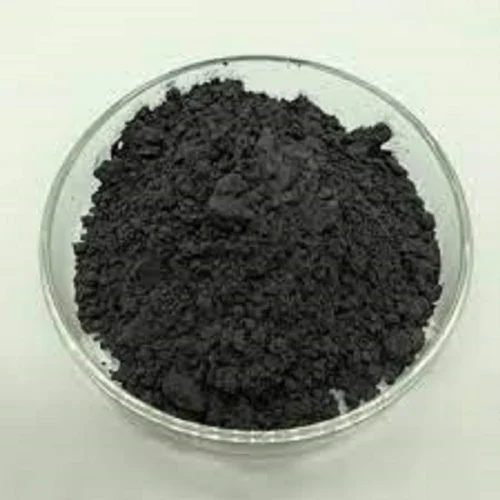
| Apariencia | Partículas sólidas irregulares de color negro, con brillo metálico y propiedades magnéticas. | Gris plateado, con brillo metálico y propiedades magnéticas, partículas sólidas irregulares. | |
| Tamaño | mm | 1.5~3.0、2.2~3.3、3.3~4.7、4.7~6.7、6.7~9.4、9.4~13.0 | |
| Densidad aparente | kg/l | 2.9~3.2 | 2.2~2.5 |
| Densidad de partículas | kg/l | 3.8~4.2 | 2.8~3.2 |
| Densidad del esqueleto | kg/l | 7.2~7.6 | 7.2~7.6 |
| Porosidad | % | ~45 | ~45 |
| Factor de forma | φs | Catalizador de partículas grandes: 0,40~0,50 Catalizador de partículas pequeñas: 0,50~0,60 | |
Preguntas frecuentes
¿Cuál es la principal aplicación de un catalizador para la síntesis de amoníaco?
Su principal aplicación es catalizar la reacción entre nitrógeno e hidrógeno durante la producción industrial de amoníaco. La mayor parte del amoníaco se utiliza en fertilizantes nitrogenados, mientras que el resto se destina a las industrias química, metalúrgica, energética y electrónica.
¿Qué catalizador se utiliza habitualmente para la síntesis de amoníaco?
Los catalizadores a base de hierro promovidos se utilizan ampliamente en plantas industriales de amoníaco. Algunas formulaciones incorporan componentes activos o promotores adicionales para mejorar la actividad a bajas temperaturas, la estabilidad térmica o la resistencia a las impurezas.
¿Se puede utilizar el mismo catalizador en centrales que funcionan con gas natural y con carbón?
Potencialmente, pero la idoneidad debe evaluarse en función de la pureza del gas de síntesis de cada planta, el diseño del convertidor, la presión, la temperatura y el perfil de impurezas previsto. La ruta de la materia prima por sí sola no es suficiente para seleccionar un catalizador.
¿Se pueden utilizar catalizadores de síntesis de amoníaco en plantas de amoníaco ecológicas?
Sí. El amoníaco verde aún requiere nitrógeno e hidrógeno para reaccionar en un ciclo de síntesis de amoníaco. La selección del catalizador debe tener en cuenta la presión, la temperatura, la escala de producción y la variación de carga prevista de la planta.
¿Un catalizador para la síntesis de amoníaco también descompone el amoníaco?
La síntesis y el craqueo de amoníaco son procesos inversos, pero los catalizadores industriales se seleccionan y diseñan para sus funciones operativas específicas. Se debe utilizar un catalizador específico para el craqueo de amoníaco cuando el objetivo es descomponer el amoníaco en hidrógeno y nitrógeno.