
Pink Fused Alumina for Coated Abrasive Flap Disc Manufacturers

For coated abrasive flap disc manufacturers, abrasive grain selection affects more than the cutting performance of the finished product. Grain size distribution, material consistency, grain retention, and compatibility with the bonding system all influence production quality.
Pink Fused Alumina (PA), also known as Chromium Corundum or Pink Corundum, is an aluminum oxide abrasive containing chromium oxide. It is used in coated abrasive manufacturing, particularly in applications such as wood sanding and grinding non-ferrous metals.
For manufacturers producing flap discs, selecting the right abrasive grain requires careful consideration of the intended application, coating process, and product specifications.
HONREL supplies Pink Fused Alumina (Chromium Corundum) for industrial abrasive manufacturers. We support buyers evaluating abrasive grades, chemical composition, particle size requirements, and bulk material sourcing.
If you are looking for an abrasive grain supplier for flap disc production, understanding these material requirements is a practical starting point.
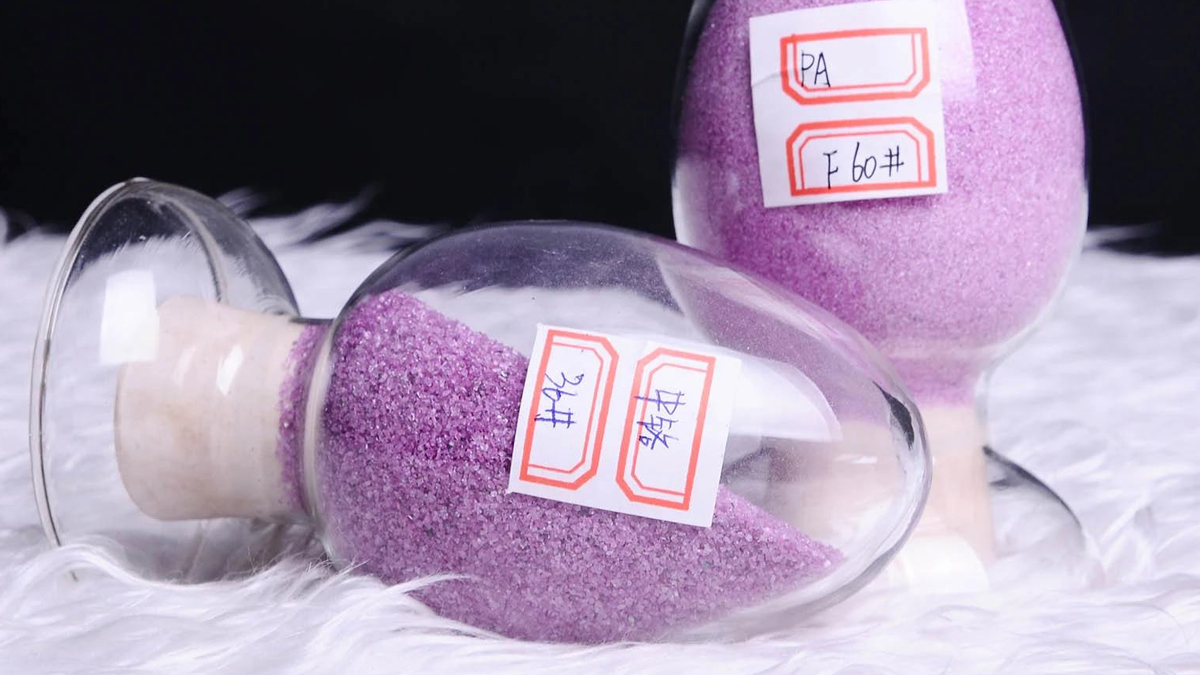
Table of Contents
Why Pink Fused Alumina Is Used in Coated Abrasive Manufacturing
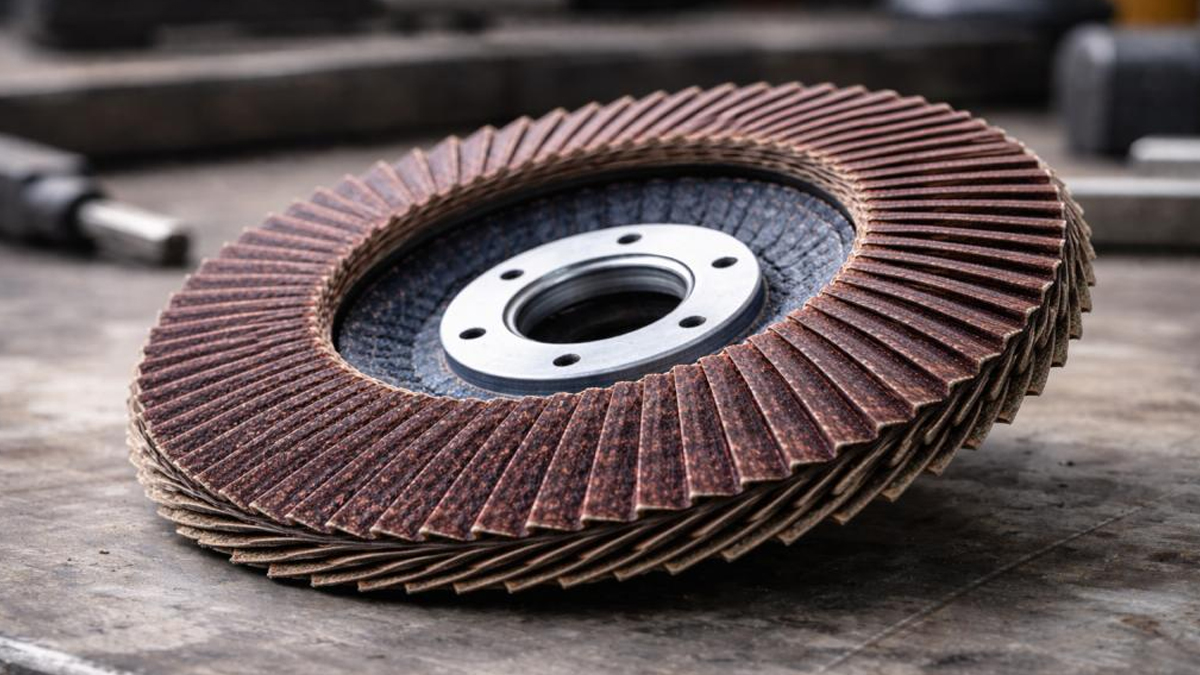
Coated abrasives consist of abrasive grains bonded to a flexible backing material, such as paper or cloth. These materials are converted into different abrasive products, including sanding belts, abrasive sheets, and flap discs.
Pink Fused Alumina is one of the abrasive materials used in this industry. Compared with white fused alumina, chromium corundum offers higher toughness and is less prone to grain breakage under certain grinding conditions.
This characteristic makes it worth evaluating for coated abrasive applications where manufacturers want to control grain breakdown and surface finishing behavior.
For flap disc manufacturers, several material characteristics deserve attention.
1. Grain Toughness
Abrasive grains experience repeated contact with the workpiece during grinding. Their ability to maintain their cutting structure affects how the abrasive performs throughout its working life.
Pink Fused Alumina has higher toughness than white fused alumina, making it a material option for manufacturers evaluating grain retention and abrasive durability.
Actual results depend on the grain specification, bonding system, backing material, and operating conditions.
2. Particle Size Consistency
Particle size distribution affects the uniformity of abrasive coating and the grinding characteristics of the finished product.
Manufacturers should evaluate both the nominal grit designation and the actual particle size distribution to ensure the material meets their production requirements.
3. Surface Finishing Requirements
Different flap discs are designed for different grinding and finishing tasks.
The selection of abrasive grain should consider the workpiece material, desired surface finish, grinding pressure, and production requirements.
Pink Fused Alumina can be considered for applications involving wood sanding and non-ferrous metal grinding, among other suitable coated abrasive uses.
For more information about the material’s industrial applications, see our guide to 6 Applications of Chromium Corundum.
Pink Fused Alumina Specifications for Flap Disc Manufacturers
When purchasing Pink Fused Alumina, manufacturers should look beyond the product name and color. The chemical composition, abrasive grade, particle size distribution, and physical properties should all be considered.
1. Abrasive Grain Size
Grit size is one of the most important purchasing specifications for coated abrasive manufacturers.
FEPA P-grit designations are commonly used for coated abrasives. The appropriate grit depends on the intended grinding operation and required surface finish.
In general:
- Coarser grits are used for more aggressive material removal.
- Medium grits are suitable for general grinding applications.
- Finer grits are selected for smoother surface finishing.
Manufacturers should specify the required P-grit and confirm that the particle size distribution meets the applicable standard.
Important: HONREL’s published chromium corundum product specifications list standard PA abrasive sizes from F16 to F320. These F-grit designations should not be treated as interchangeable with P-grit designations. If your flap disc production requires P-grit sizes, please provide the exact requirement for confirmation.
You can review the available material specifications on our Chromium Corundum product page.
2. Chemical Composition
Pink Fused Alumina contains aluminum oxide and chromium oxide. Chromium oxide content is one of the factors used to distinguish different PA grades.
HONREL provides low-, medium-, and high-chromium PA grades.
| Specification | Low-Chromium PA | Medium-Chromium PA | High-Chromium PA |
|---|---|---|---|
| Al₂O₃ | ≥98% | ≥98% | ≥98% |
| Cr₂O₃ | 0.20–0.45% | 0.45–1.00% | 1.00–2.20% |
| Fe₂O₃ | ≤0.30% | ≤0.30% | ≤0.30% |
| Na₂O | ≤0.35% | ≤0.35% | ≤0.35% |
| Standard abrasive size | F16–F320 | F16–F320 | F16–F320 |
These are HONREL’s published standard PA specifications. Actual batch requirements should be confirmed through the relevant technical documentation.
Higher chromium content does not automatically mean better abrasive performance. The suitable grade depends on the required balance of grain toughness, abrasive behavior, and the customer’s manufacturing process.
3. Particle Size Distribution
Two abrasive materials carrying the same nominal grit designation may still have differences in particle size distribution.
For manufacturers, controlling the distribution of abrasive grains helps maintain consistent coating and finished-product specifications.
When evaluating a supplier, request particle size distribution data and confirm the applicable grading standard.
4. Physical Properties
Depending on the intended application, buyers may also need to review:
- Bulk density
- Apparent density
- Grain shape
- Hardness
- Magnetic content
These properties should be evaluated against the manufacturer’s actual production requirements rather than treated as isolated purchasing indicators.
How Pink Fused Alumina Fits into Flap Disc Production
Understanding the coated abrasive manufacturing process helps buyers evaluate whether an abrasive grain is suitable for their production system.
A typical flap disc manufacturing process involves several stages.
1. Abrasive Backing Preparation
The manufacturer prepares the backing material, commonly abrasive cloth or another suitable flexible substrate.
The backing must meet the required flexibility, strength, and dimensional specifications.
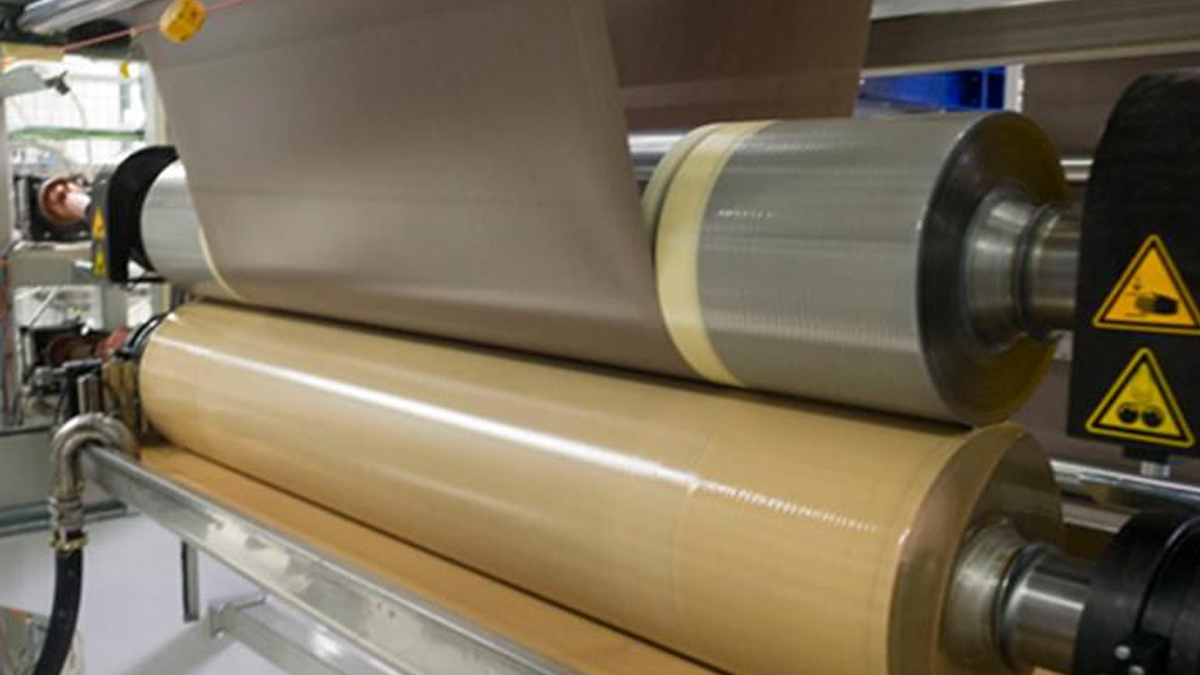
2. Make Coat Application
A bonding adhesive is applied to the backing material to create the initial adhesive layer.
The formulation and application conditions influence how abrasive grains are attached to the substrate.
3. Abrasive Grain Application
Pink Fused Alumina grains are distributed over the adhesive-coated backing.
Grain size, particle distribution, coating method, and application conditions all need to be considered to achieve the required abrasive structure.
4. Size Coat Application and Curing
An additional adhesive layer, known as the size coat, is commonly applied to secure the abrasive grains.
The coated material then undergoes the required curing process according to the adhesive system.
5. Flap Disc Conversion and Assembly
After the coated abrasive material is ready, it is cut into individual abrasive flaps.
These flaps are arranged and attached to a backing plate to produce the finished flap disc.
For abrasive grain suppliers, understanding these stages helps identify the specifications that coated abrasive manufacturers need when purchasing raw materials.
What Flap Disc Manufacturers Should Check When Choosing a Supplier
Choosing a Pink Fused Alumina supplier involves more than comparing prices. Material consistency, technical support, and supply arrangements are important considerations for manufacturers purchasing abrasive grains regularly.
Here are five points to check before placing a bulk order.
1. Product Grade and Chemical Composition
Confirm the chromium oxide content and aluminum oxide purity of the supplied material.
If you are replacing an existing abrasive source, comparing the current Certificate of Analysis (COA) with the proposed material can help identify differences before production trials.
2. Abrasive Grain Size
Clearly specify the required grading standard and particle size.
For coated abrasive applications, confirm the required P-grit specification rather than assuming that an F-grit designation is equivalent.
3. Quality Documentation
Ask whether the supplier can provide relevant technical documents, including:
- Technical Data Sheet (TDS)
- Certificate of Analysis (COA)
- Chemical composition information
- Particle size distribution data
These documents help your purchasing and quality control teams assess whether the material meets the agreed requirements.
4. Sample Testing
Before moving to a large order, test the abrasive material in your own manufacturing process.
Evaluate grain distribution, bonding behavior, coating consistency, and the performance of the finished flap disc.
This helps determine whether the material is suitable for your particular formulation and production conditions.
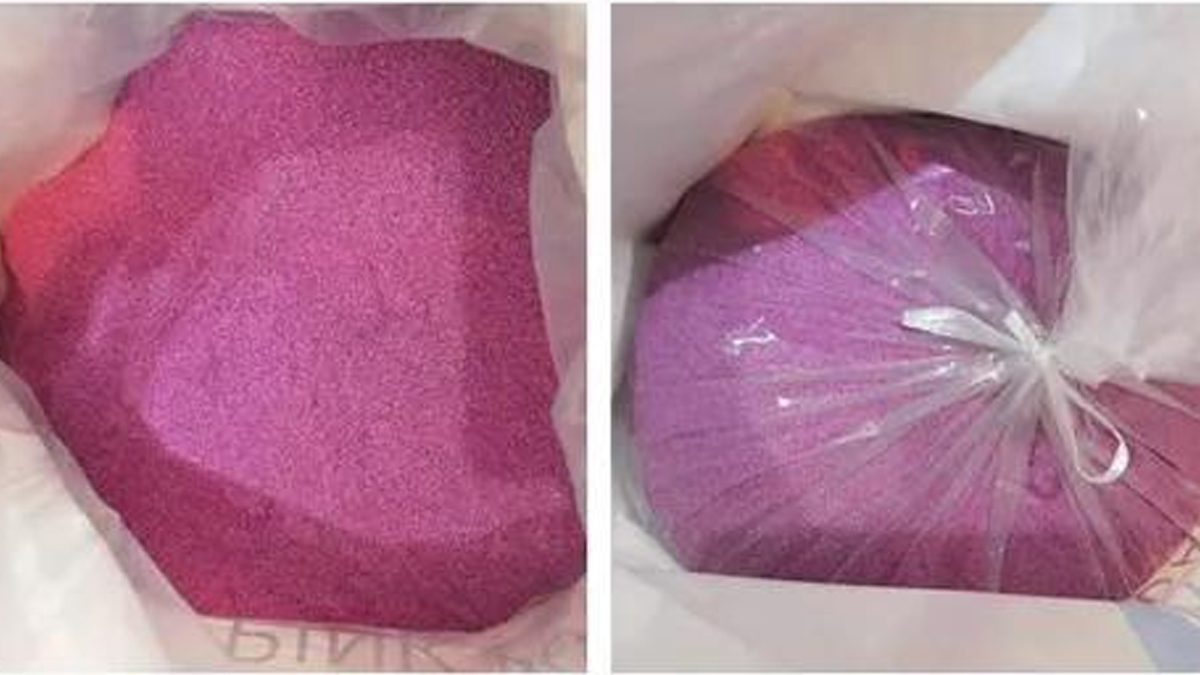
5. Bulk Supply and Packaging
For manufacturers with ongoing production requirements, discuss the following before confirming an order:
- Available PA grades
- Required particle size specifications
- Packaging options
- Minimum order quantity
- Bulk order quantity
- Delivery arrangements
A clear understanding of these details helps avoid specification misunderstandings and purchasing delays.
For buyers comparing alternative sources, our article on How to Change Chromium Corundum Suppliers Without Changing Your Production Formula provides additional guidance on material evaluation.
Source Pink Fused Alumina from HONREL
HONREL supplies Chromium Corundum, also known as Pink Fused Alumina or Pink Corundum, for abrasive and refractory applications.
Our published PA specifications cover low-, medium-, and high-chromium grades, with standard abrasive sizes from F16 to F320.
For coated abrasive manufacturers, choosing the right material starts with understanding the actual production requirements.
HONREL can support your sourcing evaluation with:
Multiple PA Grades
Low-, medium-, and high-chromium PA options for different abrasive material requirements.
Published Product Specifications
Chemical composition and physical property information to help buyers evaluate material suitability.
Technical Documentation
Relevant product specifications and quality information for purchasing and material evaluation.
Sample and Bulk Order Discussions
Discuss your required grade, particle size, quantity, and packaging needs with our team.
Visit our Chromium Corundum Manufacturer & Supplier page to learn more about HONREL’s PA material range.
You can also explore our wider Abrasive and Refractory Materials product range.