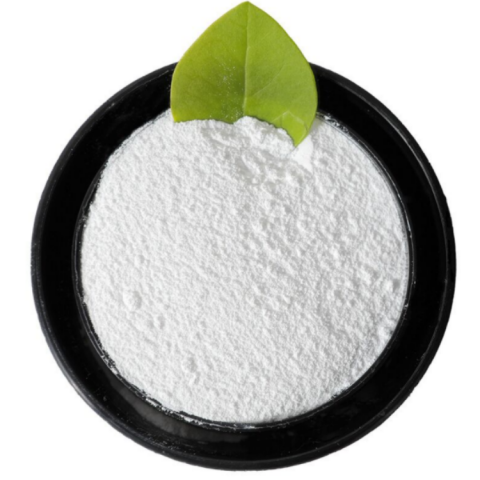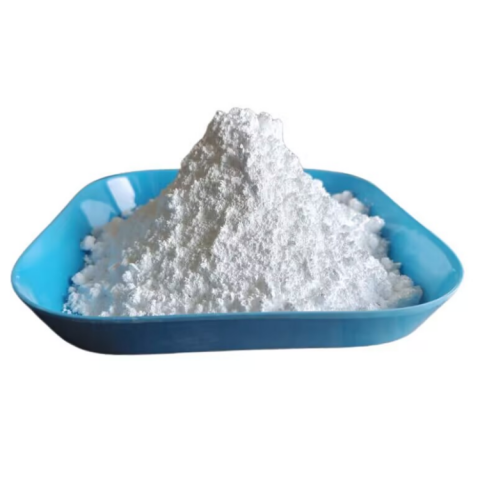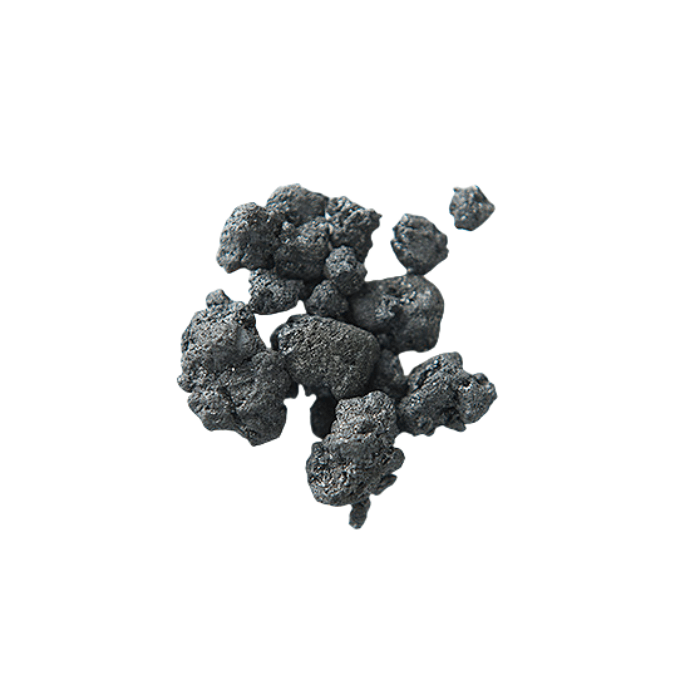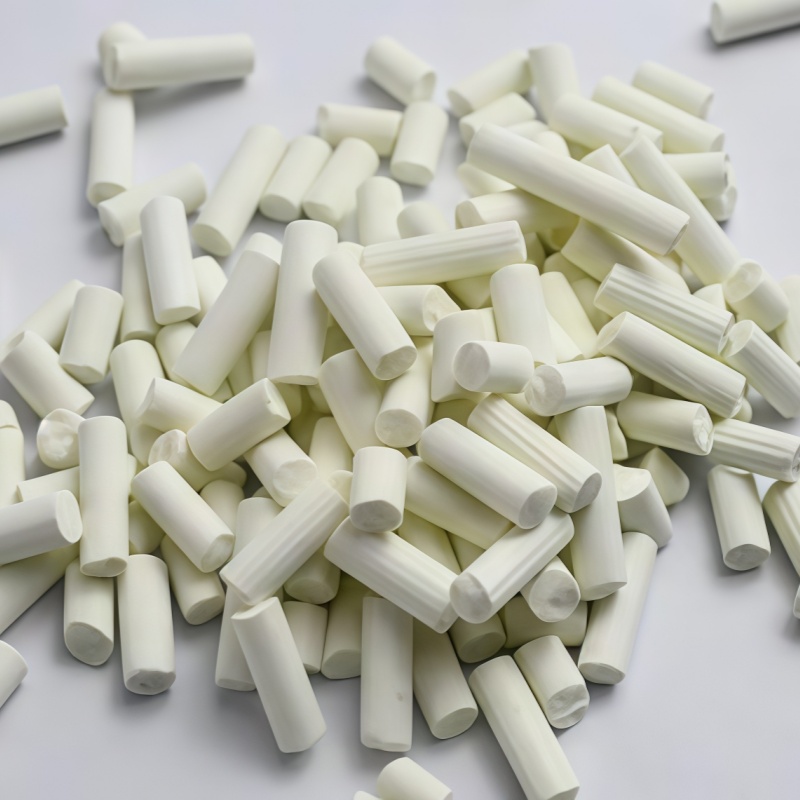

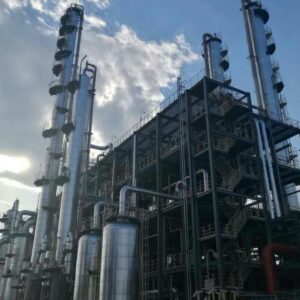

Hydrocarbon Steam Reforming Secondary Reformer Catalyst
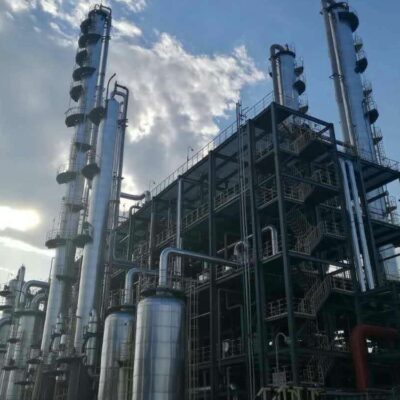
Secondary Reformer Catalysts are primarily used in the secondary reforming sections of plants producing synthetic ammonia or hydrogen from syngas (derived from natural gas, coke oven gas, etc.); they are also utilized in the pure-oxygen or oxygen-enriched reforming sections of facilities producing methanol, synthetic ammonia, or hydrogen using coke oven gas as feedstock.
Hydrocarbon Steam Reforming Secondary Reformer Catalysts are suitable for the system of ammonia, methanol, hydrogen plant using natural gas and coke oven gas.
Secondary Reformer Catalysts are suitable for the hydrogen plant using catalytic dry gas and coking dry gas.
Secondary Reformer Catalysts are suitable for methanol synthesis and ammonia plant using oil field gas, refinery gas and naphtha.
Specification
| Test Item | Specification
(Low Nickel) |
Specification
(High Nickel) |
|
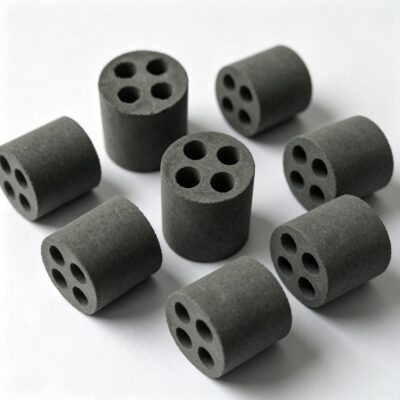
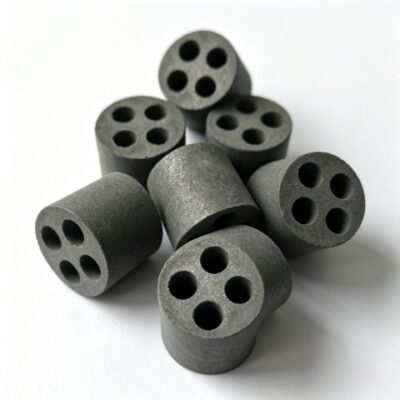
| Appearance | Shape | 4-hole cylinder | 4-hole cylinder |
| Size,mm | Φ (16.0~16.5) ×(15.0~17.0) | Φ (16.0~16.5) ×(15.0~17.0) | |
| NiO , %(wt) | ≥5 | ≥13 | |
| Radial compressive strength, N/Grain | ≥300 | ≥300 | |
| Bulk density, kg/L | 0.90~1.05 | 0.90~1.05 | |
Features:
Lower impurity content and superior heat resistance; does not sinter during prolonged operation at 1400°C.
High conversion rate.
Excellent bed stability and uniform gas flow distribution, with no channeling.
Long service life; exceeds five years under normal operating conditions in high-temperature environments.
Storage
During transport and storage, it must be protected from moisture, fire, and overturning, and strictly shielded from chemical contamination; rolling or impact during handling is strictly prohibited. When stored outdoors, the drums should be placed on sleepers and covered with tarpaulins for rain protection; packaging in bulk bags (FIBCs) is also available upon customer request.
Related products
-

Potassium Silicate
Potassium silicate is the name for a family of inorganic…
-
Tellurium dioxide
Tellurium dioxide (TeO₂) is an inorganic compound with the…
-

Ruthenium catalyst / Ruthenium on activated charcoal
Ruthenium catalyst/Ruthenium on activated charcoal CAS No.:7440-18-8 Specifications: Ru 101,…
-

Zinc Oxide Desulfurizer
Molecular Formula:ZnO Appearance: Light Yellow or white strips Grade Standard:…