
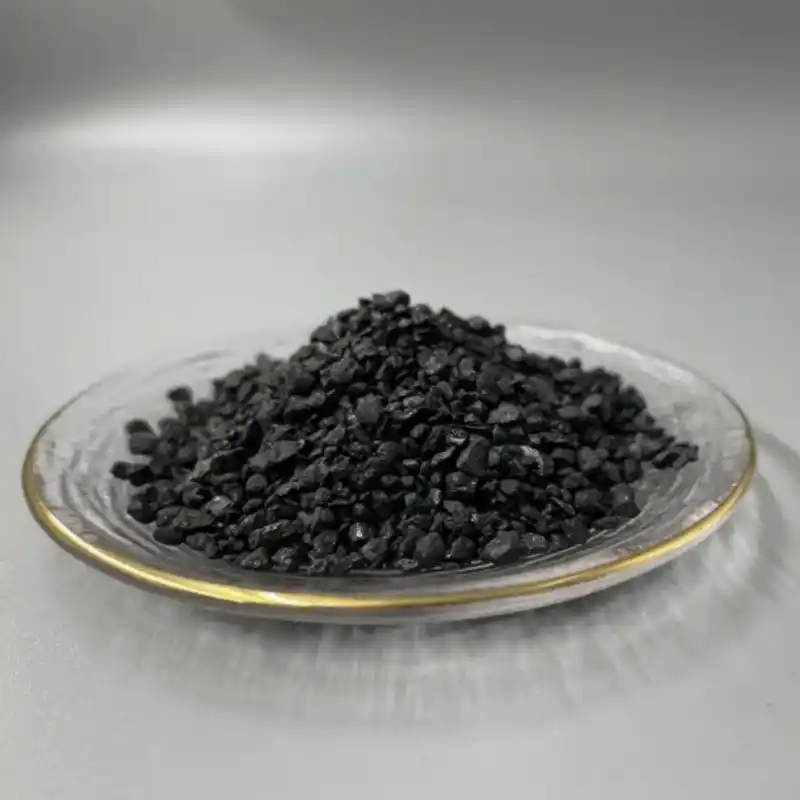
Ammonia Synthesis Catalyst Deactivation: Why Ammonia Conversion Falls

When ammonia conversion starts falling, the catalyst often gets blamed first. That can be an expensive mistake.
Lower loop pressure, excess inerts, poor ammonia separation, the wrong H2 ratio or a drifting analyser can all make the converter look weak. Real ammonia synthesis catalyst deactivation usually leaves more than one clue: lower conversion at the same duty, a changing bed-temperature profile, higher inlet temperature to hold output, or no recovery after gas quality is restored.
The job is to separate three things: a loop problem, a contamination event and genuine loss of catalyst activity.
Оглавление
First, Prove the Conversion Loss
Do not compare today’s conversion with a nameplate figure taken under different conditions. Use a known healthy run at a similar throughput, then normalise the data.
Check converter pressure, make-up gas flow, recycle rate, H2 ratio, inlet ammonia, methane and argon, purge rate, condenser duty and separator performance. High inert build-up lowers the partial pressure of hydrogen and nitrogen. Weak condensation returns more NH3 to the converter and cuts the reaction driving force. Neither proves the catalyst charge is spent.
Verify the gas chromatograph, ammonia analyser, flowmeters and bed thermocouples as well. One bad signal should not trigger a changeout.
Read the Converter Temperature Profile
Ammonia formation is exothermic. An active bed creates a temperature rise, often called the converter exotherm or bed delta-T. The useful evidence is the whole profile—not one thermocouple reading.
| Plant symptom | Likely direction | What to check next |
|---|---|---|
| Lower delta-T across several beds | Lower reaction rate or changed loop conditions | Pressure, load, gas ratio, inerts and inlet NH3 |
| Reaction zone moves deeper into a bed | Loss of activity near the bed inlet | Gas-purity history and local temperature exposure |
| Local cold area | Maldistribution, channeling or faulty sensor | Thermocouple check, loading record and gas distribution |
| Higher inlet temperature needed for the same output | Shrinking activity margin | Long-term conversion and temperature trend |
| Rising pressure drop with uneven temperatures | Fines, settling or bed damage | Differential pressure and shutdown inspection |
A small exotherm in a lower bed is not automatically bad. Lower beds see more product ammonia and operate closer to equilibrium. Compare each bed with its own clean historical baseline at similar duty.
Operators sometimes keep raising inlet temperature to recover production. That may help kinetics for a while, but it is not a cure. Too much severity can accelerate sintering and reduce the remaining campaign life.
Gas Purity: Small Slip, Large Consequence
An industrial ammonia synthesis iron catalyst needs exceptionally clean make-up gas. Water, oxygen, CO and CO2 can block or oxidise active iron sites. Sulfur compounds are more serious and may cause permanent damage.
A 2025 DTU study(orbit.dtu.dk/en/publications/the-importance-of-gas-purity-in-catalytic-ammonia-synthesis/) found that oxygen-containing species at or below 1 ppm caused an order-of-magnitude rate reduction in laboratory testing of an industrial iron catalyst. This is not a direct plant production forecast, but it explains why a “clean” spot sample may not tell the full story.
A 2020 laboratory study(onlinelibrary.wiley.com/doi/full/10.1002/cite.202000100)also reported a slow activity decline under low-level impurity exposure and recovery after more complete purification. The practical lesson is simple: trend history matters more than today’s single reading.
| Contaminant group | Typical effect | Recovery outlook |
|---|---|---|
| H2O, O2, CO and CO2 | Surface inhibition or oxidation of active sites | May improve after clean gas returns if the iron structure is intact |
| Sulfur, phosphorus, arsenic and chlorine | Strong, persistent poisoning | Usually treated as permanent activity loss |
| Long oxygenate exposure plus high temperature | Oxidation, hot spots and sintering | Recovery may be incomplete even after purification |
Для ammonia synthesis catalyst poisoning, review the hours before the conversion drop. Did the methanator move off-spec? Was there moisture carryover after restart? Did sulfur break through the guard system? Was air admitted during maintenance? A stable reading today does not erase an earlier excursion.
If performance returns after the clean-up section is stable, temporary inhibition probably played a part. If the delta-T and conversion stay low, permanent poisoning or structural damage becomes more likely. Any recovery step should follow the catalyst supplier’s operating procedure.
Thermal Ageing Usually Looks Different
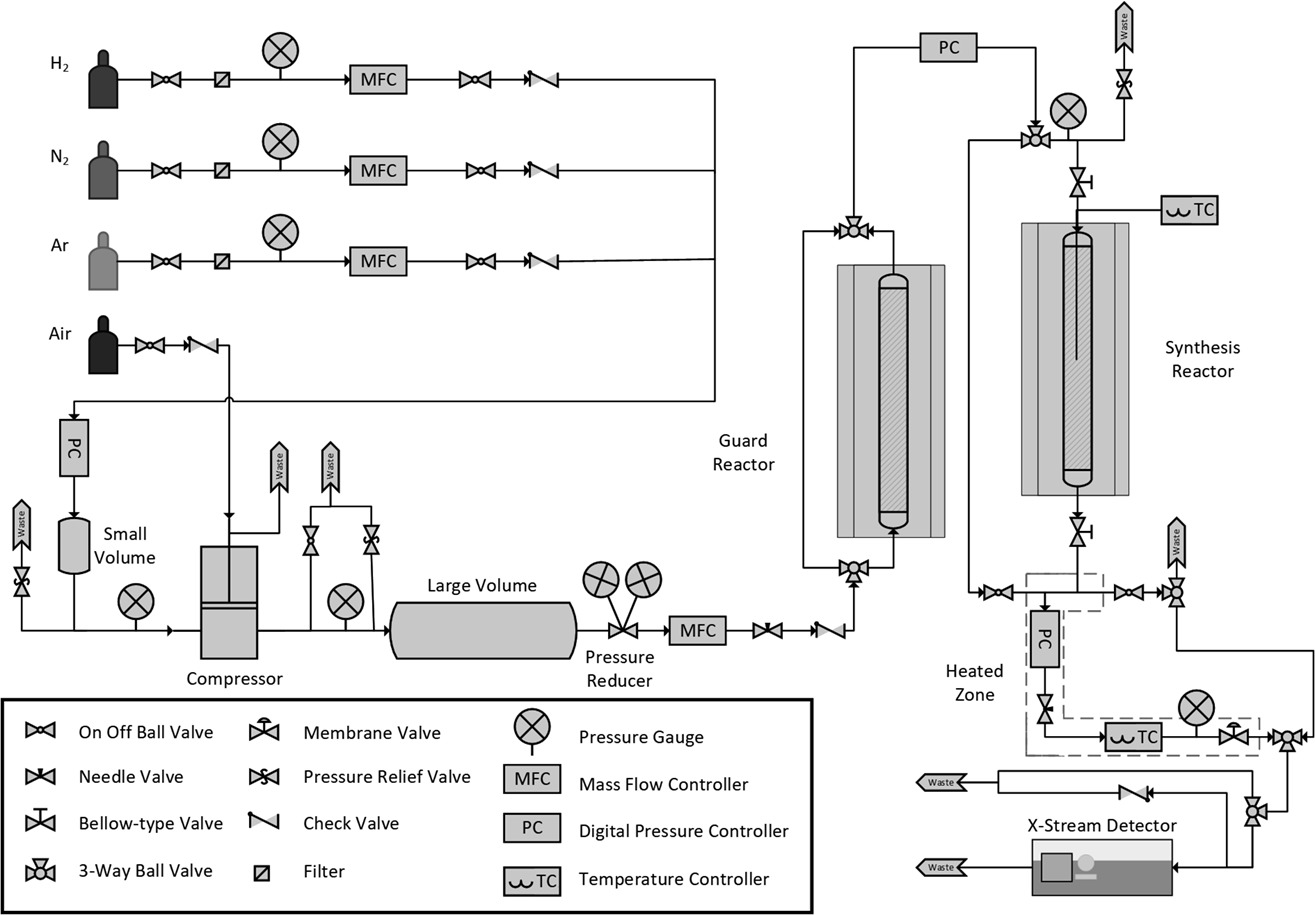
An iron catalyst for ammonia synthesis slowly loses active surface during service. High operating temperature, repeated trips and local hot spots speed up crystallite growth and sintering. The plant then needs more temperature or pressure to hold the same rate.
This decline is usually gradual and persistent. It does not disappear after recalibrating an analyser or correcting the gas ratio.
Contamination and thermal ageing can also overlap. Johnson Matthey’s industry guidance(matthey.com/documents/161599/440143/Reprint%2B-%2BN%2BS%2B-%2BMaking%2Band%2Bbreaking%2BNH3.pdf/5f27f8ee-48a7-217c-fb0f-ab3da18f8f7e?t=1662576097695) notes that oxygen, CO, CO2 and water can create local oxidation and hot spots. The impurity may leave, while the sintering remains.
Let the Operating History Point to the Cause
The timing of the loss is often the fastest diagnostic tool.
| Performance pattern | More likely cause | Evidence to review |
|---|---|---|
| Sudden drop after a purification upset | Poisoning or surface oxidation | CO, CO2, H2O, O2 and sulfur trends |
| Weak performance since first startup | Poor reduction, activation or loading | Heat-up record, reduction-water trend and loading report |
| Slow decline under comparable conditions | Thermal ageing or accumulated exposure | Monthly conversion, pressure and temperature trends |
| Loss follows purge or feed-ratio changes | Loop conditions | Inert level, H2 ratio and analyser basis |
| Higher pressure drop plus unstable temperatures | Fines, channeling or bed movement | Delta-P trend and mechanical inspection |
Put trips, restarts, purifier breakthrough, feedstock changes and temperature excursions on the same timeline as conversion. This often shows whether the catalyst for ammonia synthesis is the cause or the victim of another plant problem.
Was the Catalyst Activated Correctly?
If the charge never reached expected performance, review the original ammonia synthesis catalyst reduction records. An oxidised catalyst needs controlled activation. Incomplete reduction, excessive reduction-water concentration or aggressive heat-up can leave the bed underperforming from day one.
That is different from a charge that ran well for years and then faded. It also matters when buying the replacement: oxidised and pre-reduced grades have different loading weights, start-up work and handling requirements.
When Replacement Makes Commercial Sense
A catalyst changeout becomes a sound decision when:
- instruments and laboratory results have been verified;
- loop pressure, gas ratio, purge, inerts and condensation are under control;
- the contamination source has been found and corrected;
- conversion and bed exotherms remain below the healthy baseline; and
- production can be maintained only by increasing operating severity or accepting lower efficiency.
Confirmed permanent poisoning, thermal damage, excessive fines or unacceptable bed pressure drop can bring the decision forward. Do not load fresh material into an unresolved impurity slip. The new charge will face the same failure mode.
Specify the Replacement for the Actual Converter
Buying an ammonia synthesis converter catalyst by product name alone creates avoidable risk. Particle size affects pressure drop and exposed surface. Supplied condition changes start-up work. Bulk density changes the loading quantity, so copying the old tonnage can underfill or over-order the new charge.
HONREL поставляет iron-cobalt ammonia synthesis catalyst for industrial converter reloads. For a specification match, send:
- the current grade, TDS or COA;
- oxidised or pre-reduced condition;
- particle size, previous loading weight and bed volume;
- converter type, bed arrangement and normal operating pressure;
- inlet and bed-temperature trends;
- present and historical conversion or outlet NH3;
- make-up and loop-gas analysis, including known impurity events; and
- destination, required quantity and turnaround date.
HONREL can review grade compatibility, particle size, calculated loading quantity and delivery requirements before quotation. The goal is a technically matched, cost-effective supply—not a blind substitute that creates start-up or pressure-drop problems.
If your converter has lost activity and the data already points toward changeout, свяжитесь с HONREL. Share the existing specification and recent operating trend. You will get a more useful recommendation, a clearer catalyst comparison and a faster RFQ response.
Quick Questions
What usually causes ammonia synthesis catalyst deactivation?
Common causes are oxygenates, sulfur exposure, thermal ageing, poor initial activation and physical bed damage. Loop changes can mimic the same symptoms, so conversion, bed temperatures, gas purity and operating history should be reviewed together.
Can poisoned catalyst activity recover?
Temporary surface inhibition may improve after clean gas is restored. Permanent poisons, severe oxidation and sintering usually do not recover fully.
Should lower ammonia conversion trigger immediate replacement?
No. First verify the instruments and normalise loop conditions. Replacement is justified when low activity persists under comparable, clean and stable operation—or when mechanical condition limits safe, efficient production.