
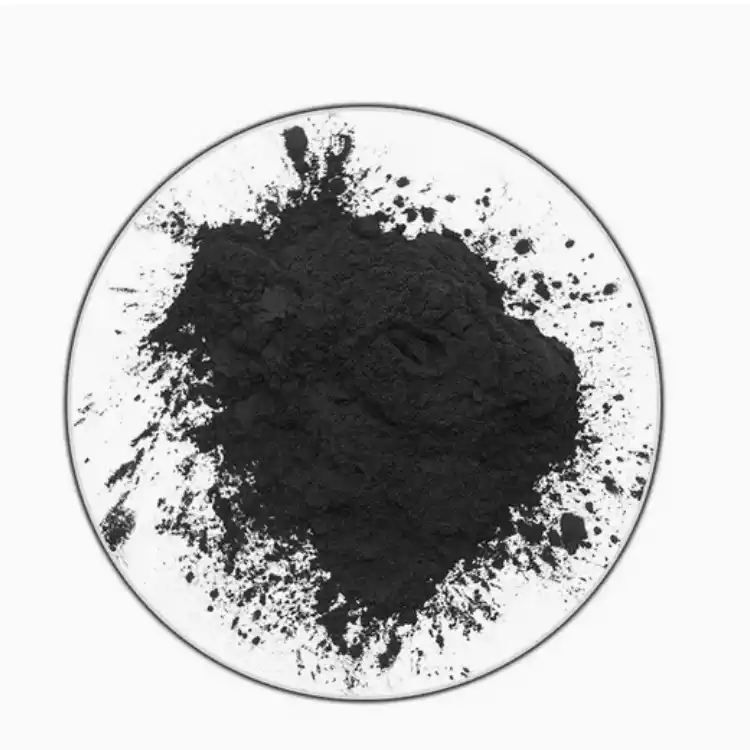
8 основных областей применения катализаторов десульфуризации на основе фталоцианина кобальта

Удаление серы редко ограничивается лишь проблемой выбросов. Сероводород может вызывать коррозию трубопроводов, отравлять катализаторы, расположенные ниже по потоку, повреждать двигатели, создавать проблемы с запахом и забивать десульфуризационные башни отложениями серы.
Катализаторы десульфуризации на основе фталоцианина кобальта используются в щелочных системах влажного окисления для удаления H₂S из промышленных газов. Они способствуют регенерации циркулирующего раствора и преобразованию абсорбированных сульфидов в отделяемую элементарную серу.
Отдельные составы фталоцианина кобальта также используются для очистки сжиженного нефтяного газа и нефтяных фракций от меркаптанов. Однако удаление H₂S из газовой фазы и очистка жидких углеводородов — это разные задачи, которые следует оценивать отдельно.
В этой статье рассматриваются восемь распространенных промышленных сценариев применения кобальтовых фталоцианиновых катализаторов, а также вопросы эксплуатации, которые покупатели должны учитывать перед выбором продукта.
Оглавление
Как работает катализатор десульфуризации на основе фталоцианина кобальта?
В системе мокрого окисления для обессеривания серосодержащий газ контактирует с циркулирующим щелочным раствором внутри абсорбера. Сероводород абсорбируется в жидкость, а затем окисляется до элементарной серы посредством каталитического окислительно-восстановительного цикла.
Воздух, подаваемый в секцию регенерации, восстанавливает циркулирующий раствор, позволяя ему вернуться в абсорбер.
Обычно этот процесс включает в себя:
- Поглощение H₂S в щелочном растворе
- Каталитическое превращение растворенных сульфидов
- Окисление до элементарной серы
- Воздушная регенерация циркулирующей жидкости
- Разделение серы
- Переработанный раствор возвращается в абсорбер.
Грамотно управляемая система может снизить нагрузку H₂S, одновременно извлекая серу и ограничивая потребление химикатов. Фактическая производительность по-прежнему зависит от состава поступающей жидкости, щелочности, pH, температуры, аэрации, соотношения жидкости и газа и степени отделения серы.
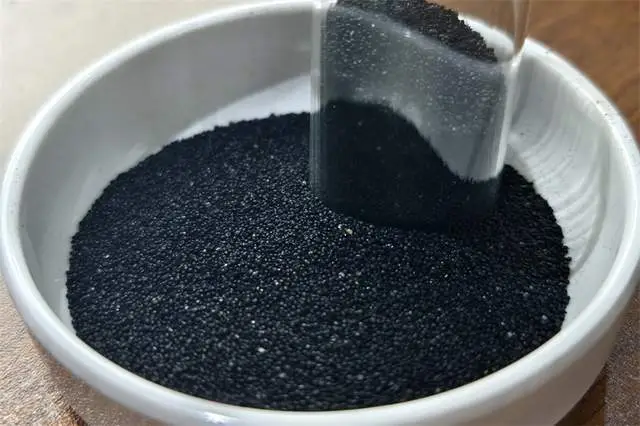
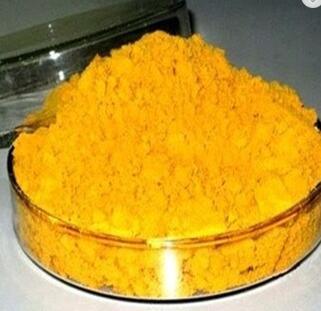
Компания Honrel поставляет PDS-HY катализатор десульфуризации на основе кобальтового фталоцианина для влажной окислительной очистки газов и отдельных задач по обработке серы.
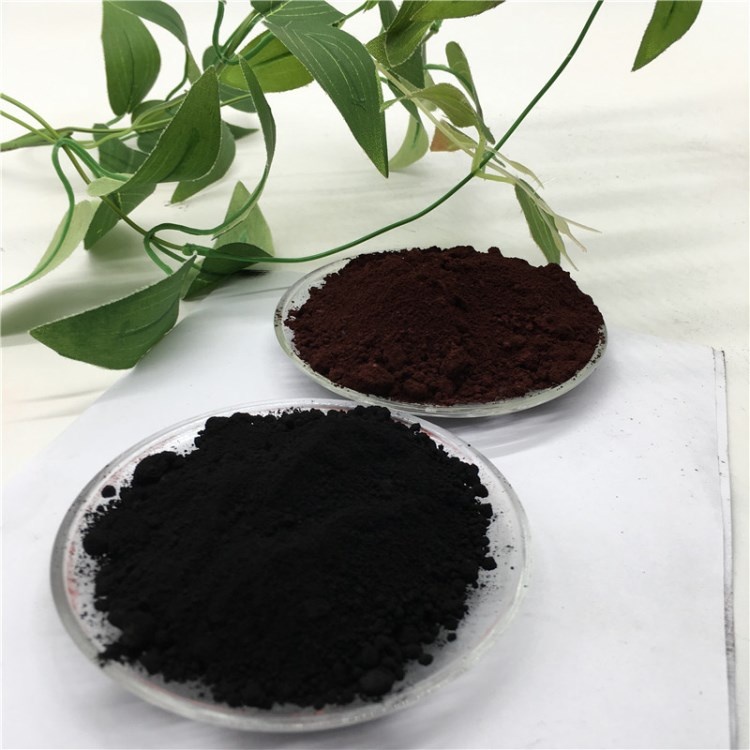
1. Десульфуризация и децианирование коксового газа
Коксовый газ может содержать H₂S, HCN и другие серосодержащие примеси. Эти загрязняющие вещества необходимо контролировать до того, как газ будет использован в качестве промышленного топлива, поставлен в качестве городского газа или направлен на другой химический процесс.
В коксохимических заводах для поглощения H₂S и стимулирования образования серы в циркулирующем растворе используется метод влажного окисления PDS. В зависимости от технологической схемы, в той же секции очистки может также проводиться децианирование.
К числу распространенных проблем в процессе эксплуатации относятся:
- Высокий уровень H₂S на входе
- HCN в неочищенном газе
- Отложение серы на насадке башни
- Засорение трубопроводов и распылительных форсунок.
- Высокое содержание взвешенной серы
- Образование пены в циркулирующем растворе
- Накопление тиосульфатов и других побочных солей.
- Снижение эффективности регенерации
PDS-HY производит относительно крупные частицы серы, что облегчает разделение твердой и жидкой фаз. Более эффективное удаление серы может снизить содержание взвешенных твердых частиц в растворе и уменьшить риск засорения колонны и трубопровода.
Компания Honrel рекомендует концентрацию катализатора не менее 30 ppm для указанных условий работы коксового газа, при этом абсорбция происходит при температуре 30–35°C, регенерация — при 35–40°C, а pH раствора — от 8 до 9.
2. Очистка сырой угольной нефти и городского газа.
Сырой угольный газ часто необходимо очищать перед тем, как он попадет в топливную сеть или на последующую перерабатывающую установку. Неочищенный H₂S может вызывать коррозию, неприятный запах и выбросы серы во время сжигания.
Катализатор на основе фталоцианина кобальта можно добавлять в циркулирующую жидкость на основе аммиака или карбоната. Он способствует окислительной регенерации, в то время как абсорбер удаляет H₂S из газа.
Данное лечение может способствовать:
- Подготовка промышленного топливного газа
- Производство городского газа
- Химическая очистка угольного газа на подаче на рынок
- Повторное использование газа на коксовом предприятии
- Снижение нагрузки серы на нижестоящие звенья технологического процесса.
Катализатор не заменяет базовую подготовку газа. Перед тем, как газ достигнет абсорбера, необходимо контролировать наличие смол, пыли и избыточного конденсата. В противном случае, загрязнения могут нарушить контакт газа с жидкостью, усилить пенообразование или помешать отделению серы.
Для более старых установок десульфуризации основной вопрос при покупке обычно заключается в совместимости с существующим циркуляционным раствором. Перед заменой продукции покупатели должны предоставить данные о текущем составе абсорбента, дозировке катализатора, расходе газа и содержании серы.
3. Полуводяная очистка газа на заводах по производству удобрений.
Полуводяной газ используется в качестве промежуточного сырья в некоторых процессах производства удобрений и аммиака. Сероводород (H₂S) необходимо восстановить перед тем, как газ поступит в секции конверсии, сжатия и синтеза.
На этом этапе может помочь удаление серы в больших объемах:
- Защита катализаторов, расположенных ниже по технологической цепочке.
- Снижение коррозии в компрессорах и трубопроводах.
- Снизить нагрузку на установки тонкой десульфуризации
- Продление срока службы полирующего адсорбента
- Стабилизация поздних стадий производства
Для полуводного газа компания Honrel указывает диапазон температур абсорбции 25–35°C и диапазон температур регенерации 35–45°C. Рекомендуемый pH раствора составляет 8–9, а концентрация катализатора — не менее 30 ppm.
В зависимости от технологического процесса, в качестве циркулирующей жидкости может использоваться летучий аммиак или карбонат натрия. Состав раствора следует регулярно проверять, поскольку низкая щелочность ослабляет поглощение H₂S, а неконтролируемые условия эксплуатации могут увеличить побочные реакции и образование побочных солей.
Для удаления серы в больших объемах обычно используется метод влажного окисления PDS. Если в последующем процессе требуется очень низкое остаточное содержание серы, может потребоваться дополнительная стадия полировки.

4. Очистка конверсионного и синтез-газа
Соединения серы в газе конверсии или синтез-газе могут сократить срок службы катализатора на последующих этапах процесса. Даже если основной процесс может выдерживать кратковременные колебания, повторные прорывы серы часто приводят к нестабильности производства и более частой замене адсорбента.
Мокрая десульфуризация с использованием кобальтового фталоцианина может применяться перед:
- Секции синтеза аммиака
- системы производства водорода
- метаноловые установки
- Этапы преобразования оксида углерода
- Тонкопленочные фильтрующие слои для удаления серы
Основная коммерческая ценность заключается в снижении нагрузки на этапе производства. Удаление большей части H₂S перед адсорбентом для доочистки может уменьшить частоту его замены и помочь поддерживать более стабильный уровень серы на входе.
Однако «органическая сера» — это широкий термин. COS, CS₂ и меркаптаны ведут себя не так, как H₂S, и скорость их удаления варьируется в зависимости от состава газа и условий процесса. Покупателям следует предоставлять анализ соединений серы, а не только анализ общего содержания серы.
Компания Honrel заявляет о диапазоне удаления органической серы от 50% до 80% при соответствующих условиях. Фактические результаты следует подтвердить, сравнив их с конкретным исходным газом и требуемыми характеристиками на выходе.
5. Обработка металлургических газов и отходящих газов печи.
В сталелитейных, цветных металлургических и промышленных печах могут производиться или повторно использоваться газы, содержащие H₂S и другие серосодержащие компоненты.
Удаление серы может помочь растениям:
- Повторное использование газа в качестве внутреннего топлива
- Снижение коррозии в газопроводах
- Защитите горелки и расположенное ниже по потоку оборудование.
- Снижение выбросов серы при сжигании топлива.
- Улучшение качества извлекаемого газа
Катализатор PDS-HY компании Honrel может использоваться для обработки доменных газов и некоторых отходящих газов промышленных печей после соответствующего охлаждения и удаления пыли.
Металлургические газы сильно различаются. Перед выбором процесса мокрого окисления следует учитывать температуру, содержание твердых частиц, оксида углерода, диоксида углерода и воды. Горячий или запыленный газ не следует направлять непосредственно в систему десульфуризации.
Поступающий газ должен быть подготовлен для защиты абсорбера, циркуляционного насоса и секции регенерации от твердых частиц и проблем, связанных с конденсатом.
6. Десульфуризация биогаза и свалочного газа
Биогаз, получаемый в результате анаэробного сбраживания, и свалочный газ могут содержать достаточное количество H₂S, чтобы повредить двигатели, котлы, компрессоры, мембраны и оборудование для модернизации.
Неконтролируемое выделение сероводорода может привести к следующим последствиям:
- Коррозия в трубопроводах и оборудовании для хранения
- деградация смазочного масла
- Сокращение интервалов технического обслуживания двигателя.
- Повреждение мембраны и систем PSA.
- Повышенная нагрузка на слои активированного угля или оксида железа.
- Выбросы SO₂ после сгорания
Мокрая окислительная десульфуризация подходит для проектов с непрерывным потоком газа и циркуляционной системой обработки жидкости. PDS-HY способствует регенерации катализатора и образованию серы, что позволяет повторно использовать раствор.
Этот маршрут может быть рассмотрен для:
- сельскохозяйственные биогазовые установки
- Биореакторы для пищевых отходов
- Очистные сооружения для сточных вод
- проекты по использованию свалочного газа
- Системы очистки биометана
- Промышленное анаэробное сбраживание
Выбор оптимального процесса зависит от объема газа, содержания H₂S на входе, содержания метана, требуемой концентрации на выходе и наличия персонала. Для небольших или периодически работающих систем более простым решением может стать сухой десульфуратор. Для крупных установок непрерывного действия больше пользы может принести регенеративный влажный процесс.
7. Обработка природного газа и попутного газа, образующегося на нефтяных месторождениях.
Природный газ и попутный газ могут содержать H₂S, а также диоксид углерода, воду и легкие углеводороды. Газ необходимо очистить перед транспортировкой, сжиганием или последующей переработкой.
Система жидкофазного окисления PDS может быть рассмотрена в тех случаях, когда технологический процесс требует:
- Массовое удаление H₂S
- Регенерируемая жидкость для десульфуризации
- Разделение элементарной серы
- Непрерывная обработка газа
- Снижение нагрузки на последующую очистку
Для газов с высоким соотношением CO₂ к H₂S селективность приобретает важное значение.
8. Очистка сжиженного нефтяного газа и нефтяной фракции от примесей.
Производные фталоцианина кобальта также используются в щелочных системах для обработки меркаптанов в сжиженном нефтяном газе и некоторых нефтяных фракциях.
Типичные направления включают в себя:
- Сжиженный газ
- Фракции пропана и бутана
- Сжиженный природный газ
- Легкая нафта
- Бензин FCC
- Керосин
- Реактивное топливо
- Отдельные виды топлива
В ходе этих процессов катализатор способствует окислению меркаптанов до дисульфидов:

Цель обычно состоит в улучшении запаха, снижении коррозионной активности и обеспечении соответствия продукта требованиям, касающимся меркаптанов.
Экстракция меркаптанов и очистка в неподвижном слое — это не одно и то же. В экстракционных установках меркаптаны переходят в щелочную фазу, а образующееся дисульфидное масло отделяется в процессе регенерации. При прямой очистке дисульфиды могут оставаться в углеводородном продукте.
В результате, очистка не всегда означает полное удаление всей серы. Она превращает более агрессивные меркаптаны в менее проблемные соединения.
Перед использованием PDS-HY в потоках сжиженного нефтяного газа или нефти необходимо подтвердить существующий технологический процесс, форму катализатора, щелочную систему и требования к совместимости. Катализатор, предназначенный для удаления H₂S в мокром режиме, не следует автоматически рассматривать как полную замену для всех установок типа Merox.
Влажная десульфуризация газа против очистки углеводородов
| Точка процесса | Влажная окислительная десульфуризация газа | Углеводородный меркаптановый подсластитель |
|---|---|---|
| Основной поток | Промышленный газ | Сжиженный нефтяной газ (СНГ) или жидкая нефтяная фракция |
| Основное сернистое соединение | H₂S | Меркаптаны, РШ |
| Основная цель | Удалить H₂S из газа | Преобразовать или извлечь меркаптаны |
| Основной продукт, содержащий серу. | Элементарная сера | Дисульфиды |
| Типичное оборудование | Абсорбционный и регенерационный блок | Жидкостно-жидкостный экстрактор или реактор с неподвижным слоем |
| Циркулирующая среда | Аммиачный или щелочной раствор | Обычно используется едкий натр или другая щелочная среда. |
| Основная операционная проблема | Разделение серы и регенерация раствора | Превращение меркаптана и регенерация каустика |
| Выбор продукции | Исходя из состава газа и условий мокрого процесса. | Исходя из требований к сырью и лицензированному технологическому процессу. |
Это различие следует учитывать перед тем, как запрашивать образец или коммерческое предложение.
Технические характеристики изделия PDS-HY
Компания Honrel предлагает три марки продукции, отвечающие различным требованиям к каталитической активности и составу.
| Элемент | Единица | Высший сорт | Отличная оценка | Квалифицированный класс |
|---|---|---|---|---|
| Появление | — | Сине-серый порошок | Сине-серый порошок | Сине-серый порошок |
| Размер частиц | мкм | ≤850 | ≤850 | ≤850 |
| Плотность | г/см³ | ≤0,80 | ≤0,80 | ≤0,80 |
| Нерастворимые вещества | вес.% | ≤5.0 | ≤8.0 | ≤10.0 |
| Каталитическая активность | мин⁻¹ | ≥0,040 | ≥0,030 | ≥0,020 |
| Содержание кобальта | вес.% | ≥3,0 | ≥2,70 | ≥2,50 |
| Дихлорпорфирин кобальтсульфонат | вес.% | ≥70,0 | ≥65,0 | ≥60,0 |
Высший сорт обеспечивает более высокую заданную каталитическую активность, содержание кобальта и активного компонента, а также более низкий предел содержания нерастворимых веществ.
Выбор марки хладагента должен соответствовать текущему технологическому процессу, целевой дозировке, состоянию раствора и требованиям к производительности установки. Более высокая марка не заменяет недостаточное аэрирование, неадекватный контакт газа и жидкости или неэффективное отделение серы.
Эталонные условия процесса
К пошлинам на коксовый газ и полуводяной газ, указанным компанией Honrel, применяются следующие условия.
| Параметры процесса | Единица | Газ коксовой печи | Полуводяной газ |
|---|---|---|---|
| Летучий аммиак, аммиачный процесс | г/л | 6.0–8.0 | 6.0–8.0 |
| Карбонат натрия, щелочной процесс | Молл | 0,4–0,6 | 0,4–0,6 |
| Концентрация катализатора | ppm | ≥30 | ≥30 |
| Температура поглощения | °С | 30–35 | 25–35 |
| Температура регенерации | °С | 35–40 | 35–45 |
| pH раствора | — | 8–9 | 8–9 |
| Аэрация регенерационного резервуара | м³/м²·ч | 35–110 | 35–110 |
| Аэрация регенерационной башни | м³/м²·ч | 110–130 | 110–130 |
| Эффективность регенерации | % | ≥80 | ≥80 |
| Соотношение жидкости и газа | л/м³ | ≥12 | ≥12 |
| Взвешенная сера | г/л | ≤1,5 | ≤1,5 |
| Соли, полученные в результате побочных продуктов | г/л | ≤250 | ≤250 |
Это эталонные условия, а не универсальные настройки. Перед настройкой работающего агрегата следует проверить состав газа, конструкцию абсорбера и существующие рабочие процедуры.
Почему важно разделение серы
Одного лишь высокого уровня удаления H₂S недостаточно для обеспечения стабильной работы установки. Необходимо также эффективно удалять серу, образующуюся в процессе регенерации.
Очень мелкие частицы серы могут оставаться во взвешенном состоянии и вызывать:
- Более высокая вязкость раствора
- Образование пены
- Фильтр перегрузки
- Засорение распылительной форсунки
- Загрязнение набивки
- Повышенное сопротивление башни
- Снижено газожидкостное взаимодействие
PDS-HY разработан для образования более крупных частиц серы, облегчающих их отделение. Это помогает контролировать количество взвешенной серы и ограничивать ее отложение в колонне и циркуляционной системе.
Катализатор также может способствовать очистке колонн и снижению сопротивления, однако механическое загрязнение, смолистые отложения и высокая концентрация твердых частиц по-прежнему требуют надлежащего обслуживания и предварительной обработки.
Стабильность щелочных циркулирующих растворов
PDS-HY сохраняет стабильность при температуре ниже 95 °C и обладает хорошей растворимостью в аммиачной воде и щелочных растворах. Он разработан таким образом, чтобы оставаться химически стабильным в диапазоне кислотно-щелочных растворов, встречающихся при приготовлении и эксплуатации десульфуризационных жидкостей.
К его практическим характеристикам относятся:
- Простой способ приготовления раствора
- Низкая дозировка
- Низкий расход катализатора
- Хорошая растворимость в щелочной среде.
- Ограниченное количество нерастворимого материала
- Низкий уровень образования побочных реакций
- Эксплуатация в некоррозионных условиях при соблюдении рекомендованных параметров.
- Более простое отделение серы
Заявленную стабильность при температуре ниже 95°C не следует путать с рекомендуемой температурой абсорбера. Эталонные условия абсорбции компании Honrel значительно ниже и обычно находятся в диапазоне от 25°C до 35°C.
Какую информацию должны предоставлять покупатели?
Для того чтобы дать полезную рекомендацию по продукту, укажите не только название отрасли.
| Необходимая информация | Почему это важно |
|---|---|
| Газообразное или жидкое сырье | Разделяет удаление H₂S и подслащивание меркаптаном. |
| Скорость потока газа или жидкости | Определяет загрузку процесса |
| концентрация H₂S | Указывает объем работ по десульфуризации. |
| Органические соединения серы | Указывает, присутствуют ли COS, CS₂ или меркаптаны. |
| концентрация HCN | Важно для коксового газа |
| концентрация CO₂ | Влияет на потребление щелочности |
| Поглотитель тока | Подтверждает совместимость с аммиаком, карбонатами или щелочами. |
| Существующий катализатор | Поддерживает сравнение вариантов замены. |
| Рабочая температура | Проверяет условия раствора и катализатора. |
| pH раствора | Влияет на абсорбцию и регенерацию. |
| Требуемая концентрация серы на выходе | Определяет, необходима ли полировка. |
| Текущая проблема эксплуатации | Выявляет пенообразование, засорение серой или низкую скорость регенерации. |
Компания Honrel может проверить эту информацию, прежде чем подтвердить соответствующий сорт продукта и начальную дозировку.
Выбор катализатора на основе фталоцианина кобальта
Правильный выбор зависит от выполняемой задачи.
При анализе коксового газа, полуводяного газа, синтез-газа, биогаза и аналогичных потоков следует сосредоточиться на следующих параметрах:
- удаление H₂S
- Совместимость решений
- Эффективность регенерации
- Разделение частиц серы
- Контроль содержания посторонних солей
- Сопротивление башни
- потребление катализатора
При работе с сжиженным нефтяным газом или нефтяными фракциями следует сосредоточиться на следующем:
- Меркаптановый тип
- Экстракция или процесс с неподвижным слоем
- Растворимость катализатора
- Едкая совместимость
- Разделение дисульфидов
- Существующие требования к единицам оборудования
Компания Honrel поставляет дополнительные товары. промышленные катализаторы для очистки газов и химической обработки. Соответствующее сырье и другая промышленная продукция доступны в полном объеме. каталог продукции.
Заключение
Катализаторы десульфуризации на основе кобальтового фталоцианина используются в различных отраслях промышленности, но их задачи делятся на две основные группы: влажное окислительное удаление H₂S из промышленных газов и очистка отдельных углеводородных потоков от меркаптанов.
PDS-HY в основном подходит для мокрой десульфуризации в системах коксования, производства удобрений, химической, металлургической промышленности, производства биогаза и смежных отраслях. Его высокая каталитическая активность, щелочная растворимость, низкая дозировка и образование более крупных частиц серы позволяют решить распространенные проблемы предприятий, такие как слабая регенерация, взвешенная сера и засорение колонн.
Для очистки нефти от примесей катализатор необходимо проверить на соответствие исходному сырью и существующему технологическому процессу перед использованием.
Онрел Компания поставляет PDS-HY в трех вариантах исполнения. Для запроса данных о продукте или обсуждения существующей установки десульфуризации, предоставьте состав исходного сырья, условия эксплуатации и целевые параметры на выходе через форму обратной связи. страница контактов.