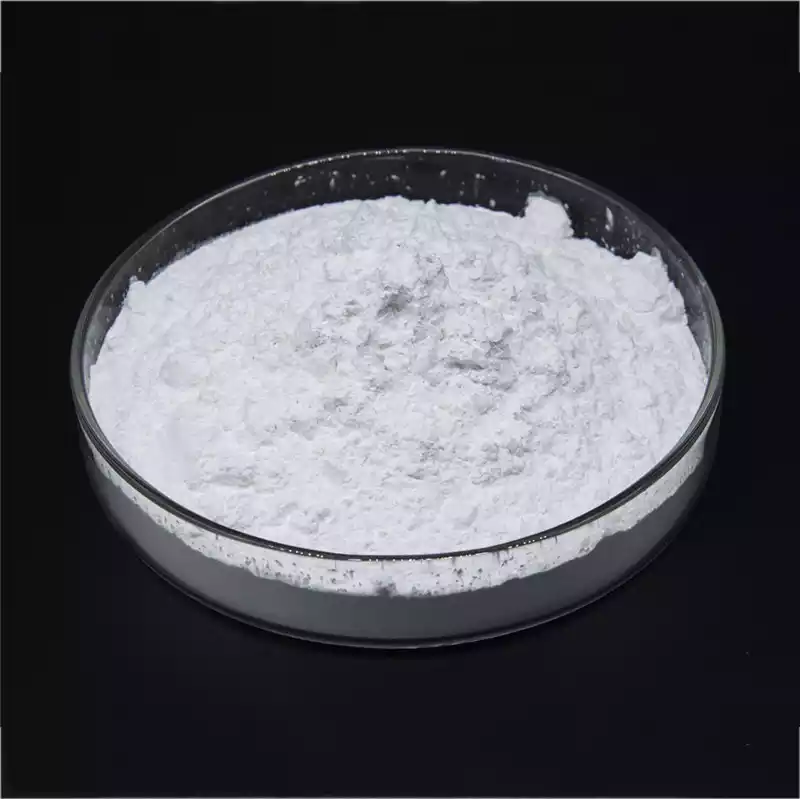

Alúmina blanca fundida con bajo contenido de sodio: grados de Na₂O para abrasivos y refractarios.

alúmina fundida blanca con bajo contenido de sodio Se utiliza cuando la formulación estándar de WFA contiene más Na₂O del que puede aceptar una formulación abrasiva, refractaria o cerámica.
HONREL suministra alúmina fundida blanca de alta pureza y bajo contenido en sodio, con un contenido de Al₂O₃ del 99,70 al 99,99 % y un contenido de Na₂O controlado entre el 0,01 y el 0,20 %.
La cuestión de la compra no es simplemente si un menor contenido de sodio es mejor, sino cuánto Na₂O puede aceptar su aplicación sin tener que pagar por una especificación innecesaria.
Tabla de contenido
¿Por qué reducir el Na₂O en la alúmina blanca fundida?
Durante la fusión, el Na₂O puede reaccionar con la alúmina y contribuir a la formación de β-Al₂O₃ que contiene sodio.
En comparación con la fase dominante α-Al₂O₃, la β-Al₂O₃ presenta menor dureza, densidad y punto de fusión. Por lo tanto, la reducción del sodio contribuye a preservar una mayor proporción de la estructura estable α-Al₂O₃.
Por eso, dos productos WFA con una pureza de Al₂O₃ aparentemente similar no deben tratarse como equivalentes sin comprobar el Na₂O.
| Especificación | WFA ordinario | HONREL WFA bajo en sodio |
|---|---|---|
| Al₂O₃ | <99.6% | 99,70–99,99% |
| Na₂O | 0,2–0,6% | 0,01–0,20% |
| Razón principal para seleccionar | Uso industrial general | Control más estricto del sodio y la pureza |
¿Qué grado de Na₂O necesitas?
No tiene mucho sentido comprar un grado con un contenido de sodio extremadamente bajo cuando el producto final solo requiere Na₂O ≤0,20%.
El límite correcto depende de la formulación y de los requisitos de rendimiento.
En el caso de abrasivos aglomerados y herramientas de rectificado, un menor contenido de sodio ayuda a mantener las propiedades asociadas con los granos de α-Al₂O₃ de alta pureza.
En el caso de los refractarios con alto contenido de alúmina, un control más estricto del Na₂O es relevante cuando las impurezas alcalinas y la estabilidad a altas temperaturas forman parte de las especificaciones de la materia prima.
Para cerámica especialLos compradores pueden requerir tanto una pureza de Al₂O₃ muy alta como un límite de sodio mucho más estricto.
En lugar de especificar únicamente: Blanco Alúmina fundida F46
Especificar: F46 + requisito de Al₂O₃ + máximo de Na₂O
Eso le proporciona al proveedor la información necesaria para encontrar el material adecuado.
No compare WFA solo con Al₂O₃
Por ejemplo, dos proveedores pueden ofrecer alúmina fundida blanca F46 de alta pureza, pero uno de ellos puede tener un control de sodio sustancialmente más estricto.
La mejor comparación es:
| Controlar | Por qué es importante |
|---|---|
| Al₂O₃ | Pureza general de la alúmina |
| Na₂O | Control de sodio/álcali |
| Fe₂O₃ y SiO₂ | Otros límites de impurezas |
| Tamaño de partícula | Compatible con la formulación o el producto abrasivo. |
| consistencia del COA | Repetibilidad entre envíos |
Esto es especialmente importante al evaluar un segundo proveedor para una línea de producción existente.
Reemplazando su WFA bajo en sodio actual
Si ya utiliza alúmina blanca fundida con bajo contenido de sodio, envíe a HONREL la información actual. Certificado de análisis (COA), ficha técnica (TDS) o especificación de compra..
No es necesario rediseñar las especificaciones del material.
HONREL puede comparar lo requerido:
Na₂O → Al₂O₃ → otras impurezas → tamaño de partícula
frente a su WFA de alta pureza y bajo contenido en sodio disponible.
Esto resulta útil para evaluar una fuente alternativa de materia prima sin modificar innecesariamente la formulación abrasiva o refractaria existente.
Tamaños de grano disponibles
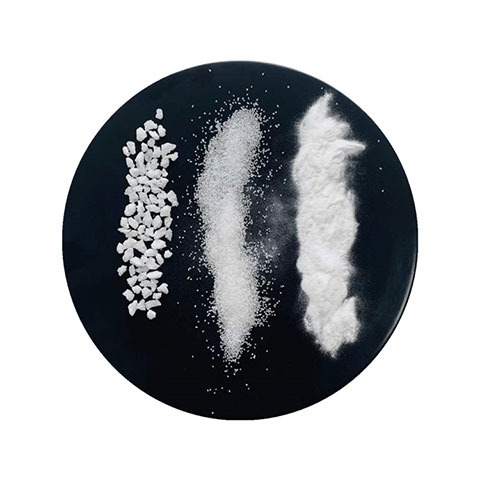
HONREL suministra abrasivos estándar de grano F de F4 a F220, abarcando grados WFA desde gruesos hasta finos.
También se pueden analizar diferentes distribuciones de tamaño de partícula para aplicaciones refractarias y otras aplicaciones industriales.
Para un producto ya existente, proporcione la especificación actual del grano junto con los requisitos químicos, en lugar de seleccionar el tamaño de partícula independientemente de la composición química.

Solicitar una especificación WFA de bajo contenido en sodio
Si ya sabes lo que necesitas, envíalo a HONREL:
Límite de Na₂O + requisito de Al₂O₃ + tamaño de partícula + cantidad
Si va a reemplazar un material existente, simplemente envíe el certificado de análisis (COA) o la ficha técnica (TDS) vigente.
HONREL suministra alúmina fundida blanca con bajo contenido de sodio Na₂O de 0,01–0,20% y Al₂O₃ de 99,70–99,99% Para aplicaciones abrasivas, refractarias y otras aplicaciones de alta pureza.
HONREL normalmente responde a consultas dentro 30 minutos con una especificación y un presupuesto que coincidan.
Preguntas frecuentes
¿Qué se considera alúmina blanca fundida con bajo contenido de sodio?
Se especifica WFA de alta pureza y bajo contenido de sodio dentro de 0,01–0,20% Na₂O, en comparación con los niveles más altos de sodio que se encuentran en el WFA común.
¿Es siempre necesario utilizar el grado más bajo de Na₂O?
No. Seleccione el límite de sodio requerido para el producto final. Utilizar una especificación mucho más estricta de lo necesario puede no ofrecer ningún beneficio práctico.