
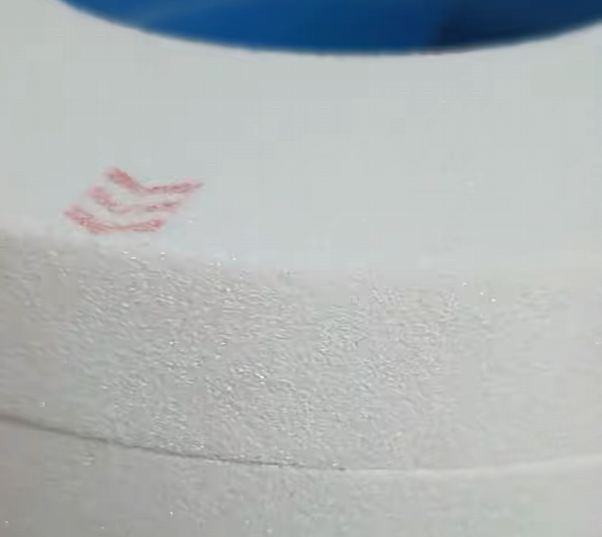
White Fused Alumina Grit Selection for Grinding Wheel Manufacturers

For many vitrified wheels used on hardened steel, high-speed steel and tool steel, F46–F80 white fused alumina is the practical range to evaluate first. F100–F220 is more suitable when surface finish and dimensional control matter more than stock removal. F16–F36 provides larger cutting points and chip clearance for heavier grinding, although tougher alumina may be more economical in severe duty.
Choosing white fused alumina (WFA) for grinding wheel production still involves more than selecting an F-grit size. Even when two materials carry the same designation, differences in particle-size distribution, grain shape, bulk density and chemical composition can affect mixing, pressing, firing and grinding performance.
For grinding wheel manufacturers, the correct abrasive grade depends on the workpiece, stock-removal target, bond system and required finish. A grade that performs well in a vitrified wheel may not produce the same result in a resin-bonded formulation.
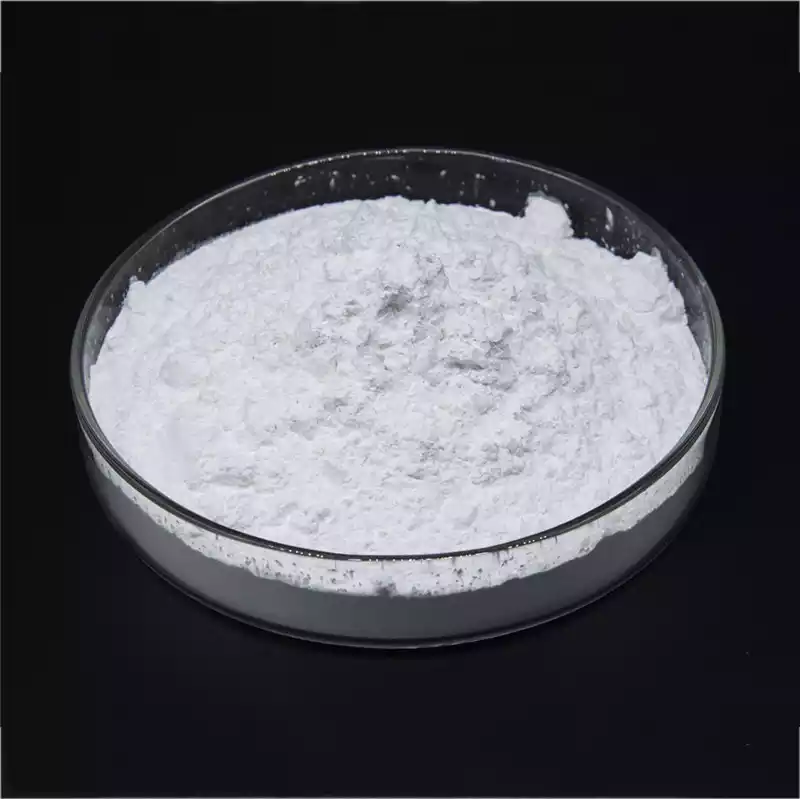
Suministros HONREL white fused alumina abrasive grains for bonded abrasive production. This guide explains how to select a starting FEPA F-grit, write a useful purchasing specification and qualify a replacement WFA grade without making unnecessary changes to an approved wheel formula.
Tabla de contenido
F46–F80 Is the Starting Range for Many Hardened-Steel Grinding Wheels
Coarser grains provide larger cutting points and more chip space. Finer grains create more cutting edges and reduce scratch depth, but they can also increase rubbing if the wheel face stops cutting freely.
The ranges below are starting points for wheel development, not fixed industry rules. Contact area, infeed, wheel grade, structure, speed, dressing and coolant supply can change the final selection.
| Grinding requirement | Starting WFA range | Why it may fit | What to verify before ordering |
|---|---|---|---|
| Retirada de grandes cantidades de mercancía | F16–F36 | Larger cutting points and open chip clearance | Confirm that friable WFA is preferable to tougher brown or semi-friable alumina |
| Toolroom, surface and cylindrical grinding | F46–F80 | Balances cutting rate, form control and finish | Workpiece hardness, contact area, wheel grade and dressing interval |
| Fine grinding | F100–F150 | More cutting points and a shallower scratch pattern | Top-size control, loading tendency and required material-removal rate |
| Precision finishing | F180–F220 | Reduces scratch depth for small stock removal | Particle distribution, contamination control and target surface finish |
| Fine-grit bonded wheels | F230–F2000 | Covers bonded-abrasive microgrits | Applicable FEPA/ISO method, particle-size report and whether the process really requires a microgrit |
A finer grit does not automatically solve grinding burn. If the wheel is glazing, too hard, poorly dressed or short of coolant, moving to a finer abrasive can create more rubbing and heat.
For troubleshooting burn, random scratches and low stock removal, see White Fused Alumina for Precision Grinding and Surface Finishing.
The Purchase Order Must State FEPA F-Grit, Not Just “60 Grit”
FEPA assigns F-grits to bonded abrasives y P-grits to coated abrasives. F60, P60 and “60 mesh” therefore cannot be treated as equivalent descriptions.
FEPA 42-1 covers macrogrits F4–F220 for bonded abrasive grains. For microgrits, ISO 8486-2(www.iso.org/standard/42206.html) specifies the determination and designation of fused aluminum oxide and silicon carbide from F230 to F2000. The coarse and fine ranges do not use one identical test approach.
The purchase order should state:
- Abrasive type
- FEPA F-grit designation
- Applicable standard or agreed test method
- Required particle-size distribution
- Inspection document required with the shipment
This prevents a supplier from treating a mesh number, P-grit or custom micron grade as an automatic substitute for the approved F-grit.
White Fused Alumina Is Best Suited to Free-Cutting Wheels for Hardened Steel
WFA is relatively friable. Worn cutting points fracture and expose new edges when the bond and wheel structure release them correctly. This behaviour suits hardened carbon steel, high-speed steel, bearing steel and tool steels such as D2 or SKD11.
White aluminum oxide abrasive can also be used for stainless steel when a clean cutting action and low iron contamination matter. It should not be described as the best choice for every stainless or titanium operation. Ductile alloys can load the wheel, and severe grinding may require a tougher alumina, an engineered grain, a different structure or a blended abrasive.
For heavy grinding of cemented carbide and advanced ceramics, silicon carbide, diamond or cBN may be more suitable. WFA may still appear in light finishing or an established blended formulation, but high Mohs hardness alone is not a sufficient selection basis.
Vitrified Wheels Need Firing Consistency; Resin Wheels Need Grain Retention
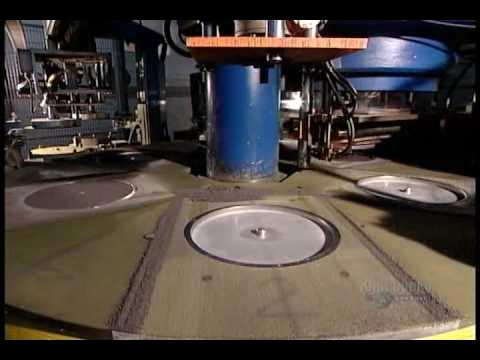
In a vitrified wheel, particle distribution and bulk density influence packing and mould fill. Chemistry may also affect colour, firing behaviour and interaction with the bond. A change in the fine fraction or Na₂O level can alter the result even when the nominal grit stays the same.
Low-sodium WFA should therefore be specified when the approved bond system or firing process requires tighter Na₂O control, not as a universal upgrade. HONREL lists full-size availability, customised grading, batch test reports and samples for its low-sodium white corundum. Confirm the exact documentation and sample availability for the required grade when submitting the enquiry.
In a resin-bonded grinding wheel, grain retention and surface condition require more attention. The buyer should confirm whether the existing formula uses untreated WFA or a surface-treated grain. A change in grain treatment can affect resin wetting, mixing and grain pull-out even when the chemistry and F-grit appear equivalent.
Five Material Specifications Determine Whether the Wheel Stays Consistent
Particle-Size Distribution Controls Cutting Points and Porosity
An F-grit represents a distribution, not one particle diameter. Oversized grains can produce isolated deep scratches. Excess fines can change bond demand, close the wheel structure and alter mould fill.
The supplier should report the agreed coarse, basic and fine fractions rather than placing only the nominal grit on the packing list.
Grain Shape Changes Both Cut and Packing
Sharper grains can produce a more aggressive initial cut. More blocky grains may pack differently and alter grain-to-bond contact. A visible change in shape should be qualified before full production.
Bulk Density Must Be Compared at the Same Grit
Bulk density affects batch volume, mould filling and apparent wheel structure. It has no useful universal acceptance range across all WFA sizes. Compare the proposed material with the approved abrasive at the same grit and using the same test method.
Chemistry Must Match the Bond and Customer Requirement
Al₂O₃ purity is important, but Na₂O, Fe₂O₃ and SiO₂ may also influence colour, high-temperature behaviour and contamination-sensitive grinding. The limits should come from the wheel formulation and customer specification.
Magnetic Material and Handling Affect Cleanliness
Metallic contamination can create visible defects and cause problems in precision products. Magnetic separation, clean packing and warehouse segregation become important when a factory handles several abrasive types.
A WFA Purchase Specification Should Contain More Than Chemistry
| Purchase specification | Reason for including it |
|---|---|
| Abrasive type | Defines white fused alumina, white corundum or white aluminum oxide abrasive |
| FEPA F-grit | Identifies the bonded-abrasive size designation |
| Applicable standard | Prevents substitution with P-grit, mesh or an unrelated micron grade |
| Particle-size distribution | Controls oversized particles, basic fraction and fines |
| Al₂O₃ and impurity limits | Matches purity, firing and contamination requirements |
| Na₂O limit | Identifies whether standard or low-sodium WFA is required |
| Bulk density and test method | Supports repeatable batching, pressing and wheel structure |
| Grain shape or approved sample | Reduces performance shifts during supplier replacement |
| Magnetic-material limit | Controls metallic contamination where required |
| Packaging and moisture protection | Protects flowability and warehouse cleanliness |
| Required documents | States whether the order needs a COA, particle-size result or other agreed report |
The required document list should be confirmed with HONREL for the selected grade before it is written into the purchase contract.
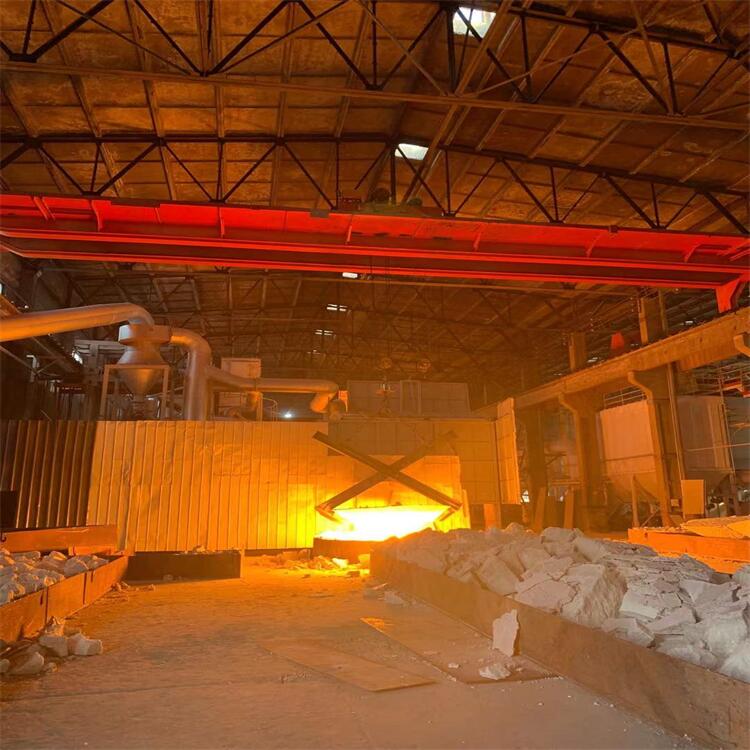
Request a WFA Grade Match From HONREL
HONREL can determine whether the existing WFA grade serves as a suitable benchmark and confirm which samples, specifications, and inspection documents can be provided for the inquiry.
View HONREL’s wider materiales abrasivos y refractarios rango o Contactar con HONREL with the existing abrasive specification to begin a grade comparison.
Preguntas frecuentes
Can F60 From Two WFA Suppliers Be Used Without a Production Trial?
Not safely. Both products may meet the nominal F60 designation while differing in distribution, grain shape, bulk density, chemistry or surface condition. Compare the material data and run a controlled pilot wheel before production approval.
When Should a Grinding Wheel Manufacturer Specify Low-Sodium WFA?
Specify it when the bond chemistry, firing cycle, wheel colour or customer requirement places a defined limit on Na₂O. Low sodium should solve a stated formulation requirement rather than serve as a general purchasing slogan.
What Information Is Needed to Match an Existing WFA Grade?
Provide the current F-grit, applicable standard, particle-size results, chemistry, bulk density, bond type and wheel duty. A retained sample and current COA make the comparison more reliable.