
암모니아 합성 촉매 가격: 등급, 사양 및 대량 주문

암모니아 합성 촉매에 대해 모든 경우에 적용 가능한 단일 가격은 없습니다. 플랜트 구매자에게 있어 진정한 질문은 촉매 변환기에 필요한 촉매의 양, 초기 가동 계획에 적합한 등급, 그리고 가동에 필요한 총 비용이 얼마인지입니다.
그렇기 때문에 산업용 견적은 일반적으로 톤당 가격이 아닌 촉매 등급, 입자 크기, 공급 상태, 적재량 및 납품 조건을 기준으로 책정됩니다.
Honrel은 공급합니다 HA201-2 산화됨 그리고 HA201-2-H 사전 환원 암모니아 합성 촉매 산업용 암모니아 공장에 적합한 다양한 입자 크기로 제공됩니다.
암모니아 합성 촉매 견적을 결정하는 요소는 무엇입니까?
주요 비용 결정 요인은 명확합니다. 촉매 등급, 입자 크기, 필요 투입량, 주문량, 포장 및 배송 조건입니다.
하지만 구매자는 단가 외에도 다른 요소들을 고려해야 합니다.
암모니아 변환기는 다음으로 채워집니다. 침대 용량단순히 정해진 톤수를 구매하는 것만으로는 충분하지 않습니다. 따라서 부피 밀도는 동일한 사용 가능한 공간에 필요한 자재의 양에 영향을 미칩니다.
공급되는 촉매의 상태 또한 중요합니다. 산화된 촉매는 현장에서 환원 처리가 필요하지만, 사전 환원된 촉매는 활성화 작업을 줄이고 정상 생산으로 복귀하는 데 걸리는 시간을 단축할 수 있습니다.
실제로 등급이나 부피 밀도가 다른 두 견적은 둘 다 킬로그램당 또는 톤당 가격을 표시한다고 해서 직접적으로 비교할 수 없습니다.
HA201-2 vs HA201-2-H
Honrel은 식물의 다양한 요구 사항에 맞춰 두 가지 등급을 제공합니다.
HA201-2 이 촉매는 산화철-코발트 이중 활성 촉매입니다. 시운전 또는 정비 기간 동안 촉매 환원 절차를 완전히 수행할 수 있는 설비에 적합합니다.
HA201-2-H 이 제품은 사전 환원 처리되어 공급됩니다. 활성화 과정에서 물 생성량이 상당히 적고 시동 주기가 더 짧습니다. 이는 가동 중단 시간이 촉박하여 공장이 합성 루프를 최대한 빨리 재가동해야 하는 경우에 중요한 요소가 될 수 있습니다.
물리적 특성 또한 서로 다릅니다.
| 사양 | HA201-2 | HA201-2-H |
|---|---|---|
| 제공된 상태 | 산화된 | 사전 감가상각 |
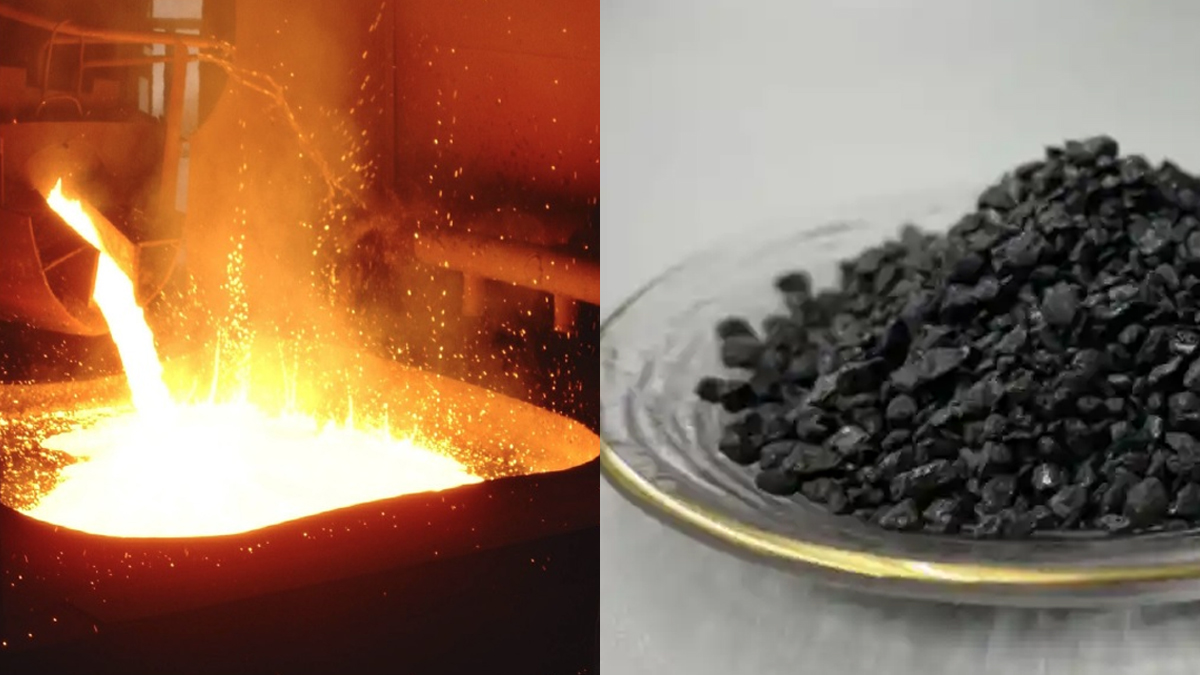
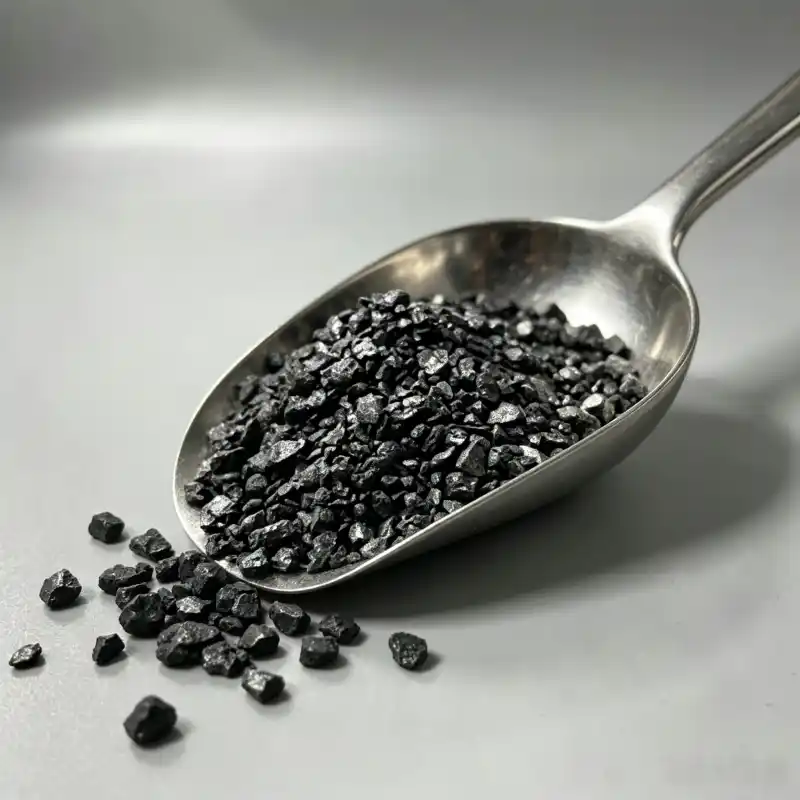
| 모습 | 불규칙한 검은색 입자 | 은회색의 불규칙한 입자 |
| 입자 크기 | 1.5~13.0mm, 다양한 등급 | 1.5~13.0mm, 다양한 등급 |
| 부피 밀도 | 2.9–3.2 kg/L | 2.2~2.5kg/L |
| 입자 밀도 | 3.8–4.2 kg/L | 2.8–3.2 kg/L |
| 골격 밀도 | 7.2–7.6 kg/L | 7.2–7.6 kg/L |
| 다공성 | 약 45% | 약 45% |
| 현장 감축 | 필수의 | 활성화 요구 사항 감소 |
전체 내용을 보려면 클릭하세요 Honrel 암모니아 합성 촉매 등급을 선택하기 전에 사양을 확인하세요.
톤당 가격이 오해를 불러일으킬 수 있는 이유
이는 암모니아 촉매 공급업체를 비교할 때 가장 흔히 저지르는 실수 중 하나입니다.
산업용 촉매 변환기는 촉매층 부피가 고정되어 있습니다. 따라서 필요한 촉매량은 투입된 촉매의 총 밀도와 밀접한 관련이 있습니다.
촉매 전하량 ≈ 사용 가능한 반응기 부피 × 하전된 벌크 밀도
발표된 산업 연구 결과도 같은 점을 시사합니다. 상용 뷔스티트 및 마그네타이트 기반 암모니아 합성 촉매를 비교한 연구에서는 동일한 1.5~3mm 입자 범위에서 각각 3.25g/cm³ 및 2.85g/cm³의 부피 밀도를 보고했습니다. 연구진은 산업용 반응기는 일반적으로 사용 가능한 부피에 따라 채워지기 때문에 단위 부피당 촉매 성능이 특히 중요하다고 지적했습니다.
동일한 구매 논리가 Honrel 등급에도 적용됩니다.
HA201-2는 부피 밀도가 다음과 같습니다. 2.9–3.2 kg/L반면 HA201-2-H는 2.2~2.5kg/L.
따라서 산화된 원료를 환원 처리된 원료로 교체할 때는 기존 원료량을 그대로 주문하지 마십시오. 전로의 용적을 확인하고 새 원료에 필요한 원료량을 계산해야 합니다.
무엇을 비교할까요?
| 견적 항목 | 왜 중요한가 |
| 촉매 등급 | 동일한 제품을 비교하고 있음을 확인시켜 줍니다. |
| 산화되었거나 사전 환원된 | 시작 요건을 변경합니다 |
| 입자 크기 | 변환기 및 침대 요구 사항을 충족해야 합니다. |
| 부피 밀도 | 필요한 충전량에 영향을 미칩니다. |
| 침대 용량 | 실제로 필요한 수량을 계산하는 데 도움이 됩니다. |
| 총 요금 | 단가만 보는 것보다 더 유용한 정보 |
| 포장 | 취급 및 물류에 영향을 미칩니다. |
| 배송 조건 | 변경된 착륙 비용 |
| 리드 타임 | 가동 중단 및 정비 계획에 중요합니다. |
| 기술 문서 | 사양 승인 및 구매에 필요합니다. |
톤당 견적이 더 저렴하더라도 사양, 필요한 적재량 또는 시운전 요구 사항이 다르면 총비용이 더 높아질 수 있습니다.
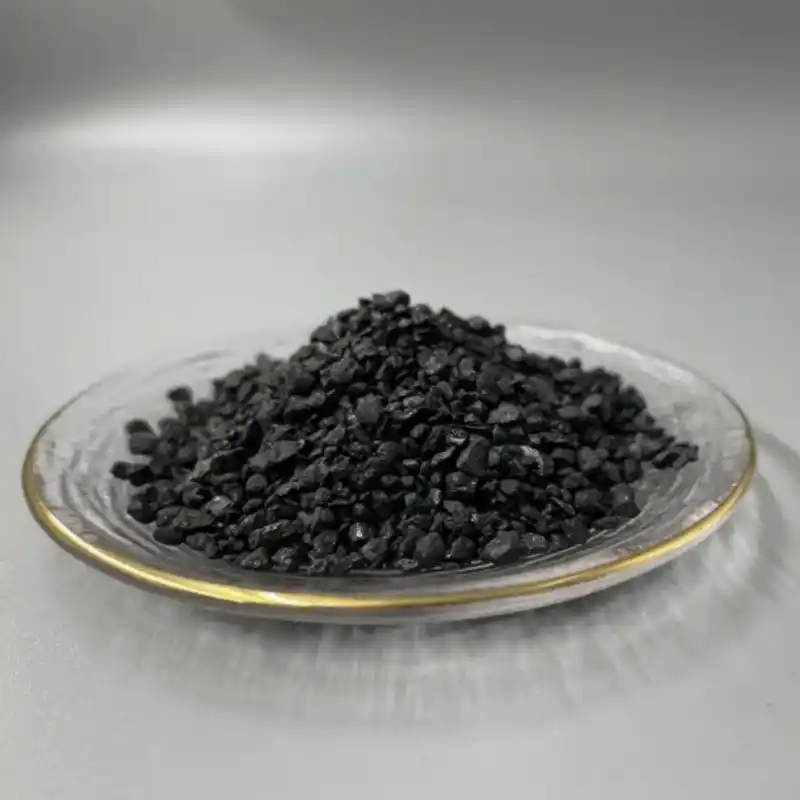
입자 크기는 구매 사양의 일부입니다.
"암모니아 합성 촉매"라는 정보만으로는 구매 주문을 하기에 충분하지 않습니다.
Honrel은 6가지 입자 크기 범위를 제공합니다.
1.5–3.0, 2.2–3.3, 3.3–4.7, 4.7–6.7, 6.7–9.4 및 9.4–13.0 mm.
입자 크기는 변환기 설계, 베드 배열 및 압력 강하 요구 사항과 관련이 있습니다. 입자가 작을수록 기체-고체 접촉이 개선되지만 베드 저항이 증가할 수 있으며, 입자가 클수록 일반적으로 압력 강하가 감소합니다.
촉매 교체를 위해서는 기존 촉매의 모델명, 입자 크기, 베드 부피 및 투입 기록을 Honrel에 보내는 것이 가장 안전한 방법입니다. 이를 통해 양측은 교체 사양을 명확하게 확인할 수 있습니다.
산화형 또는 사전 환원형: 시동 과정도 살펴보세요
촉매 변환기 교체 비용에서 구매 가격은 단지 일부분일 뿐입니다.
일반적인 산화된 원료는 정상적인 암모니아 생산 전에 환원 과정을 거쳐야 합니다. 이는 환원 시간, 수분 제거 및 시운전 중 추가 작업이 필요함을 의미합니다.
사전 환원된 재료는 이러한 작업의 상당 부분을 상류 단계로 이동시킵니다.
Honrel의 HA201-2-H는 출하 전에 사전 환원 처리됩니다. 제품 사양에 따르면 환원에 사용되는 물의 양은 약 100%입니다. 기존 산화 암모니아 합성 촉매로 생산되는 양의 10%명시된 초기 운영 기간은 약 2년입니다. 4분의 1에서 5분의 1까지 기존 산화 경로의 경우.
정상화 팀에게 있어 그러한 차이는 상업적으로 중요한 의미를 가질 수 있습니다. 변환기 로딩과 안정적인 생산 사이의 간격이 하루라도 길어지면 가동 중단 일정에 영향을 미칩니다.
이것이 바로 조달과 운영을 비교해야 하는 이유입니다. 총 시작 요구 사항촉매 구매 비용뿐만이 아닙니다.
| 구매 고려 사항 | 산화된 HA201-2 | 사전 환원된 HA201-2-H |
| 현장 전체 할인 | 예 | 아니요 |
| 감소 - 물 부하 | 더 높은 | 낮추다 |
| 시동 주기 | 더 길게 | 더 짧은 |
| 부피 밀도 | 더 높은 | 낮추다 |
| 가장 적합한 | 확립된 감축 절차 | 빠른 처리 시간 / 신속한 재시작 |
주문하기 전에 적재 기준을 확인하십시오.
촉매 투입량 또한 구매 실수가 큰 비용으로 이어지는 또 다른 영역입니다.
암모니아 합성 촉매 교체에 대한 업계 지침에서는 촉매 투입 시 부피 밀도를 확인해야 한다고 명시하고 있습니다. 발표된 지침에서는 대략적인 값을 제시하고 있습니다. 2,800 kg/m³ 산화 촉매의 일반적인 변환기 설계 기준으로서, 사전 환원된 물질은 다음과 더 가까울 수 있습니다. 2,200 kg/m³.
교체 비용을 확인하려면 다음 사항을 확인하십시오.
베드 부피 → 선택된 등급 → 입자 크기 → 부피 밀도 → 필요한 투입량
이는 지난번 구매 주문서에서 톤수를 복사하는 것보다 더 신뢰할 수 있는 방법입니다.
대량 문의에는 무엇을 포함해야 할까요?
좋은 견적 요청서(RFQ)는 길 필요가 없습니다.
기존 촉매 모델 또는 필요한 모델을 보내주세요. HA201 등급입자 크기, 변환기 베드 용량 또는 필요한 수량, 목적지 및 예정 배송일.
촉매 교체 프로젝트의 경우 기존 촉매 사양 및 투입 기록이 유용합니다. 신규 암모니아 설비의 경우 변환기 사양이 더 나은 출발점이 됩니다.
Honrel은 상업 견적서를 발행하기 전에 사용 가능한 등급과 공급 사양을 확인할 수 있습니다.
다른 리뷰도 확인하실 수 있습니다. 산업용 촉매 또는 Honrel의 웹사이트를 둘러보세요. 완벽한 제품군 동일한 프로젝트를 위해 여러 자재를 조달할 때.
가격은 사양과 일치할 때만 의미가 있습니다.
암모니아 합성 촉매 가격이 낮다고 하더라도, 두 견적이 서로 다른 공급 조건, 입자 크기 또는 투입량에 기반한 것이라면 큰 의미가 없습니다.
구매팀에게 더 적합한 비교 대상은 다음과 같습니다.
정확한 사양 + 총 촉매량 + 시동 요구 사항 + 납품
이를 통해 운영 및 구매 부서는 제안을 평가하는 공통 기준을 갖게 됩니다.
Honrel은 산업용 암모니아 생산을 위해 HA201-2 및 HA201-2-H를 공급하며, 신규 프로젝트 및 촉매 교체를 위한 다양한 입자 크기 옵션을 제공합니다.
방문하다 혼렐 보다 폭넓은 화학 소재 포트폴리오를 위해, 또는 Honrel 팀에 문의하세요 대량 견적을 받으시려면 촉매 사양, 반응기 용량 및 목적지를 알려주십시오.
자주 묻는 질문
암모니아 합성 촉매 가격은 어떻게 계산되나요?
산업용 견적은 등급, 공급 상태, 입자 크기, 수량, 포장 및 배송 조건에 따라 달라집니다. 변환기 투입의 경우, 견적을 비교하기 전에 벌크 밀도와 사용 가능한 베드 용량도 고려해야 합니다.
암모니아 촉매 공급업체를 톤당 가격으로 비교해야 할까요?
가격만으로 판단해서는 안 됩니다. 견적서에 사용된 촉매 종류, 입자 크기, 공급 상태 및 투입 기준이 동일한지 확인하십시오. 톤당 가격만 보는 것보다 총 비용이 더 유용합니다.
HA201-2와 HA201-2-H의 차이점은 무엇인가요?
HA201-2는 산화된 형태로 공급되며 현장에서 환원 작업이 필요합니다. HA201-2-H는 사전 환원된 형태로 제공되어 활성화 작업, 폐수 배출량 및 시동 시간을 단축하도록 설계되었습니다.
Honrel은 어떤 입자 크기를 공급합니까?
표준 범위는 1.5~3.0mm, 2.2~3.3mm, 3.3~4.7mm, 4.7~6.7mm, 6.7~9.4mm 및 9.4~13.0mm입니다.
사전 환원 촉매로 교체할 경우에도 동일한 톤수를 주문할 수 있나요?
그렇게 가정하지 마십시오. HA201-2와 HA201-2-H는 부피 밀도가 다릅니다. 사용 가능한 촉매층 부피를 확인하고 선택한 등급을 사용하여 필요한 투입량을 계산하십시오.
견적을 받으려면 Honrel에게 무엇을 보내야 할까요?
신속한 기술 및 상업적 검토를 위해 필요한 등급 또는 기존 촉매 모델, 입자 크기, 촉매층 부피 또는 수량, 목적지 및 필요한 납품 일정을 보내주십시오.