
Ammonia Synthesis Catalyst Supply Agreements for Fertilizer Producers

For a fertilizer producer, an ammonia synthesis catalyst supply agreement should control more than the product name, order weight and unit price. It should connect the converter duty with catalyst condition, particle size, batch acceptance, delivery timing and the responsibilities surrounding loading and activation.
These points need to be confirmed before production and shipment. Otherwise, a technically acceptable catalyst may arrive in the wrong quantity, miss the turnaround window or require an activation plan that the plant has not prepared for.
HONREL supplies iron-cobalt ammonia synthesis catalyst in oxidised and pre-reduced forms for new charges and scheduled converter replacements. Several particle-size ranges are available, but the final supply specification must be based on the actual ammonia converter.
Table of Contents
Start with the Converter Specification
Before purchase Ammonia synthesis catalyst, the buyer and supplier need a common technical basis. The existing catalyst record is useful, but it must be checked against the present converter duty, bed condition and turnaround objective.
| Agreement item | Information to confirm | Purchasing consequence |
|---|---|---|
| Converter configuration | Licensor or design, flow direction, number of beds and usable bed volume | Determines whether the proposed catalyst can be assessed for the actual converter |
| Current catalyst | Grade, supplied condition, particle size, previous loaded mass and final bed height | Establishes the replacement reference |
| Operating duty | Normal pressure, inlet and bed temperatures, gas rate and loop composition | Defines the conditions under which product suitability is reviewed |
| Particle size | Current range, support-screen limits and allowable bed pressure drop | Affects gas flow, bed resistance and available activity |
| Required charge | Usable bed volume and confirmed bulk-density basis | Determines order quantity and prevents copying an unsuitable historical tonnage |
| Batch acceptance | TDS, lot-specific COA, agreed test methods and required inspection documents | Defines how the delivered batch will be approved |
| Project schedule | Specification-freeze date, required site date, destination and planned loading date | Determines production, documentation and shipment timing |
| Site responsibilities | Storage, screening, loading, nitrogen supply, activation and start-up procedures | Prevents gaps between delivery and commissioning |
Particle Size Is a Converter Decision
HONREL provides particle ranges of 1.5–3.0, 2.2–3.3, 3.3–4.7, 4.7–6.7, 6.7–9.4 and 9.4–13.0 mm. Availability does not mean every range is suitable for every converter.
Smaller particles provide shorter diffusion paths and more external surface, but they can also increase bed resistance. Larger particles generally reduce pressure drop but may change volume activity and the temperature profile through the bed.
The current proven size should normally be the starting reference for a replacement. Any change should be reviewed against converter flow direction, gas velocity, bed depth, support screens and allowable pressure drop.
Plants that have experienced rising differential pressure should first review the existing pressure drop, fines and bed-loading history. A different catalyst name will not correct damaged internals, poor distribution or an unsuitable loading method.
Calculate the Charge from Bed Volume
The previous purchase-order weight is a reference, not an automatic reorder quantity. Contact us for an initial reliability calculation
The result should then be reconciled with the previous loaded mass, final bed height and any material left after loading.
This check becomes especially important when changing between oxidised and pre-reduced catalyst. HONREL’s published bulk-density ranges are 2.9–3.2 kg/L for the oxidised material and 2.2–2.5 kg/L for the pre-reduced material.
The same available bed volume can therefore require a different order weight. Repeating the old tonnage without checking the selected grade can lead to excess material or an incomplete charge.
Oxidised and Pre-Reduced Supply Conditions
The supplied condition affects more than catalyst activation.
An oxidised catalyst requires controlled reduction after loading. It is relevant when the plant has sufficient time, utilities and an established reduction procedure.
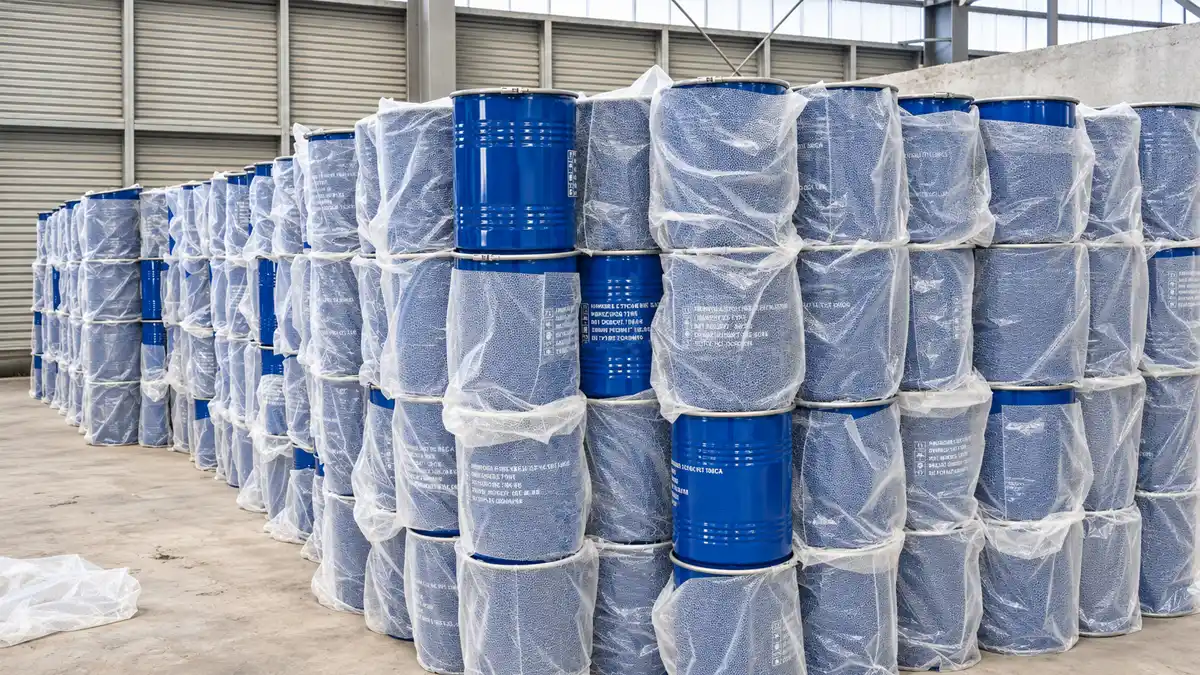
A pre-reduced catalyst reduces the amount of activation work required on site. It may be more relevant when the turnaround window is short, but its storage, handling, transport and loading requirements must be reviewed before the purchase order is released.
The agreement should state which condition is being supplied, the approved activation basis, required documentation and any handling restrictions. The transport route should only be selected after the applicable SDS and shipping classification have been confirmed.
Plants can compare HONREL’s oxidised and pre-reduced ammonia synthesis catalyst supply options before freezing the grade.
Define Batch Acceptance Before Production
The supply agreement should identify which parameters are guaranteed, which results will appear on the COA and which test methods apply. The lot number on the COA should correspond with the batch and package identification supplied to the plant.
Relevant acceptance items may include particle-size distribution, bulk density, physical condition, agreed chemical results, activity results and reduction-related data for a pre-reduced grade.
Activity values cannot be compared properly without the test conditions. Temperature, pressure, space velocity, gas composition and reduction procedure all influence the result. A higher reported outlet-ammonia value does not prove that one catalyst will deliver the same advantage in a different plant or under a different test method.
Build the Delivery Schedule Backwards
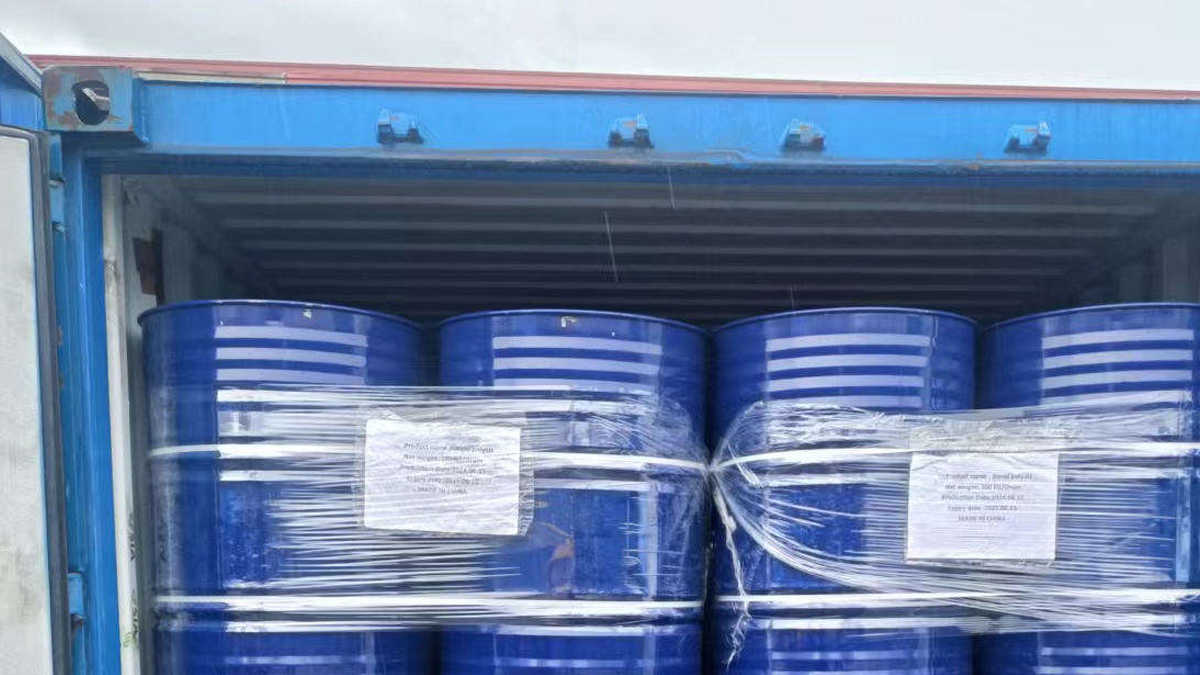
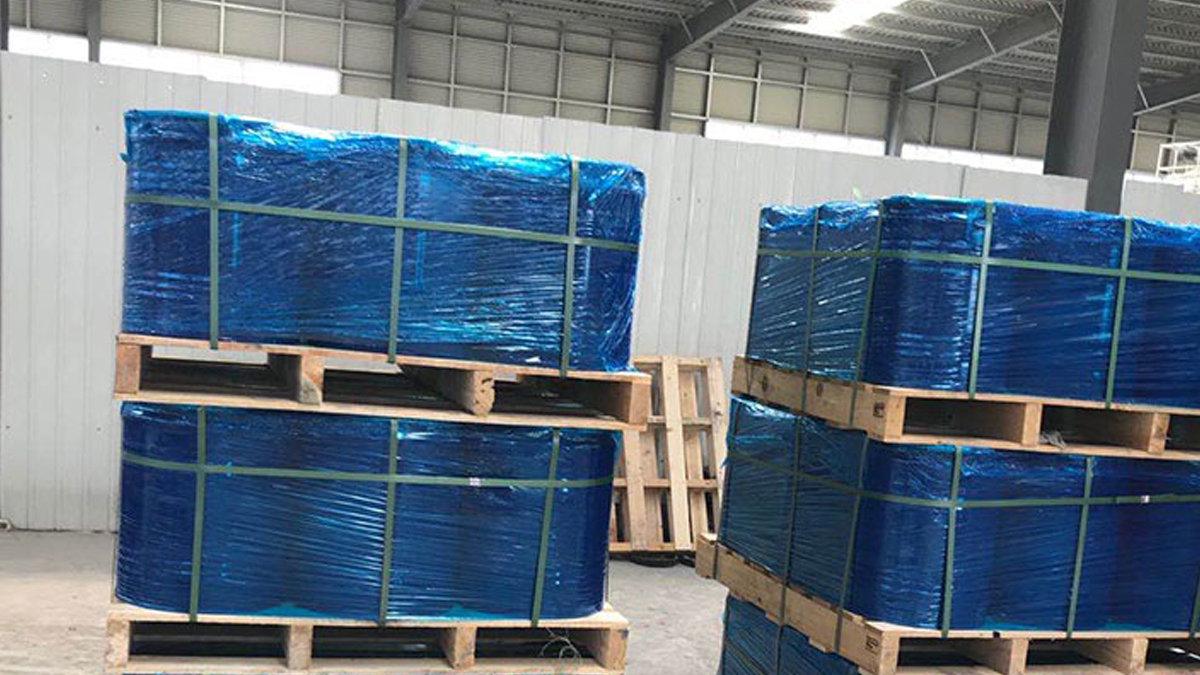
The schedule needs time for technical confirmation, specification approval, batch production, testing, document review, packing, shipment release, international transport, customs clearance and site receiving inspection.
Adequate time should also be allowed to inspect damaged packages, verify package numbers and move the catalyst into suitable storage before loading begins.
The agreement should distinguish the shipment date, estimated arrival date and required site-availability date. Incoterms, destination, packing form and document-release requirements should also be clear.
When quotations are compared, the more useful measure is the total charge and project basis, not the price per tonne alone. HONREL’s article on ammonia synthesis catalyst price and bulk-order factors explains how grade, bulk density, packing and delivery terms affect a quotation.
Use Plant-Specific Technical Appendices
A fertilizer group can use one master supply agreement for commercial and administrative terms while retaining a separate technical appendix for each ammonia plant.
The master agreement can define quotation procedures, forecast intervals, document formats, batch traceability, packing requirements, deviation handling and communication responsibilities.
If you plans future replacements, the forecast should identify expected quantities and timing by plant. The final specification should still be reconfirmed before each production batch is released.
Prepare a Technical Supply Request
For a new plant, send the converter specification, required particle size, bed volumes, operating basis, project destination and planned commissioning date.
For a replacement, send the current TDS or COA, supplied condition, particle size, previous loading weight, final bed height, converter type, number of beds, operating pressure and the required site date.
Include any specific documentation, packing, inspection or pre-shipment approval requirements. If the replacement follows a performance or pressure-drop problem, add the relevant operating trend and loading history.
HONREL can compare this information with its available ammonia synthesis catalyst manufacturing and supply range before preparing a technical and commercial proposal.
Contact HONREL with the existing catalyst specification, converter information, required quantity or bed volume, destination and turnaround date.