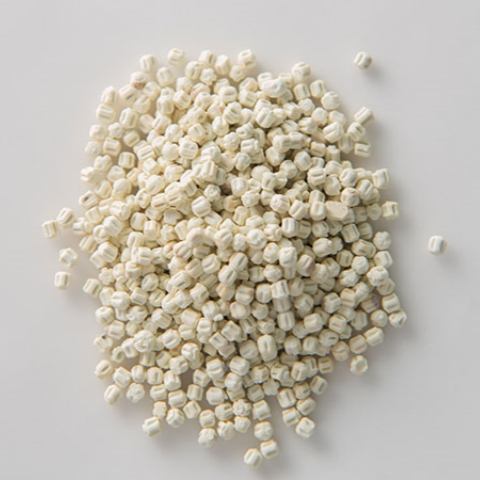

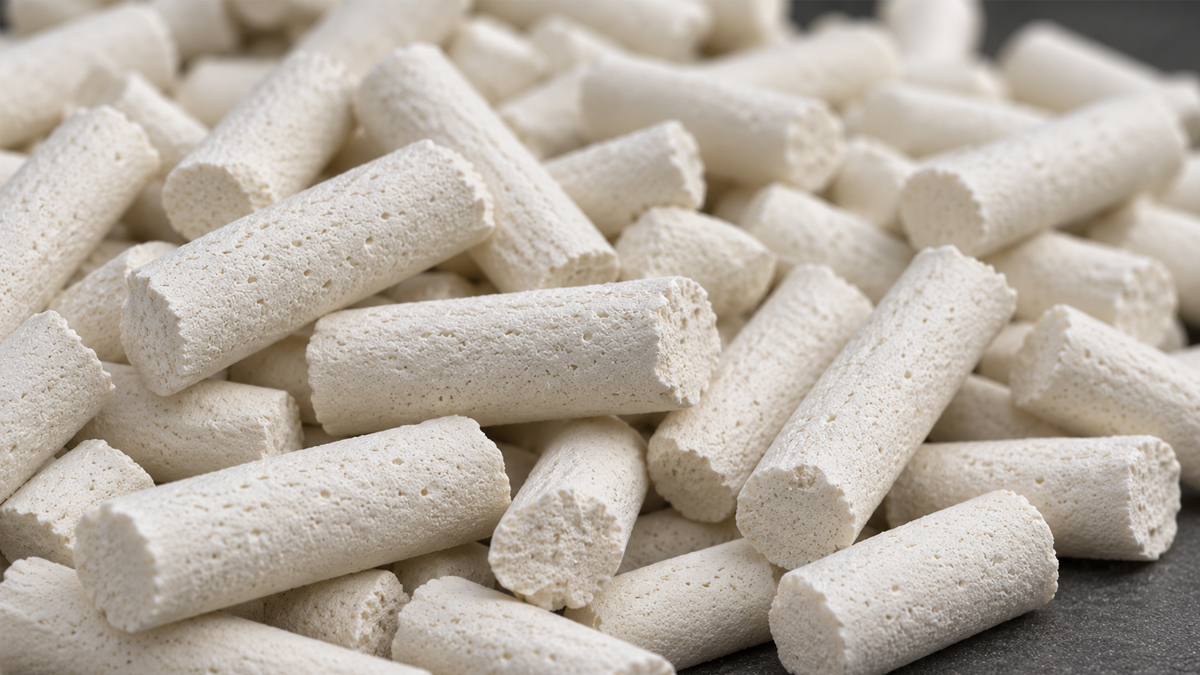
Extruded 13X Molecular Sieve Supplier for Industrial Fixed Beds

HONREL supplies extruded 13X molecular sieve for industrial fixed beds used in gas drying, carbon dioxide removal and multi impurity purification. Two cylindrical sizes are available, 1.5 to 1.7 mm and 3.0 to 3.3 mm. The correct size depends on the vessel, gas velocity, allowable pressure drop, adsorption cycle and regeneration conditions.
As an extruded 13X molecular sieve supplier, HONREL reviews more than the equilibrium adsorption number. Particle length distribution, crush strength, attrition, bulk density and packaged moisture all affect how the material arrives, loads and performs in the bed. Buyers can review the complete Molecular Sieve 13X product specification before submitting their operating data.
Where Extruded 13X Fits in an Industrial Adsorber
13X is the sodium form of X type zeolite, with an effective pore opening of about 10 angstroms. Its pore structure supports the adsorption of water, carbon dioxide and selected polar or sulfur containing compounds. HONREL supplies extruded 13X as a shaped adsorbent for direct vessel loading. Manufacturers use base powder in further formulations, so it does not substitute for a formed fixed bed product.
Common duties include air pre purification, natural gas and light hydrocarbon drying, carbon dioxide removal, hydrogen rich gas cleanup, LPG purification and solvent drying. The application still matters. Check mass transfer and mechanical demands before moving a product from a long thermal swing cycle into a rapid pressure swing cycle. The broader 13X molecular sieve applications guide explains the normal use of each product form.
Extrusion gives the particles a controlled diameter and enough physical integrity for packing, transport and repeated operation. It also introduces an engineering tradeoff. A 2023 study of 13X shaped with several 20 wt% inorganic binders reported lower surface area and pore volume than the original powder. Carbon dioxide adsorption ranged from 4.71 to 5.60 mmol/g for the shaped samples, compared with 6.02 mmol/g for the pristine zeolite. The sample with the lowest capacity in that study still offered the best combined selectivity, mechanical stability and diffusion result. These laboratory figures are not HONREL product claims. They show why buyers should judge a fixed bed grade as a formed product rather than use powder capacity alone.
Two Extrudate Sizes, Two Hydraulic Choices
HONREL lists the same first class equilibrium water and carbon dioxide capacities for both extrudate diameters. The size decision is therefore driven mainly by bed hydraulics, mass transfer, individual strip strength and the proven specification of the existing unit.
| Selection item | 1.5 to 1.7 mm extrudate | 3.0 to 3.3 mm extrudate | Procurement meaning |
|---|---|---|---|
| Rated strip length | 1 to 6 mm | 3 to 9 mm | Length distribution affects packing and void space |
| Static water adsorption, first class | At least 26.0 wt% | At least 26.0 wt% | Tested at 35°C, 75% relative humidity for 24 hours |
| Static CO2 adsorption at 25°C, first class | At least 17.5 wt% | At least 17.5 wt% | Compare suppliers only when test conditions match |
| Static CO2 adsorption at 0°C, first class | At least 19.0 wt% | At least 19.0 wt% | Type inspection and arbitration value |
| Crush strength, first class | At least 30 N per strip | At least 45 N per strip | Test direction, sample length and method should accompany the value |
| Attrition rate, first class | No more than 0.10% | No more than 0.20% | Indicates the tendency to create fragments and fines |
| Loose bulk density, first class | At least 0.61 g/mL | At least 0.61 g/mL | Used with usable bed volume to estimate loading mass |
| Rated length compliance, first class | At least 95.0% | At least 95.0% | Confirms how much of the batch falls within the stated length range |
| Moisture as packed | No more than 1.5% | No more than 1.5% | Confirms protection from moisture before delivery |
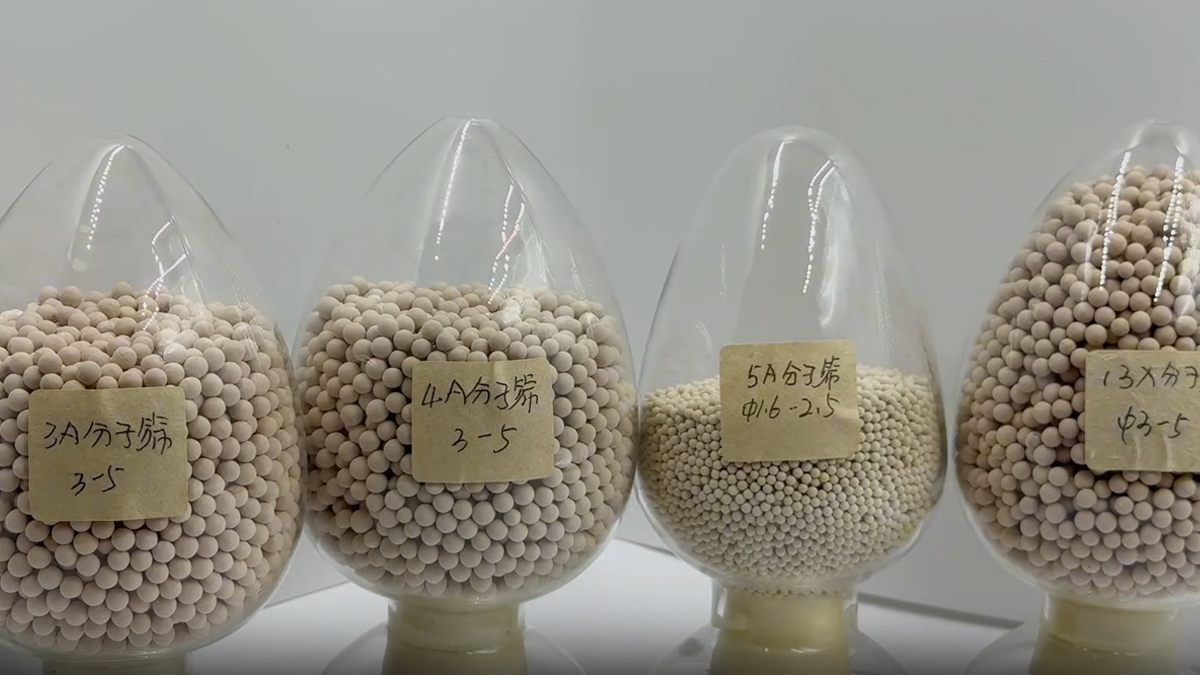
Smaller extrudates usually shorten the diffusion path and provide more external area per unit mass. That can help a short adsorption cycle use more of the equilibrium capacity. The same small particles create narrower flow passages, so the clean bed pressure drop rises more quickly as gas velocity increases or fines occupy the voids.
Larger extrudates usually reduce hydraulic resistance and provide greater strength per strip. They may suit deeper vessels or duties with limited compressor margin. Their longer diffusion path can work against a short cycle. A buyer replacing 3.0 to 3.3 mm material should not switch to 1.5 to 1.7 mm solely to obtain faster adsorption.
For air pre purification projects, see the separate analysis of 13X molecular sieve particle size, carbon dioxide capacity and pressure drop. That page addresses spherical beads as well as extrudates, while this article focuses on purchasing extruded media for industrial fixed beds.
Diameter Alone Does Not Define Pressure Drop
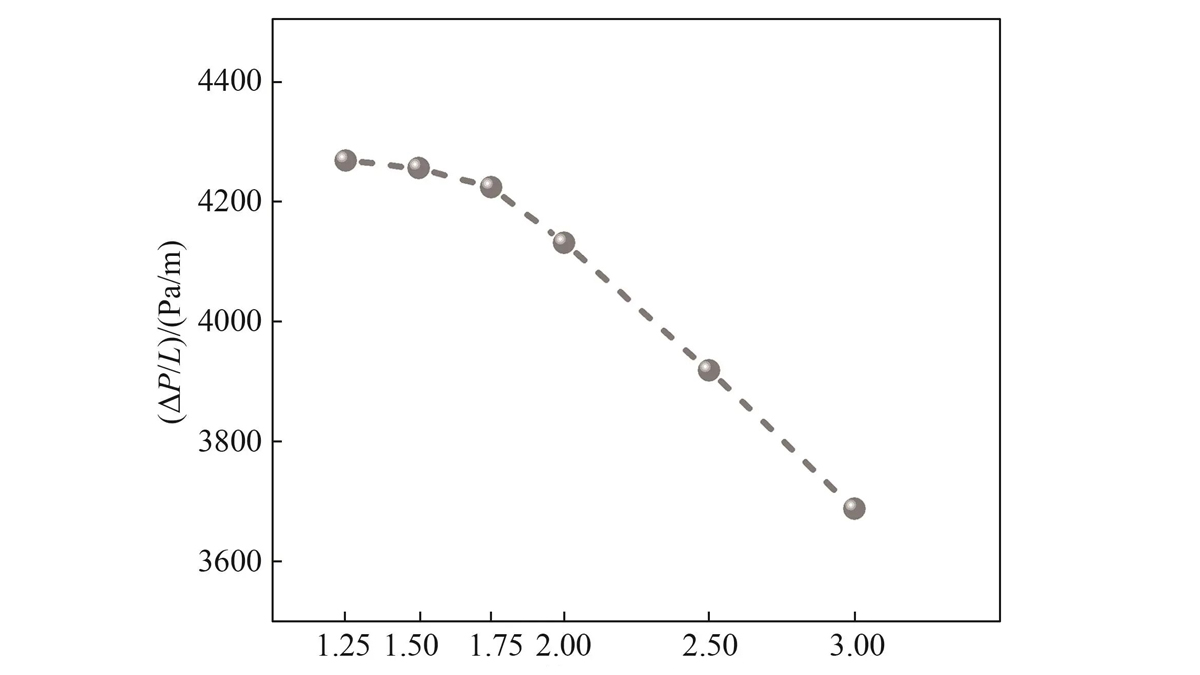
The Ergun relationship connects packed bed pressure drop with particle size, bed voidage, superficial gas velocity, gas density and viscosity. Cylindrical extrudates add another issue because their orientation and length distribution affect the equivalent particle diameter and the way the bed packs.
This is why a statement such as “3 mm extrudate has low pressure drop” is incomplete. The calculation also needs vessel diameter, loaded bed depth, operating pressure, temperature, flow and gas properties. Support screens, grading layers and distributors add resistance of their own.
The initial calculation is only the start. Broken strips and dust can fill open spaces after loading or during service. Liquid carryover, oil and heavy hydrocarbons may also foul a bed. Compare pressure loss at a similar flow, pressure and temperature. A raw differential pressure recorded during higher production does not prove that the adsorbent has plugged.
Static Capacity Is a Quality Check, Not a Bed Life Forecast
Static adsorption values confirm that an activated sample meets a defined equilibrium test. An industrial bed switches before every particle reaches equilibrium. Its usable capacity depends on inlet concentration, water loading, temperature, pressure, gas velocity, cycle time, mass transfer, regeneration and flow distribution.
Test conditions also prevent casual supplier comparisons. HONREL reports static water adsorption at 35°C and 75% relative humidity for 24 hours. HONREL states carbon dioxide values at 0°C and 25°C. A percentage measured at another temperature, partial pressure or activation procedure is not the same test, even when the heading looks similar.
Regeneration can reduce the next cycle’s working capacity when the cold end of the bed never reaches the required temperature, purge flow is insufficient or cooling ends too early. Moisture, oil and heavy contaminants can add a separate loss that more heat will not always reverse. The 13X molecular sieve regeneration guide helps separate process faults from permanent adsorbent damage.
What an Extruded 13X Molecular Sieve Supplier Should Put on the COA
A generic data sheet describes the grade. The certificate of analysis should identify the supplied batch and report the acceptance values agreed in the purchase specification.
For a fixed bed order, the useful fields include product grade, batch number, extrudate diameter, rated length compliance, static water adsorption, static carbon dioxide adsorption with test temperature, loose bulk density, crush strength, strength variation, attrition and packaged moisture. The test method should be named where the purchasing contract requires it.
HG/T 2690 2012 is a current Chinese chemical industry standard for 13X molecular sieve. It covers spherical products, strip products and raw powder, together with requirements for testing, inspection, marking, packaging, storage and transport. International projects may add ASTM methods, a licensor specification or the plant’s own acceptance procedure. The agreed method takes priority because numbers from unlike methods may look comparable when they are not.
HONREL’s general 13X molecular sieve supplier page covers available forms, applications, documentation and bulk supply. For an extrudate order, the RFQ and purchase specification should narrow those general options to one size, grade and test basis.
Loading Practice Protects the Specification You Bought
13X starts taking up moisture as soon as its package is opened. Store sealed containers in a dry area and open them only when the vessel and loading equipment are ready. The adsorber, support screen, hopper and loading sock should be clean and dry.
Keep the discharge point close to the rising bed surface. A long free fall can break strips, separate short pieces from long ones and create dust before startup. Spread the material evenly, record package and batch numbers, confirm loaded mass and final bed height, then close the vessel promptly.
Check the loaded mass against usable bed volume and the agreed loading density. Copying the tonnage from the previous charge can produce a shortage or overfill when the particle form, size distribution or packing method changes.
Send Operating Data Before Requesting a Replacement Charge
HONREL can review a new project or compare a replacement requirement with the current material. A useful RFQ includes the existing TDS and latest COA, adsorber dimensions, usable bed depth, current particle size, previous loading mass, gas composition, flow, pressure, temperature, inlet contaminant level, required outlet level, cycle time and regeneration conditions.
Add the start of run and current pressure drop when the bed is being replaced because of hydraulic problems. If breakthrough is the concern, include the analyser trend and any recent water or hydrocarbon upset. These details help separate a material selection problem from a vessel, pretreatment or regeneration problem.
Contact HONREL with the operating data, required quantity, destination and delivery schedule. The review can then focus on a compatible extrudate diameter, batch specification and loading quantity instead of treating every 13X grade as interchangeable.